Ternate Beach Resort Cavite sits around two hours from Manila, and that distance is the entire pitch. It does not sell paradise. It sells proximity. For millions of people who want the sea without committing to a longer provincial journey, accessibility can outweigh darker sand, ageing facilities and crowded weekends. The resort survives not because it is Cavite’s most beautiful beach, but because it is close enough to remain convenient.
That convenience comes with compromises beyond the entrance fee. Cottage charges, transport costs, food markups, limited sanitation and unpredictable crowd levels can reshape what initially appears to be a cheap beach trip. This guide breaks down what Ternate Beach Resort actually costs, what it looks like beyond promotional photos and what kind of visitor it rewards, so you can decide whether its proximity is worth the trade-off before committing an entire day.Note: This article was revised to improve accuracy, update practical information and provide a clearer assessment of current resort conditions. Prices, transport fares and policies may change without notice, so confirm the latest details directly with the resort before travelling.
Table of Contents
Ternate Beach Resort at a Glance
Location
Ternate, Cavite
Barangay Bucana, near Marine Base
Travel Time
2–2.5 Hours
From Metro Manila, depending on traffic
Main Appeal
Accessibility
A practical beach escape close to Manila
Main Compromise
Basic Conditions
Limited facilities, sanitation and maintenance
Best suited to prepared groups who value convenience over polished resort conditions.
How to Reach Ternate Beach Resort
Ternate Beach Resort Cavite sits in Barangay Bucana, Ternate, roughly two to two and a half hours from Metro Manila, depending on traffic and departure time. On paper, that is a short trip. In practice, it can feel considerably longer, and this is where many visitors’ opinion of the resort begins to form well before they reach the water.
Standing in the heat for an already crowded bus, negotiating a tricycle fare, or carrying supplies through a busy terminal are the kinds of details that rarely appear in a review, yet they shape one. A resort two hours away on the map can feel closer to four hours away in practice, and that gap between the printed distance and the felt distance is often the first thing Ternate Beach Resort teaches a visitor about itself.
One detail that confuses first-time visitors is the reference to “Marine Base,” which refers to Naval Station San Miguel rather than a tourist attraction. St. Anthony Hospital tends to be the more reliable landmark when navigating the area for the first time.
Private Vehicle Route
- Enter via CAVITEX from Metro Manila
- Continue through Kawit, Rosario, Tanza, Naic and Maragondon
- Turn towards Barangay Bucana upon reaching Ternate
- Typical driving time is under two hours outside heavy traffic
Public Transportation
- Board a bus marked “Naic/Ternate” from PITX, Pasay or SM Bacoor
- Approximate fare is ₱80 to ₱120
- Alight near St. Anthony Hospital beside Ternate public market
- Take a tricycle to the resort for approximately ₱50 to ₱80
Approximate Entrance Fees
- Day tour: approximately ₱100 to ₱150
- Overnight rates depend on the accommodation selected
- Cottage, parking and tent charges are separate
The entrance fee is only the starting point. Transport, cottage hire, food and overnight upgrades can increase the total cost considerably. Budget for the complete visit, not only the amount charged at the gate.
Resort Entry, Layout & First Impressions
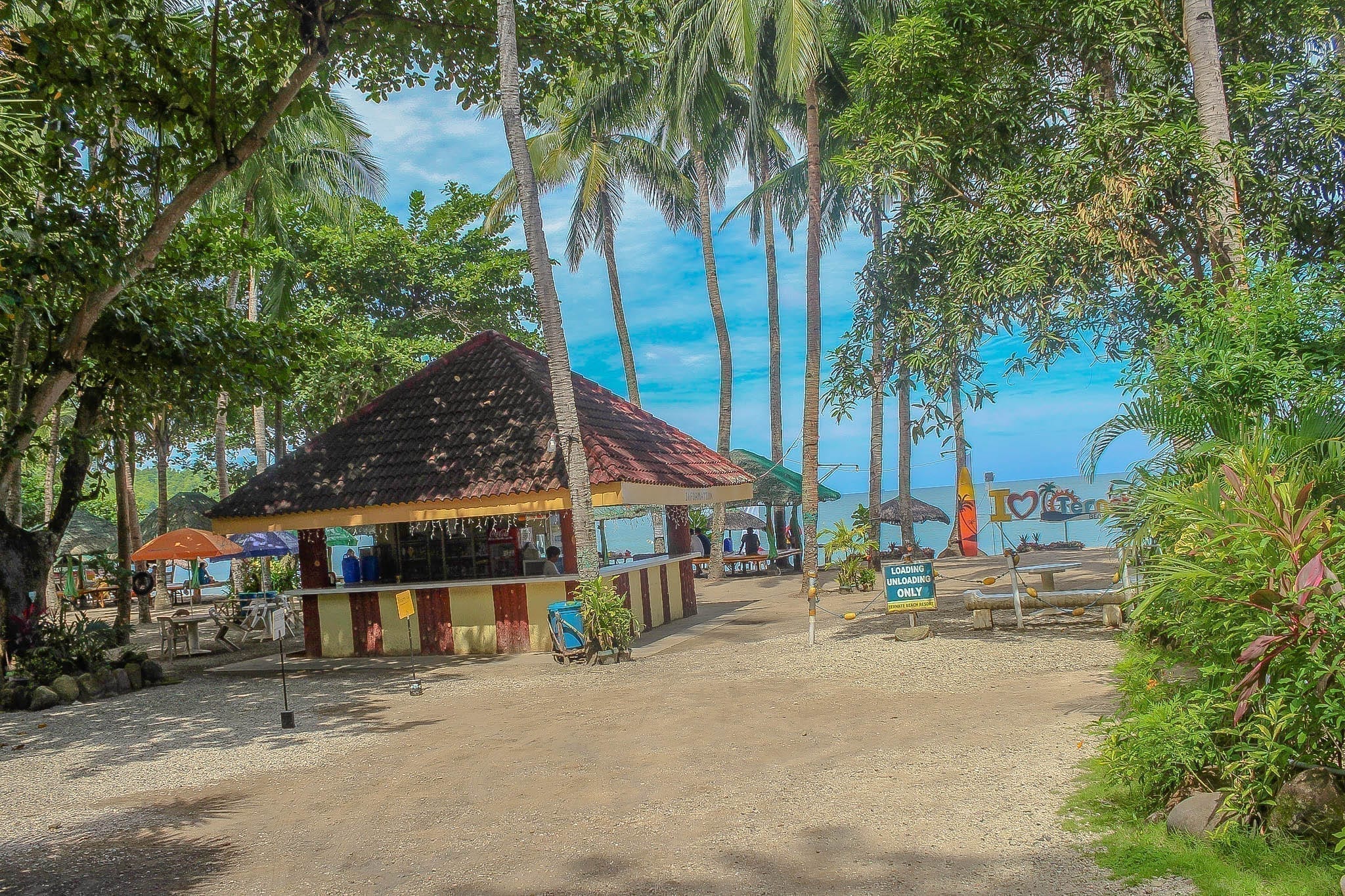
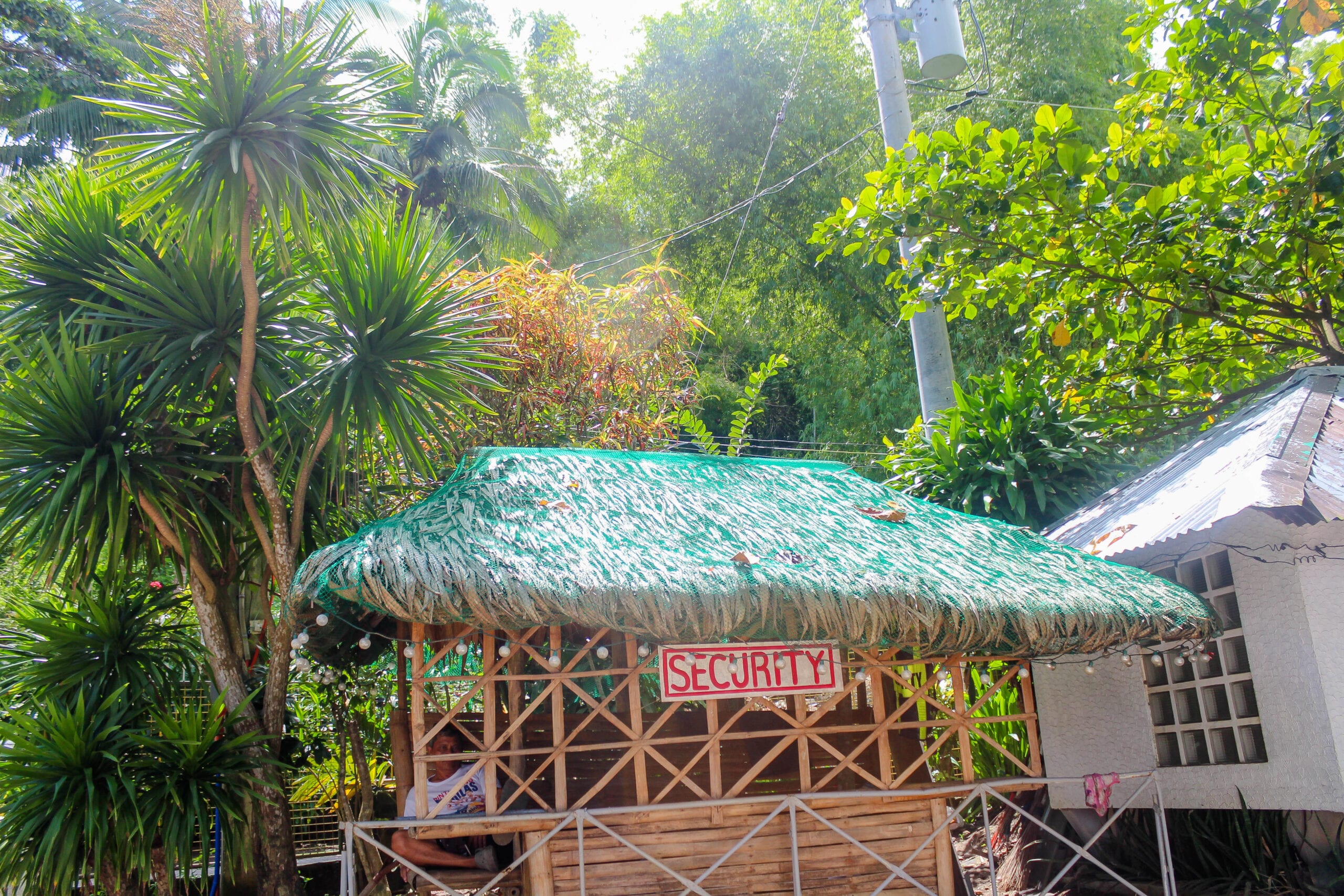
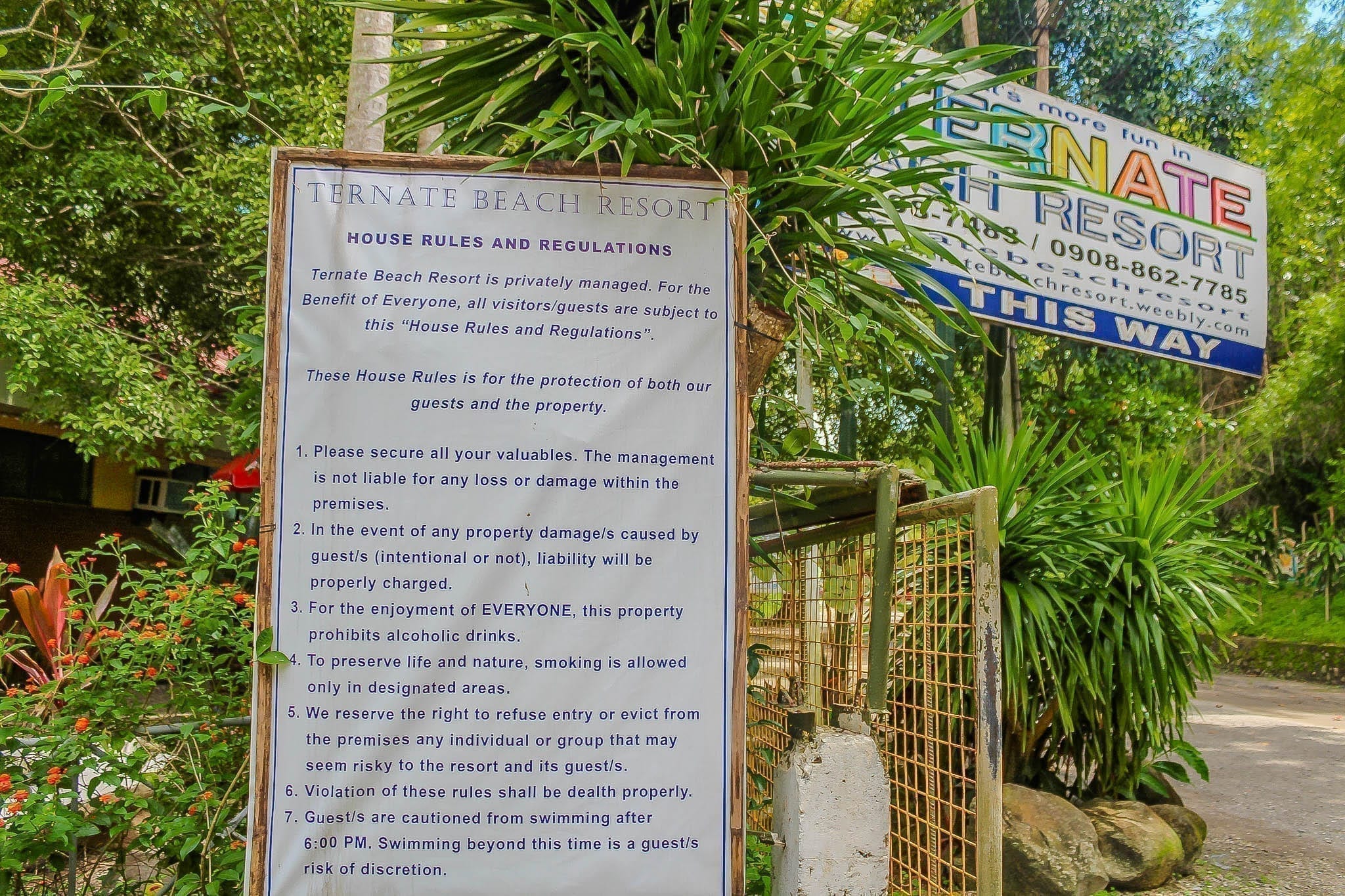
The entrance to Ternate Beach Resort is dominated by an oversized “Rules and Regulations” board, planted before you’ve seen a single wave. A small nipa hut serves as the information counter. Security watches from a separate cabin, offering little direction. There is no welcome, no orientation, no one walking you through what to expect. You watch what other people are doing and copy it. That is the entire onboarding process, and it tells you something true about how the place is actually run.
Read that rule board for what it is rather than what it says. Dense, defensive signage at the gate of a Philippine beach resort is rarely proactive. It’s scar tissue. Years of unpaid cottages, 2 a.m. karaoke, and unmanaged groups eventually get written down and mounted at eye level. The board isn’t hospitality. It’s an institutional memory of every guest who came before you and made the place harder to run.
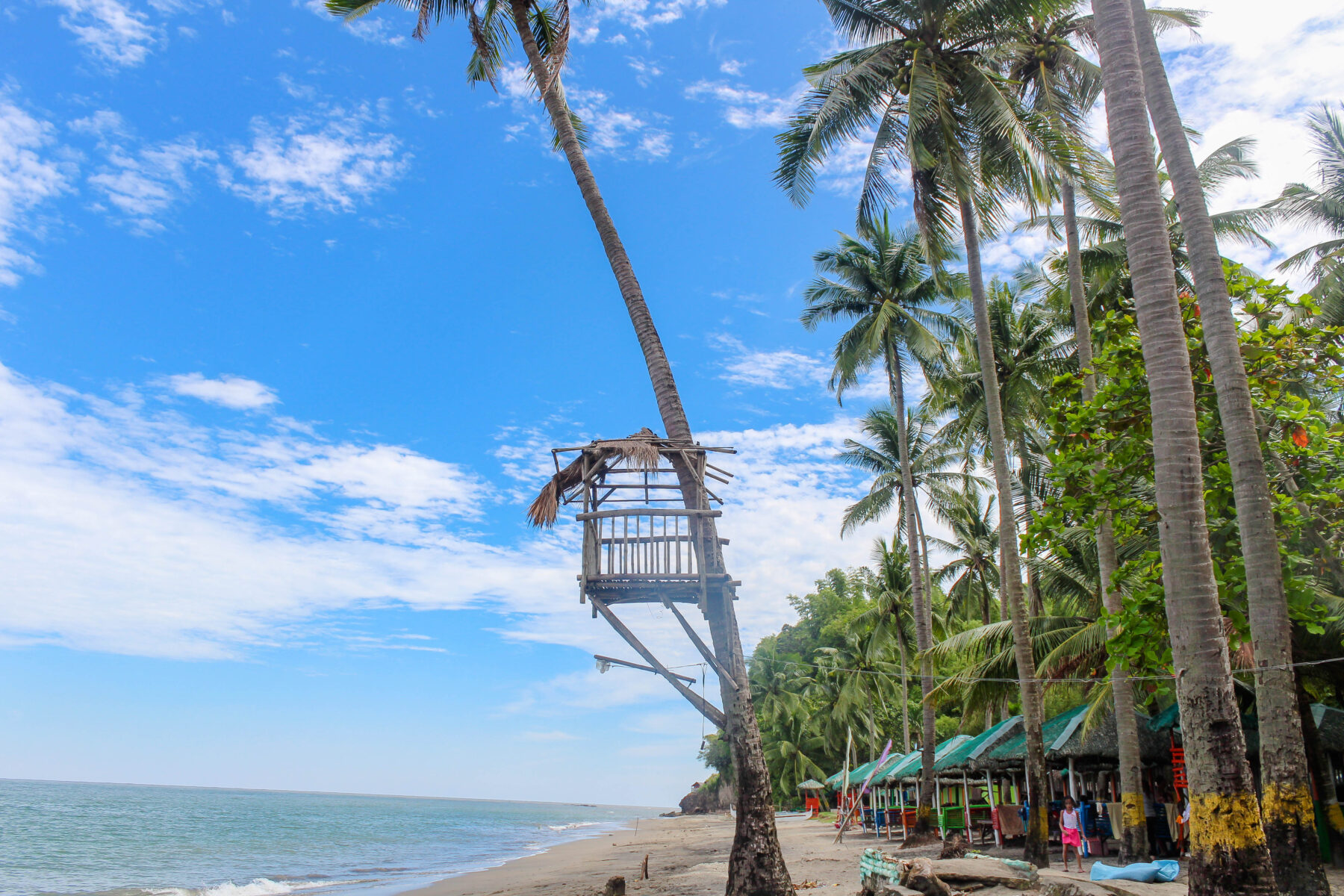
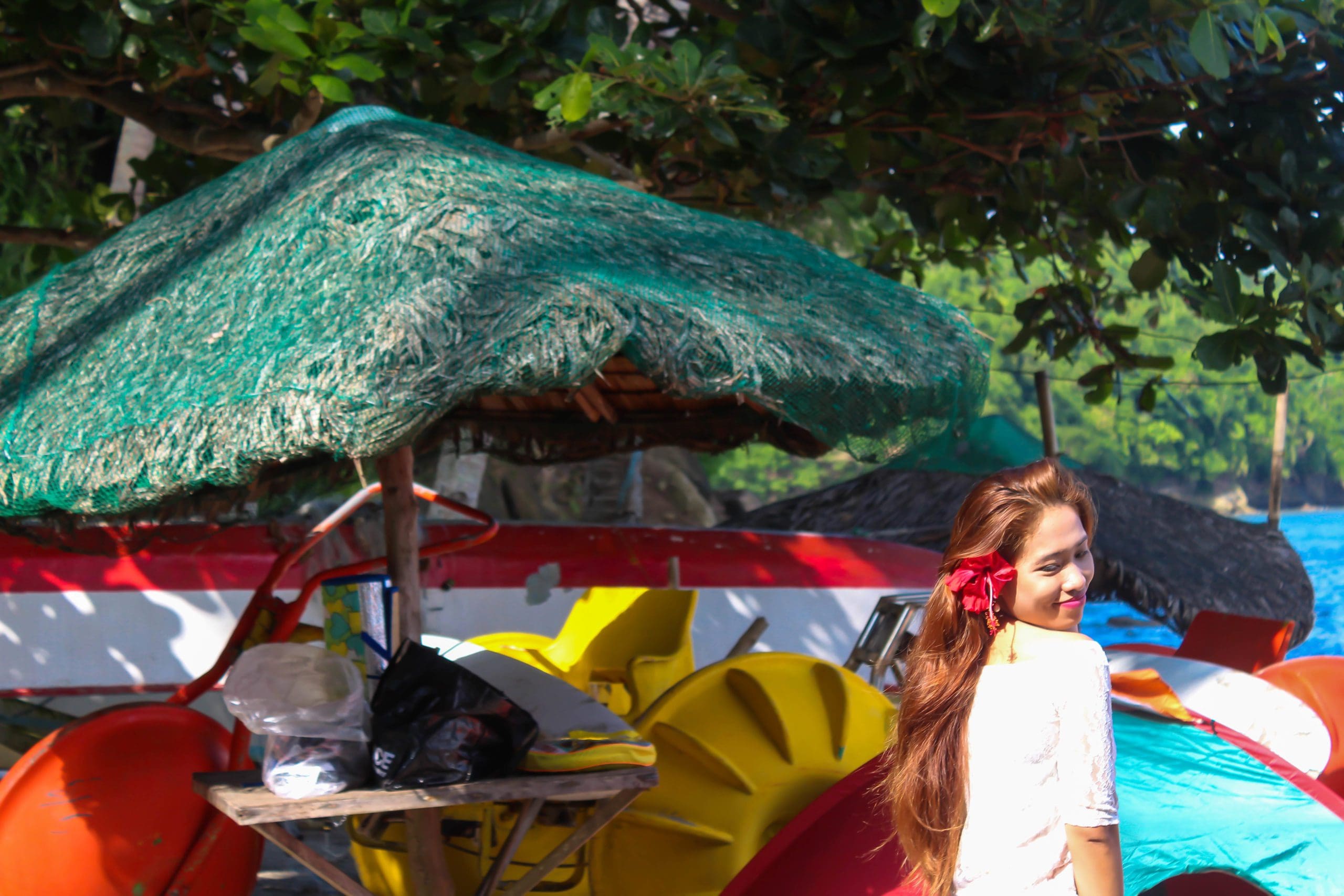
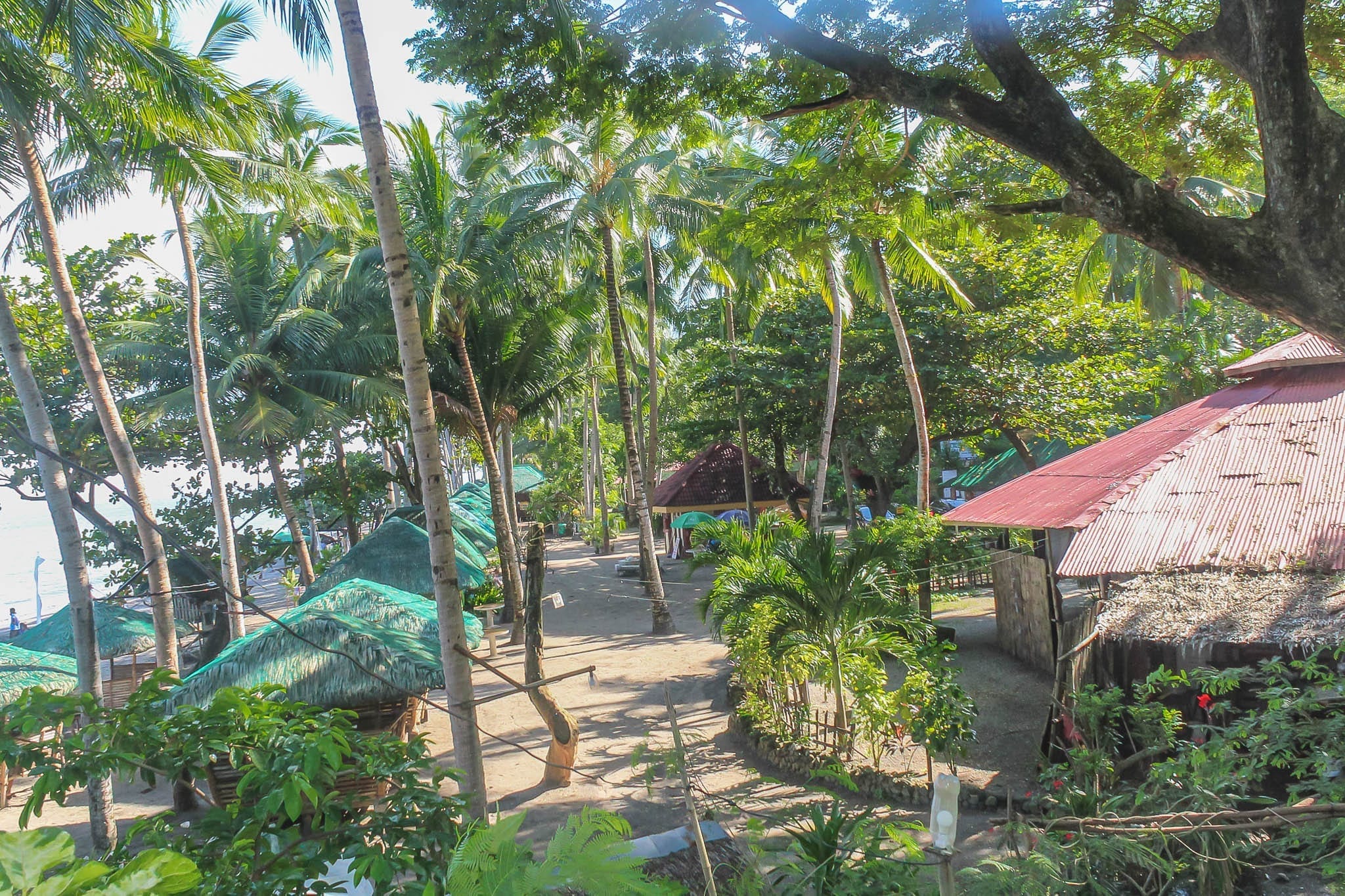
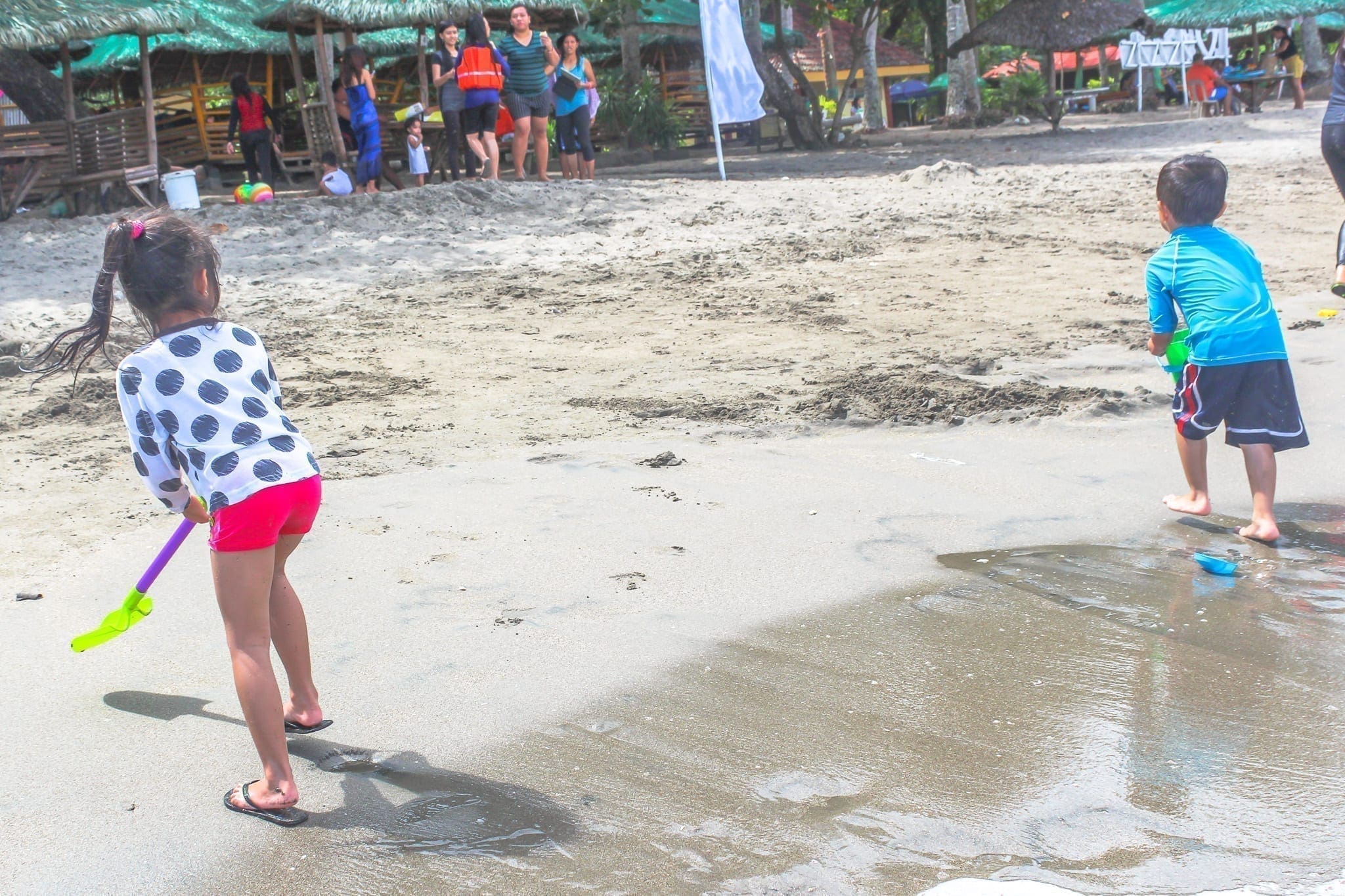
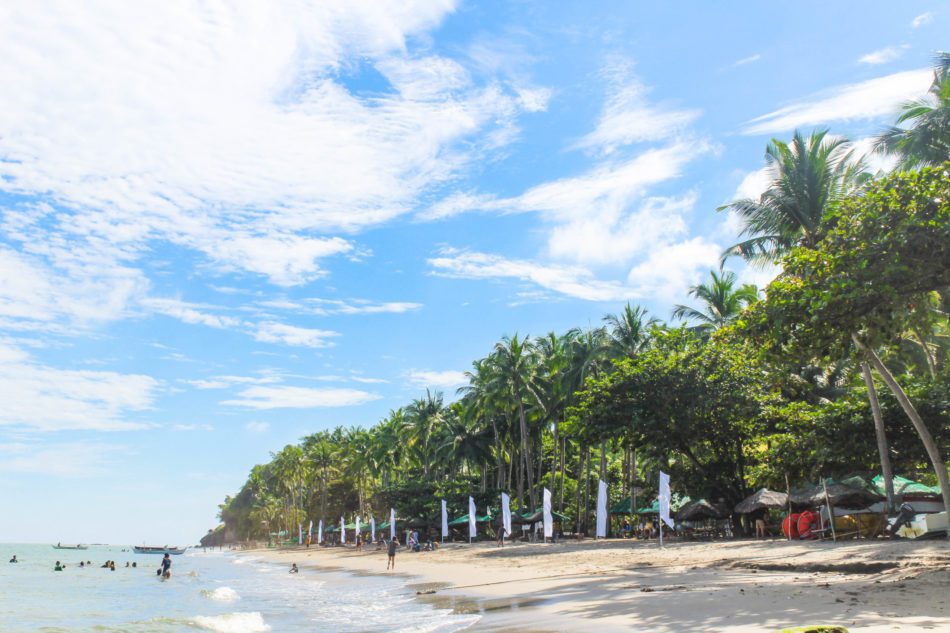
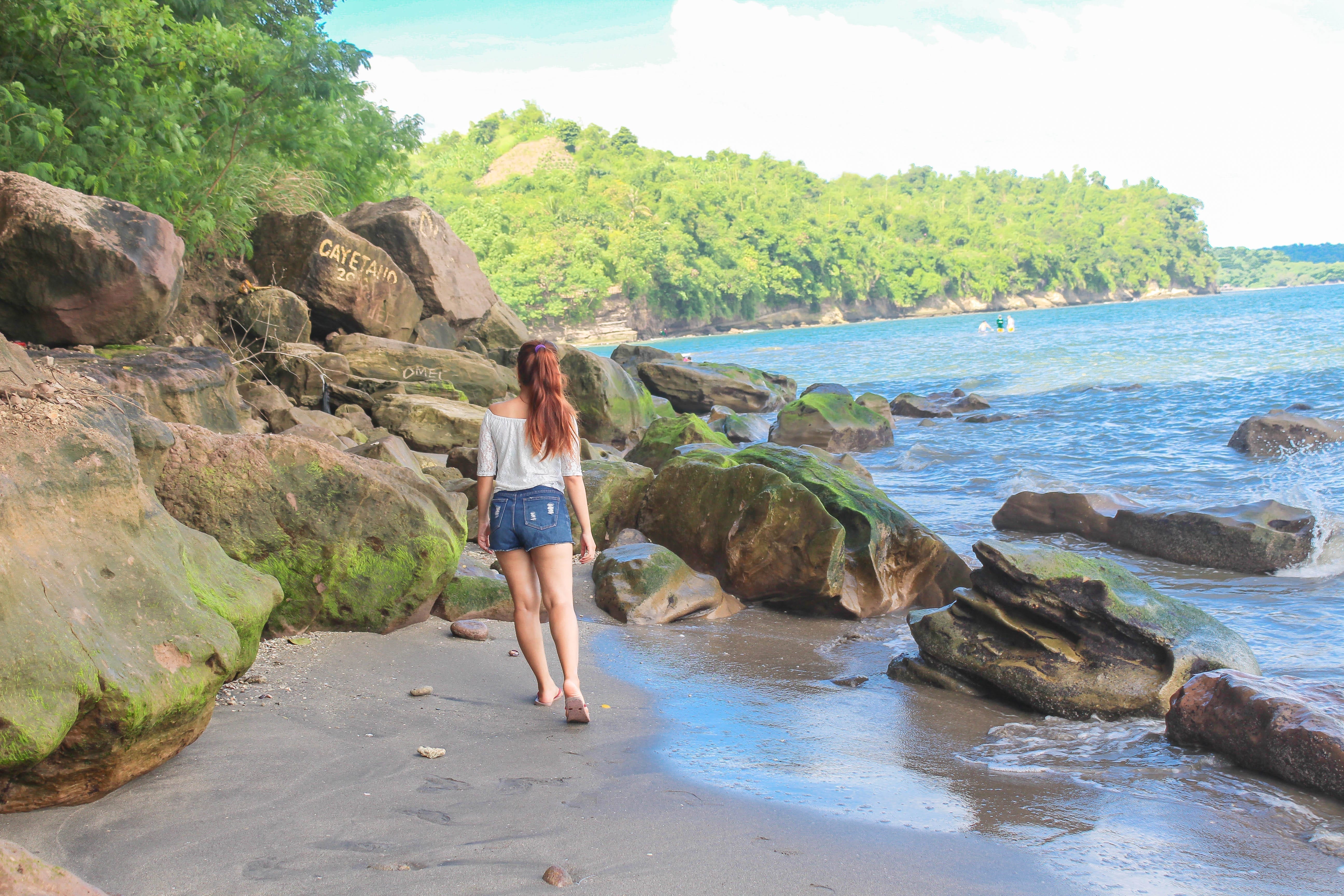
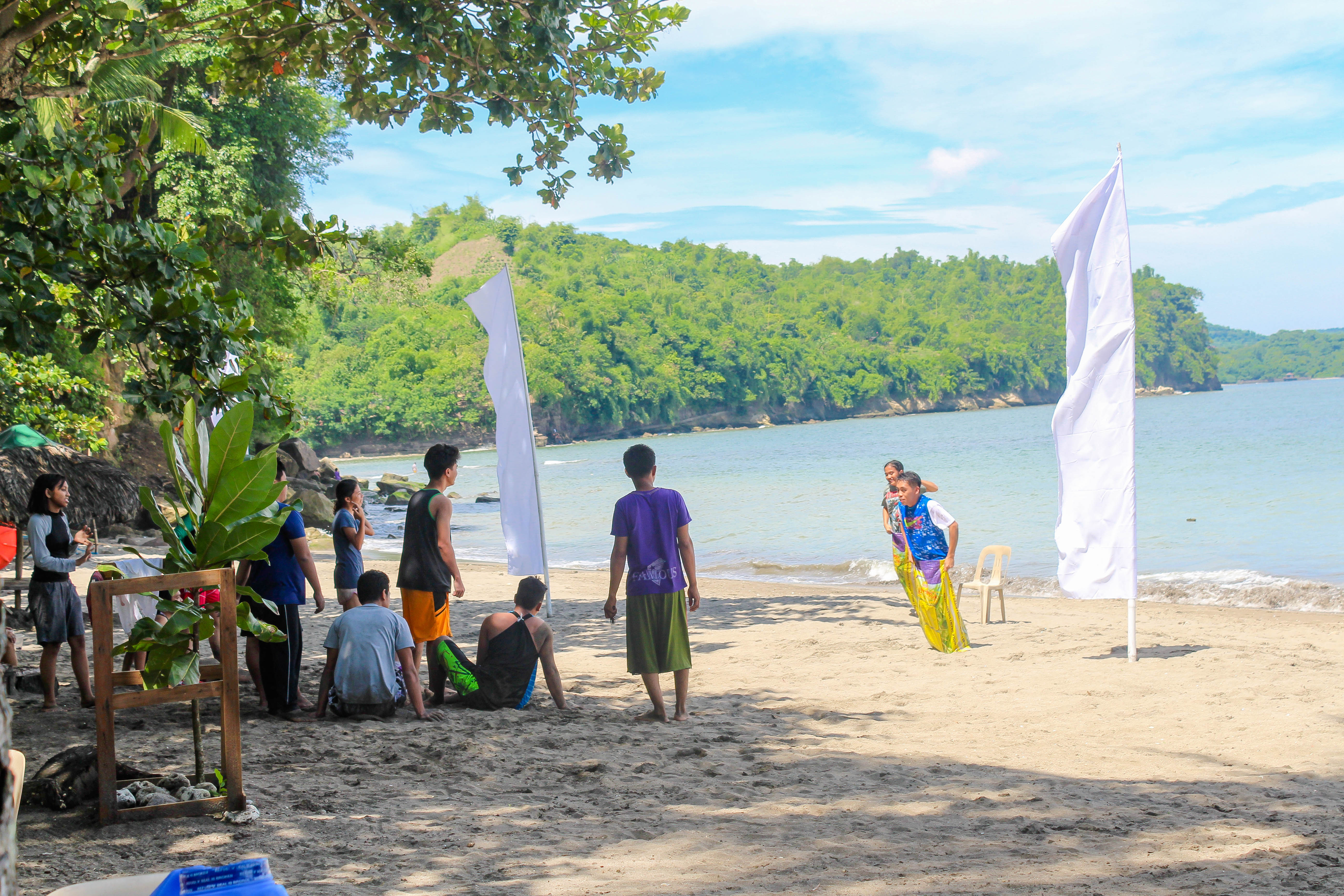
The beach itself lands rougher in person than in the photos. Sand runs dark grey to near black, which reads as dirtier than it necessarily is, even where the water is clean. Clarity improves toward the rocky northern end, though litter is visible in stretches throughout. This is not a resort built for postcard shots, and it stops pretending to be one the moment you walk past the gate.
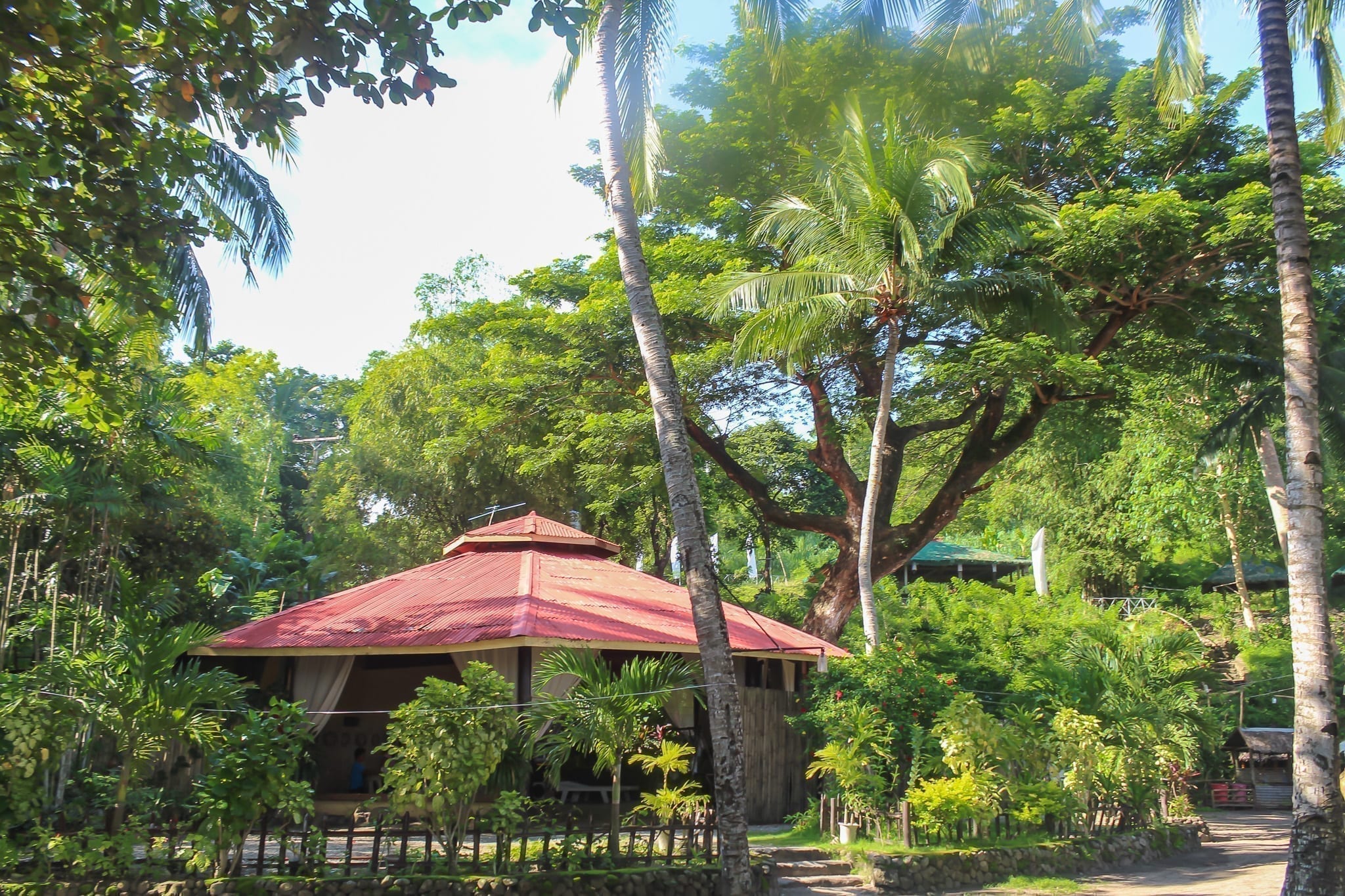
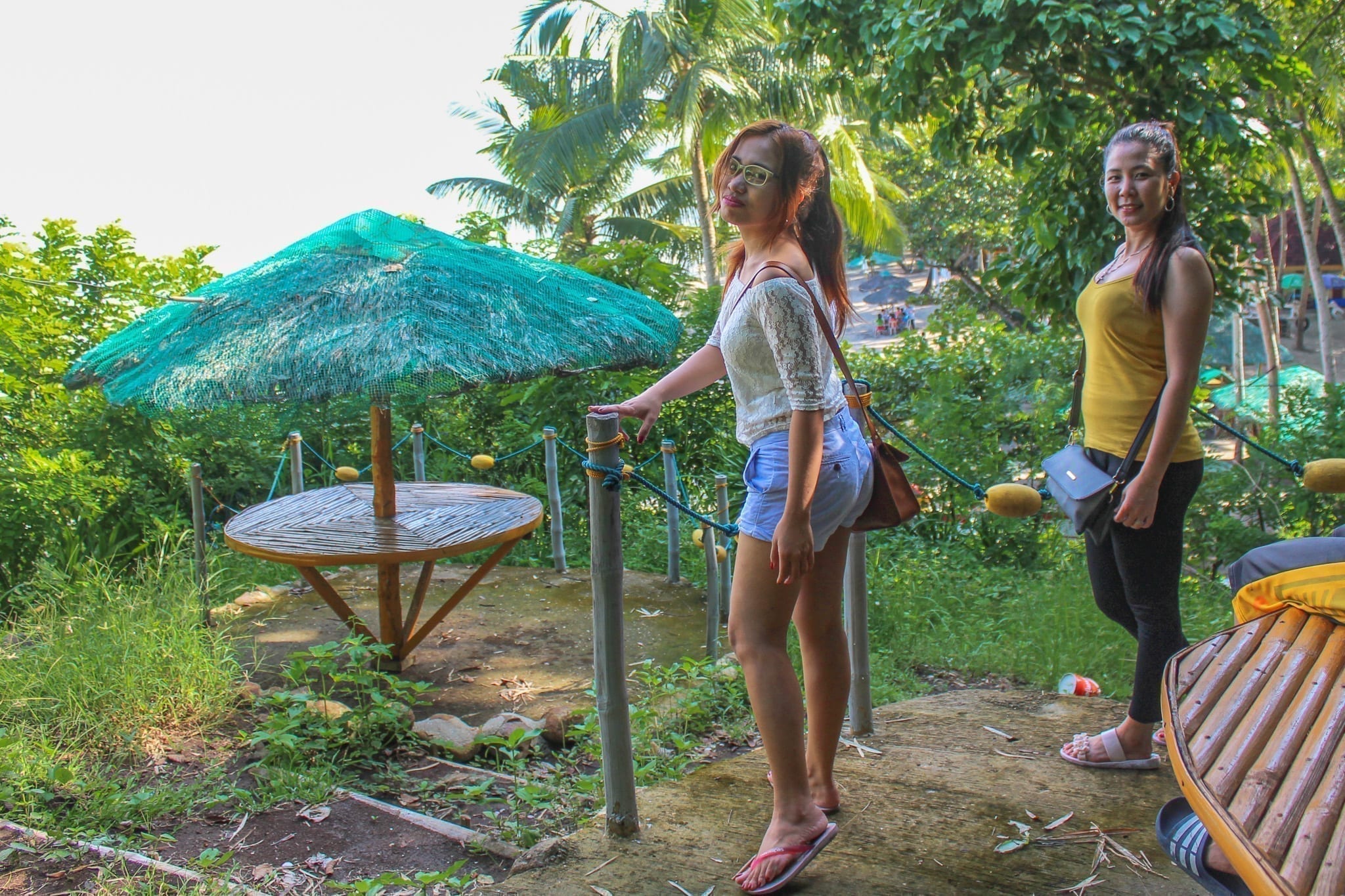
The upper hillside cottages offer better views and real distance from the noise below, at the cost of a steep staircase. Younger visitors take the stairs without thinking. Older guests, or anyone carrying gear after a long commute, will feel every step of it.

Accommodation Options & Current Rates at Ternate Beach Resort
Day-use cottages run roughly ₱500 to ₱1,200, depending on size, placement, and how busy the weekend is. Overnight cottages and air-conditioned rooms start around ₱2,000 and climb past ₱4,000 for larger groups in peak season. Bringing your own tent doesn’t exempt you from a separate usage fee.
The Real Cost of “Cheap”: Per-Person Day Spend
Entrance is the number in the marketing. It is not the number you pay.
Estimates are per person and based on approximate entrance, transport and shared cottage costs. Food, ice and convenience purchases can increase the final amount.

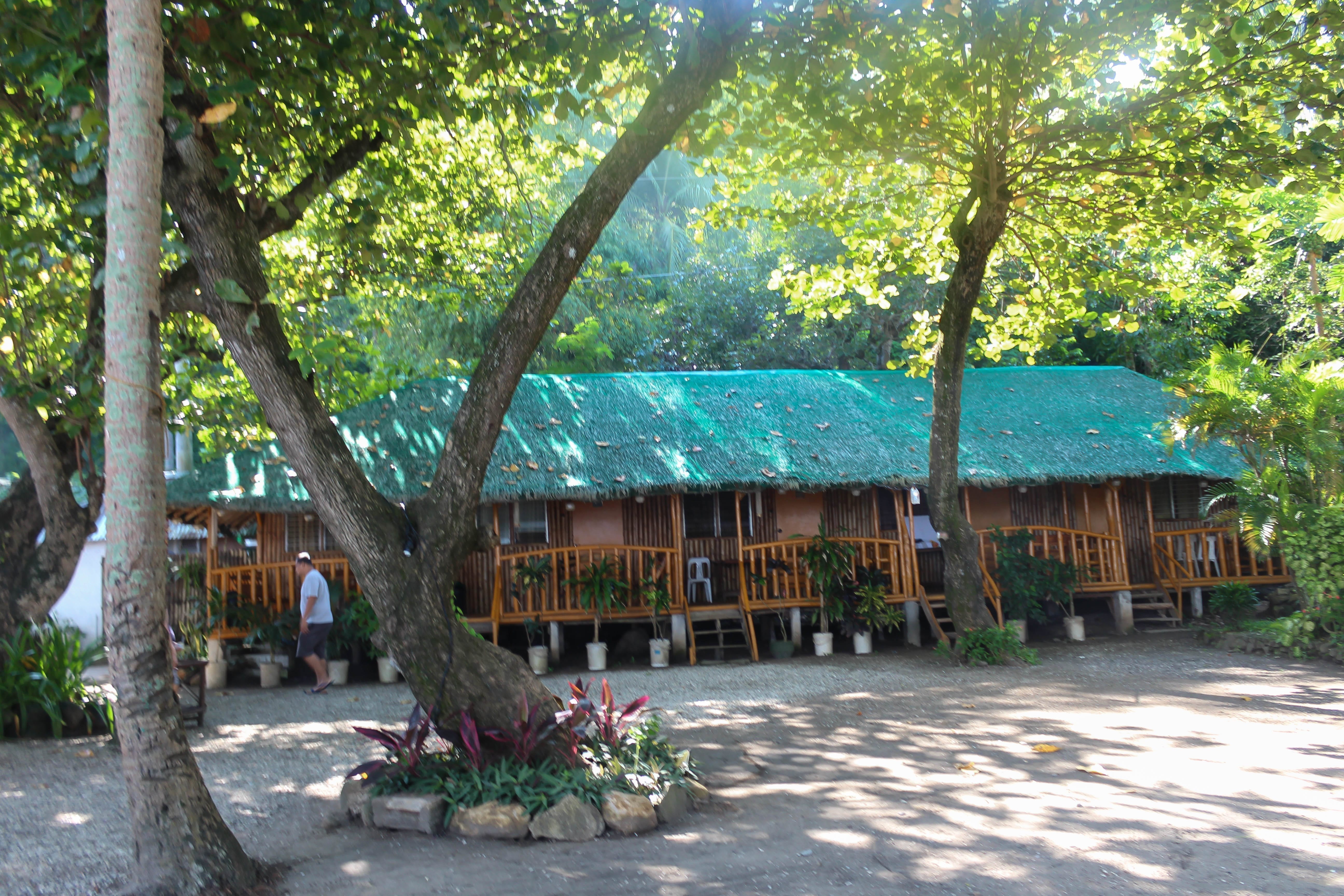
Location changes the experience more than the price tag suggests. Beachfront cottages sit in the loudest, busiest strip of the property: constant foot traffic, videoke, children moving through from sunrise. The hillside cottages cost more effort to reach and buy you real quiet in return, which is usually the better trade if your group can manage the stairs.
What’s worth noticing is the pattern underneath the pricing, not the prices themselves. Every surface here gets monetized regardless of what condition it’s in. Tent fees, cottage upgrades, extra seating, small add-on charges: they compound fast, and none of it correlates with the state of the infrastructure you’re actually paying for. This isn’t a resort pricing for comfort. It’s a resort pricing for maximum occupancy per square meter, and once you see the logic, the charges stop feeling random and start feeling designed.
Facilities, Sanitation & Practical Realities
Power outlets are scarce enough that a power bank stops being a convenience and becomes a survival tool the moment three families start charging phones at once. Comfort rooms show the same unevenness as everything else on the property: long queues at peak hours, showers that are functional in theory, drainage that lets grey water drift closer to the shoreline than anyone would choose.
Trash management breaks down the same way, on the same schedule, every weekend. Bins fill early, overflow follows, and scattered waste becomes part of the scenery in the busier sections. Ternate Beach Resort is functional. It is not maintained. Most first-time visitors only register the difference between those two words after they’ve already arrived, which is exactly why this guide exists.
Comfort Room (CR) Reality Check
“Comfort room” or “CR” is the Filipino term for restroom.
Some units use squat toilets while others are western style.
Toilet paper, soap and steady water pressure should not be assumed.
Bringing your own toiletries is advisable.
Bring: tissue, soap, sanitiser and footwear suitable for wet communal areas.
Staff behavior tells its own story. Some employees are helpful and practical. Others go visibly cold the moment a complaint about cleanliness or wait times surfaces. This isn’t random rudeness. In Philippine hospitality culture, direct criticism is often absorbed rather than resolved, particularly in crowded, budget-tier resorts where staff are already stretched thin. What looks like indifference is usually self-protection: it is easier to go quiet than to argue with a guest you can’t actually satisfy. The guest walks away feeling ignored. The staff member walks away having avoided a fight they were never equipped to win. Neither side is wrong. The system just isn’t built to resolve friction, only to absorb it.
Visitors arriving with realistic expectations manage fine. Anyone expecting hotel-grade maintenance will feel the gap immediately, and no amount of preparation closes it.
Food, On-Site Pricing & Economic Reality
Food inside Ternate Beach Resort runs on the classic sari-sari markup model: small quantities, large margins. A 3-in-1 coffee sachet costs around ₱20 on-site, against ₱5 to ₱8 in a Manila store. The number looks inflated until you realize what you’re actually paying for: convenience inside a semi-isolated property with no real competition nearby. That isn’t a scam. It’s a monopoly working exactly as monopolies do.
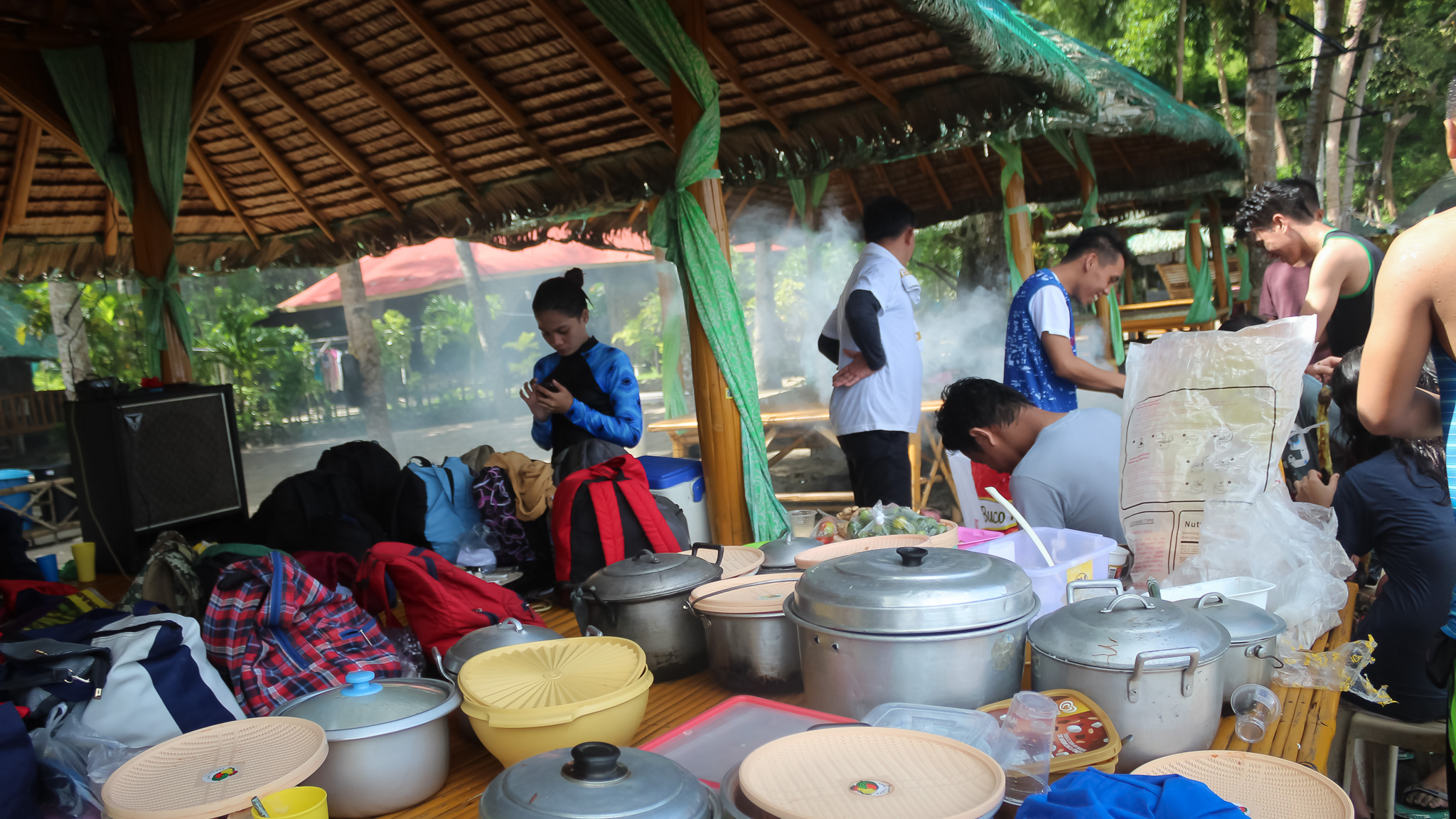
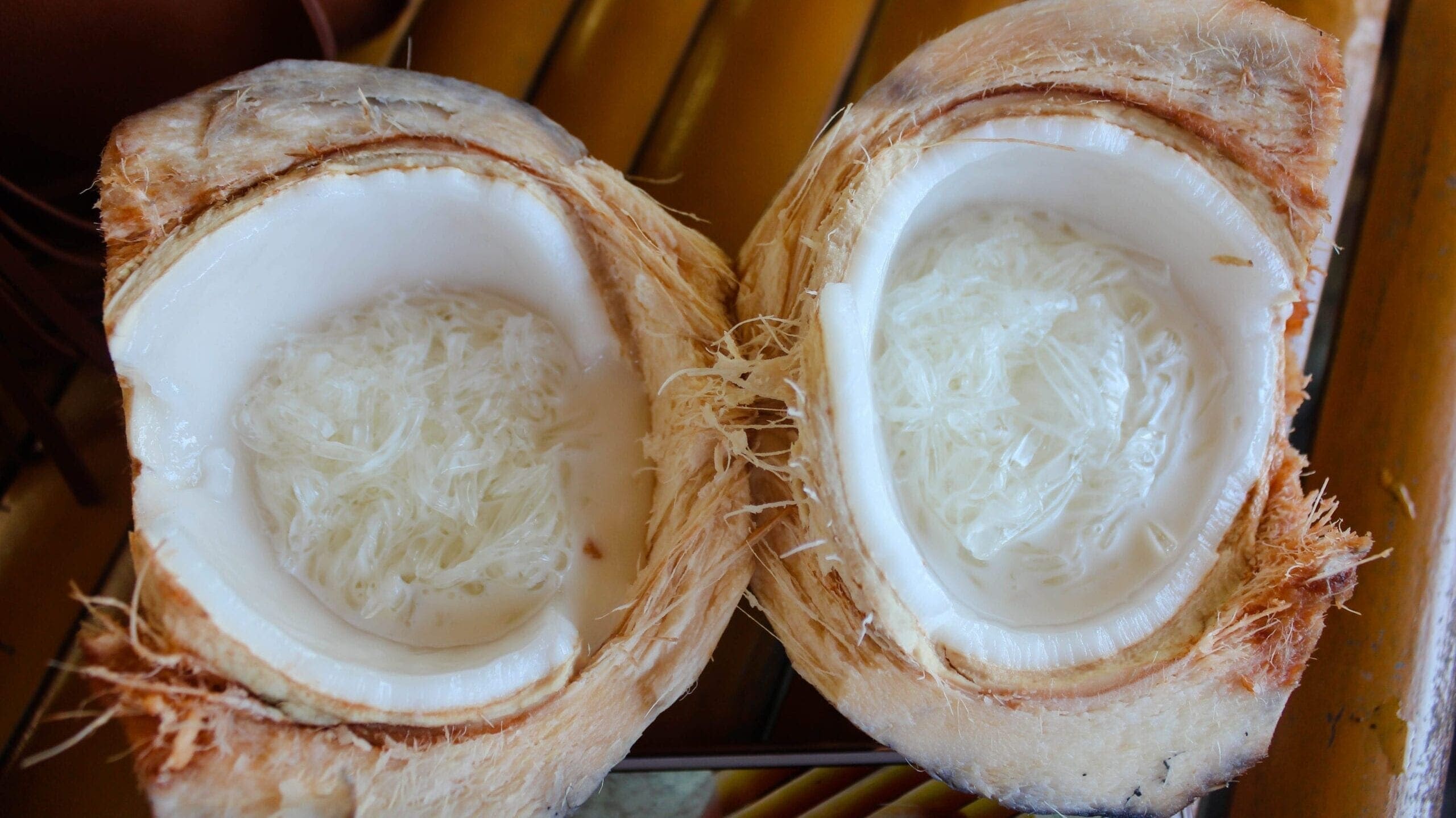
Most experienced visitors route around this entirely, arriving with their own food, water, charcoal, utensils, seasoning, and ice. Grilling is common throughout the resort, though it usually requires checking in with staff first depending on crowd levels and cottage placement.
The pricing itself isn’t the interesting part. The behavior around it is. A large share of first-time visitors complain loudly about resort markups while showing up with nothing packed, as if the inconvenience were unforeseeable. It wasn’t. The visitors who understand how Philippine resort economics actually work show up with coolers, rice containers, cooked meals, and thermoses instead of buying sachets one at a time. In practice, preparation moves the needle on your total spend far more than any listed price does.

What Most Prepared Visitors Bring
- Bottled drinking water
- Cooked food or marinated meat
- Charcoal and grilling supplies
- Cups, utensils and paper plates
- Ice and coolers
- Coffee in a thermos instead of individual sachets
Water reminder: Pumps may be available around the property, but do not assume the water is consistently safe to drink. Bottled water remains the safer choice, particularly for children and overnight guests.
Activities, Amenities & Group Atmosphere
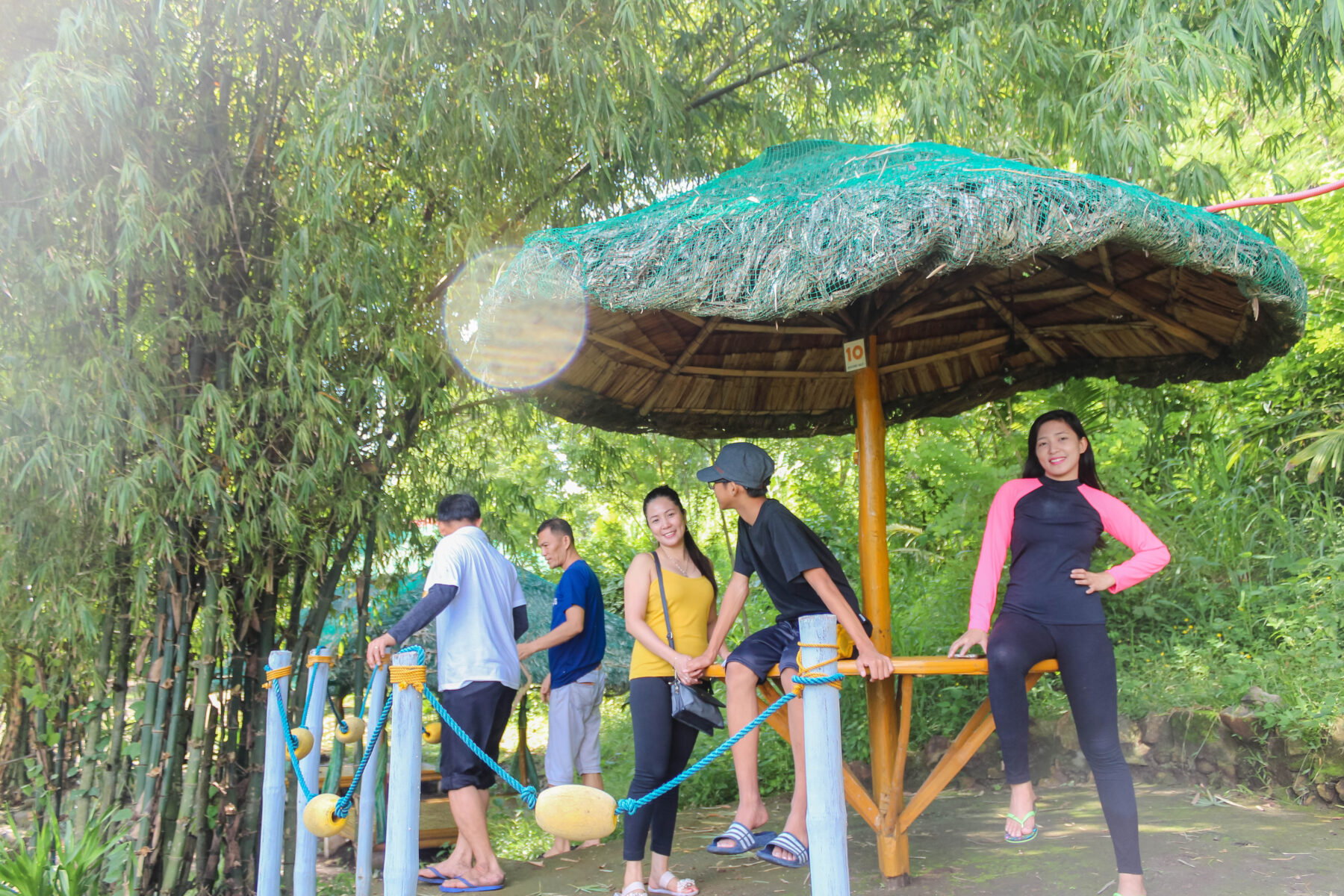
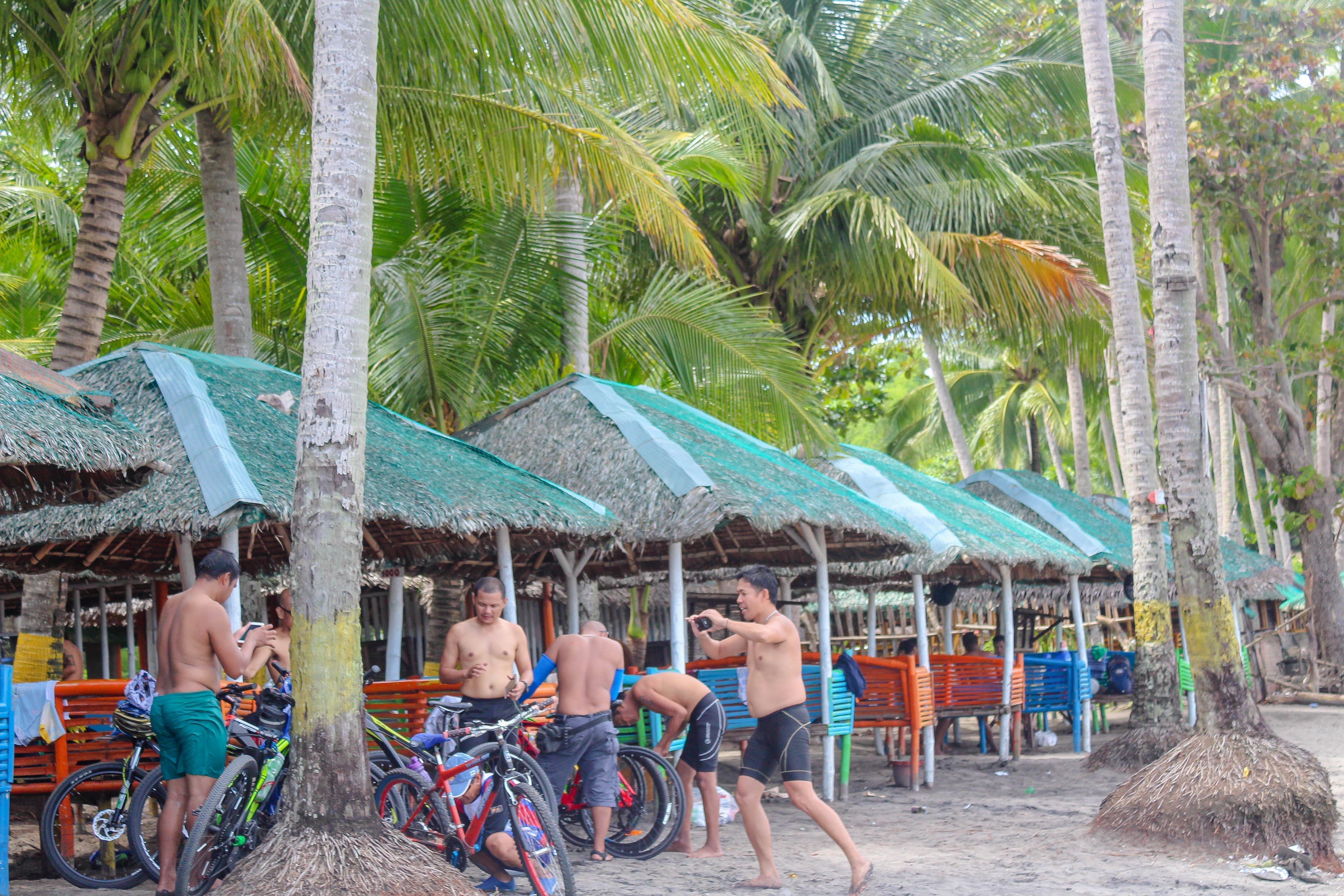
Ternate Beach Resort functions as a communal weekend outing space, not a curated coastal destination. People come here for affordable group gatherings, overnight stays, grilling, and simple beach time, not a resort experience.
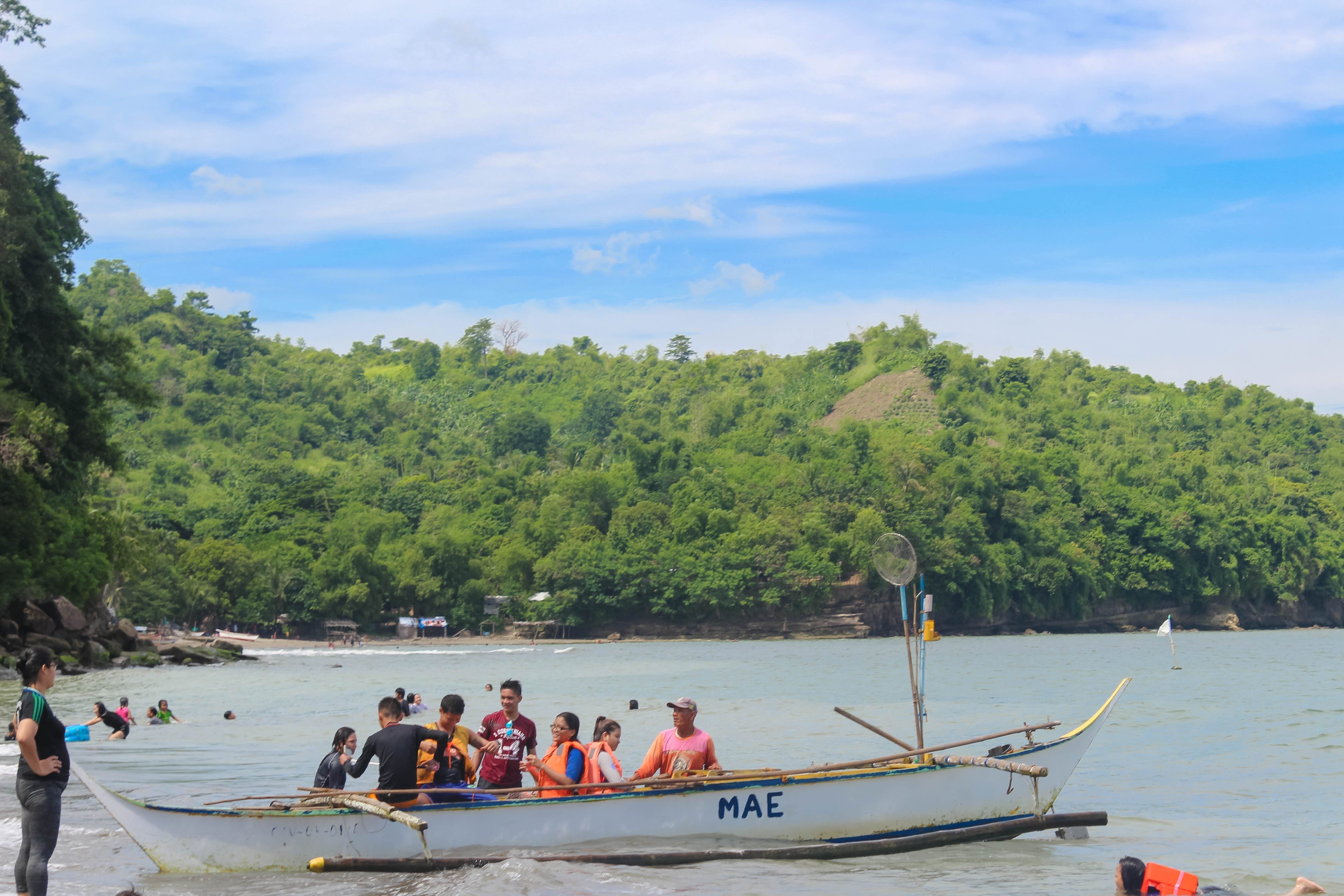
Water clarity shifts with season, crowd, and location along the shoreline. Conditions improve toward the rocky northern sections, while warmer months occasionally bring jellyfish closer to the swimming areas. The bay behaves more like a sheltered inlet than an open coastline, which explains the darker, less transparent water that surprises most first-time visitors.

Common Activities Around the Resort
Swimming, beach volleyball and cottage gatherings
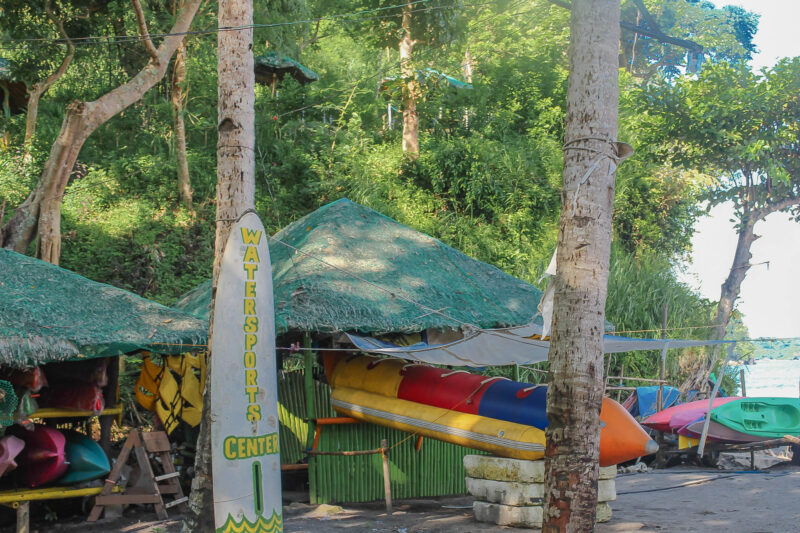
Banana boat rides, kayaks and small watercraft rentals
Bonfires during overnight stays
Short hillside walks with coastal views
Activity availability may change with weather, staffing and crowd levels.
This is not a premium resort built around polished facilities. It’s a practical, budget-oriented coastal stop for people who value Manila proximity over beach quality, and it makes no secret of that trade-off. Lifeguard presence is limited, organized water sports are inconsistent, and shaded space outside rented cottages thins out fast once crowds build. Weekdays outside peak summer cut the crowd noticeably, but a quieter day doesn’t mean a better-maintained one. The infrastructure problems don’t take weekends off.
Is Ternate Beach Resort Cavite Worth Visiting?
Ternate Beach Resort works for large groups who value convenience and proximity over polished facilities or clean water. Anyone expecting quiet coastal luxury will be disappointed within the first hour. Anyone arriving prepared for a crowded, imperfect local beach will tolerate the experience far better, and will probably come back.
Ternate doesn’t survive on beauty. It survives on proximity, and proximity forgives almost everything else. A resort two hours from twelve million people doesn’t need clean sand or working showers to stay full on weekends. It needs a bus route. That’s the entire business model, and once you see it, the grey water and the overflowing bins stop looking like neglect and start looking like a rational bet: why fix what location already sells for you. The resort isn’t failing to be Batangas. It was never trying to be.
Who Ternate Beach Resort Rewards
Visitors who arrive with food and supplies already packed
People carrying charged power banks and essential toiletries
Groups with expectations adjusted to basic resort conditions
Visitors with a flexible, group-oriented mindset
Visitors expecting resort-level service from a low-cost communal beach often spend more time frustrated than enjoying the trip.
Travelling further south towards Nasugbu or Calatagan in Batangas generally offers clearer water and more consistent upkeep, at the cost of additional travel time, fuel and planning. For readers comparing options further afield, our Palawan travel guide covers a very different tier of Philippine beach experience. Ternate Beach Resort sits deliberately between convenience and compromise, and that middle ground appears to be exactly what keeps its car park full most weekends.
Practical Checklist Before You Go
Power bank and fully charged devices
Bottled water and prepared food
Cash for transport, cottages and small purchases
Toiletries, tissue and basic hygiene supplies
Insect repellent and a basic first aid kit
Comfortable footwear for stairs and dark sand
Realistic expectations about maintenance and crowds
Confirmed entrance, cottage and overnight prices
Planning another Philippine trip? Explore our broader Philippines travel guides .