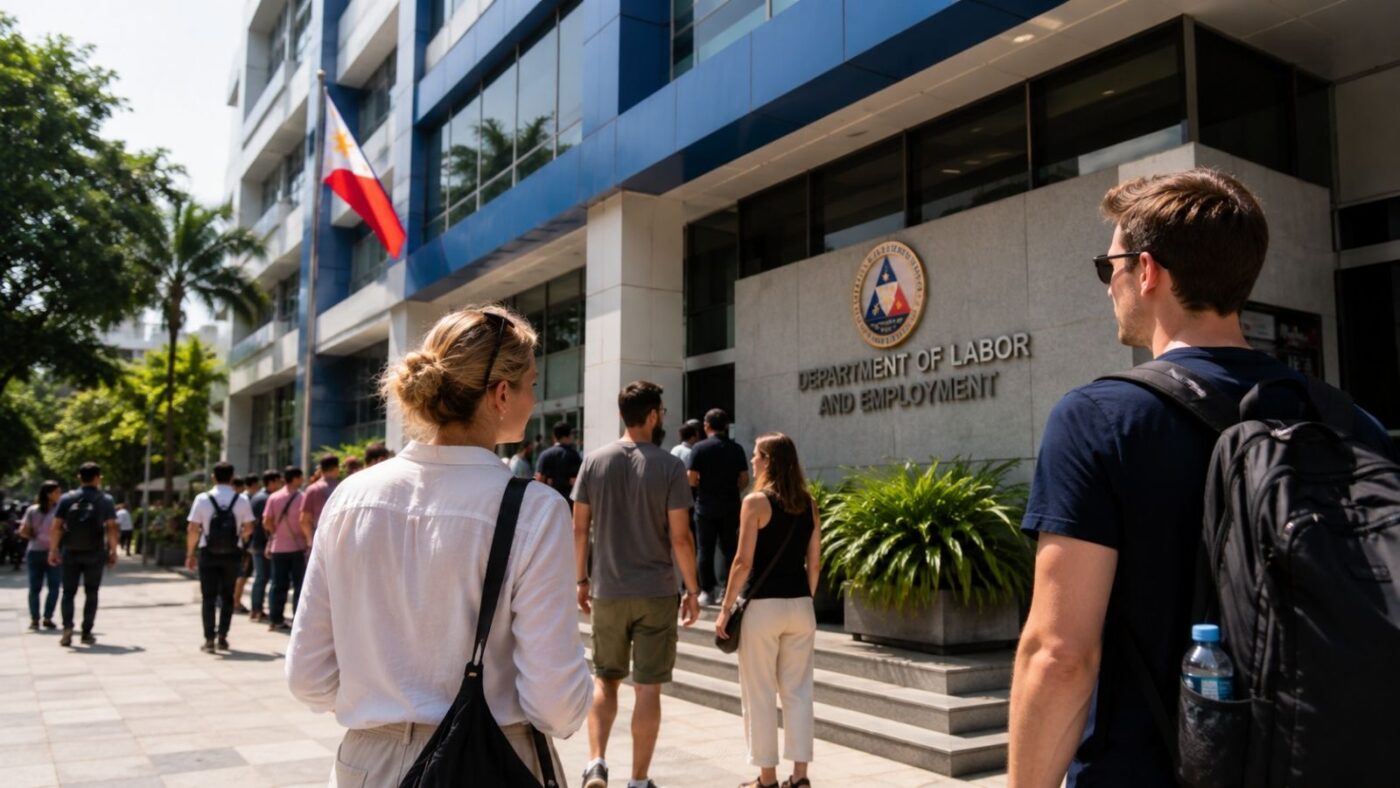
Philippines bureaucracy is not merely an administrative machine. It is a living social structure. One that conditions how citizens move through public life, relate to authority, and adapt to systems designed to feel larger than any single person. Birth certificates, school records, tax filings, business permits, driver’s licenses, passport applications, property titles. The list touches every stage of life. Yet the true weight of this system is not the volume of paper. It is the patterns of behavior the system quietly etches into people. You do not simply process documents. You enter a space where power, patience, connection, and subtle negotiation determine outcomes more reliably than written rules. The written rules are often a decoy.
Walk into a typical government office. The air carries the low hum of ceiling fans and the soft shuffle of feet. Applicants arrive early, some with folders sleeved in plastic, others clutching photocopies they hope will be enough. Clerks sit behind counters that draw a clear line: you stay there, I stay here. Conversations begin with soft greetings and the obligatory “po”, a verbal bow that signals awareness of hierarchy. Time stretches differently inside. What looks like delay from the outside is often a quiet test of composure from within. The system does not just process you. It watches how you wait.
If This Stood Out → 7 Philippines Travel Insights Most Travellers Get Wrong
This is not a complaint. This is observation. Philippines bureaucracy reveals behavioral patterns that run deeper than inefficiency, patterns tied to cultural values, colonial legacies, and psychological adaptations that have been trained across generations. Psychologists call one form learned helplessness. After enough friction, you stop expecting the system to work and simply comply. Here, it is called Tuesday. Understanding these patterns offers clarity about how power actually operates in Filipino society and how individuals carve small spaces for agency inside structures that are built to feel immovable. The system conditions you. But conditioning is not destiny.
Table of Contents
Historical and Cultural Roots of the System
Philippines bureaucracy carries traces of its colonial past, yet it has evolved into something distinctly local. Spanish rule introduced centralized record-keeping and a preference for formal documentation that still echoes in the requirement for multiple authenticated copies. American administration added layers of legal procedure and the idea that proper form equals legitimacy. Post-independence governments layered on additional requirements, often in response to specific crises or political needs. The result is a system that values documentation as proof of existence and compliance.
What matters more than origins is how these layers interact with Filipino social norms. The cultural emphasis on smooth interpersonal relations, often called pakikisama, influences how requests are made and received. A direct demand can feel abrasive. A request framed with personal context and respect for the other person’s position opens doors that strict procedure alone cannot. Family structures reinforce this pattern early. Children learn to approach elders with deference, to read moods, and to wait for the right moment. These same skills transfer directly into government offices where the clerk or supervisor occupies a temporary position of authority.
Rituals of routine further embed the system. Applicants learn to bring extra copies “just in case,” to arrive before opening hours, and to follow up without appearing impatient. These behaviors are not random. They represent accumulated wisdom passed through families and communities. One observes parents teaching adult children the exact phrasing that softens a rejection or the small gesture that signals sincerity.
Over time, these routines become second nature, turning bureaucracy into a familiar, if sometimes exhausting, landscape rather than an alien obstacle.
Hierarchy and the Ritual of Respect
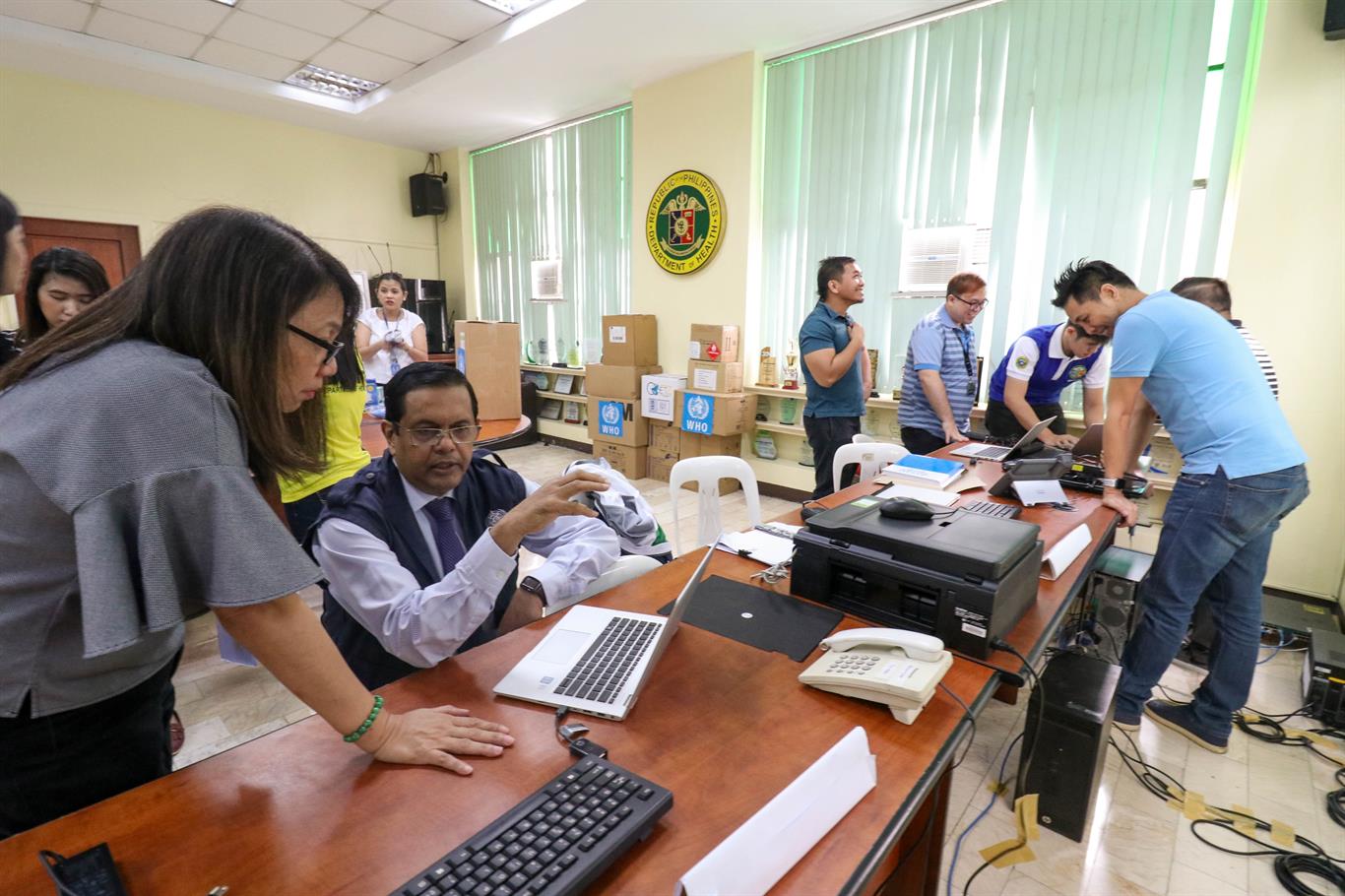
Hierarchy is not hidden in Philippines bureaucracy. It is displayed. Desks are arranged in clear tiers. Frontline staff screen and sort. Supervisors sit slightly elevated, both literally and in authority. Higher officials work behind closed doors, often with better ventilation and fewer interruptions. The physical layout announces status before anyone speaks. You know your place before you reach the counter.
The ritual of respect begins the moment you approach. Eye contact is brief. The voice lowers. The body leans forward in a posture of attention, not confrontation. These micro behaviors are not just politeness. They acknowledge a temporary power imbalance. They reduce the chance of the interaction turning adversarial. Clerks, in turn, respond to displays of respect with greater willingness to explain requirements or accept small discrepancies. The exchange becomes a negotiation of status as much as a transaction of documents. You are not just asking for a stamp. You are performing submission.
You see this dynamic across agencies. At the local civil registry, a grandmother might chat about her grandchildren while presenting a birth certificate request. She builds a brief human bridge before the formal part begins. At the Bureau of Internal Revenue, a small business owner might reference a mutual acquaintance or a past successful filing. These moments are not corruption.
They are the quiet skill of navigating a system where personal recognition still carries weight. Call it cultural intelligence if you want. Most people just call it surviving the queue.
The hierarchy also creates clear pathways for escalation. When a frontline denial happens, you learn to ask calmly for the next level of review. The act of asking signals understanding of the structure. Those who shout or demand immediate action often find the system closes ranks. Those who treat each level with consistent respect keep doors open. This pattern teaches strategic patience. It extends beyond any single visit. Over time, it also trains something darker: learned helplessness. You stop expecting efficiency. You start expecting to wait, to be redirected, to comply. The rare moments when a desk officer helps without delay feel like a small miracle, not a right.
The Psychology of Waiting and Approval
Waiting is not a side effect of Philippines bureaucracy. It is the core. Lines form before offices open. Numbers are called slowly. Files move from one desk to another with deliberate care. What looks like inefficiency from the outside often functions as a psychological filter inside. The person who returns day after day, folder growing slightly thicker each time, demonstrates commitment. The system tests endurance. It does not hide this.
This waiting carries psychological weight. It reinforces deference to institutional time over personal urgency. You learn to occupy yourself quietly, to observe others, to manage visible frustration. A sigh too loud or a comment too sharp can shift the atmosphere. The successful applicant develops an internal rhythm: arrive prepared, remain composed, accept the pace as given. This adaptation builds resilience, yes. But it also builds compliance. You stop seeing delay as failure. You see it as the price of existing.
Approval, when it finally arrives, carries its own charge. The stamp or signature is not just permission. It is validation from the system. For many, this moment confirms their place within the larger order. For others, it highlights the gap between personal effort and institutional recognition. The relief is quiet. A simple “salamat po” rather than celebration. The process has trained people to contain emotion within the bounds of acceptable behavior. You do not cheer. You just leave.
Beneath the surface, waiting also creates space for observation. People notice how others navigate the same space. Which approaches succeed? Which create friction? These observations accumulate into practical knowledge, shared in homes and workplaces. The bureaucracy becomes a classroom. The lesson is always the same: the system does not owe you speed. You owe it patience. Learn that, and you will survive. Resist, and you will wait longer. That is not a threat. It is just how the queue work
Researchers have studied this quietly. One 2025 paper examines administrative burden as a tax on human dignity inside Philippines social protection systems. → The price of welfare: administrative burden and human dignity in social protection in the Philippines
Informal Networks and the Art of Adaptation
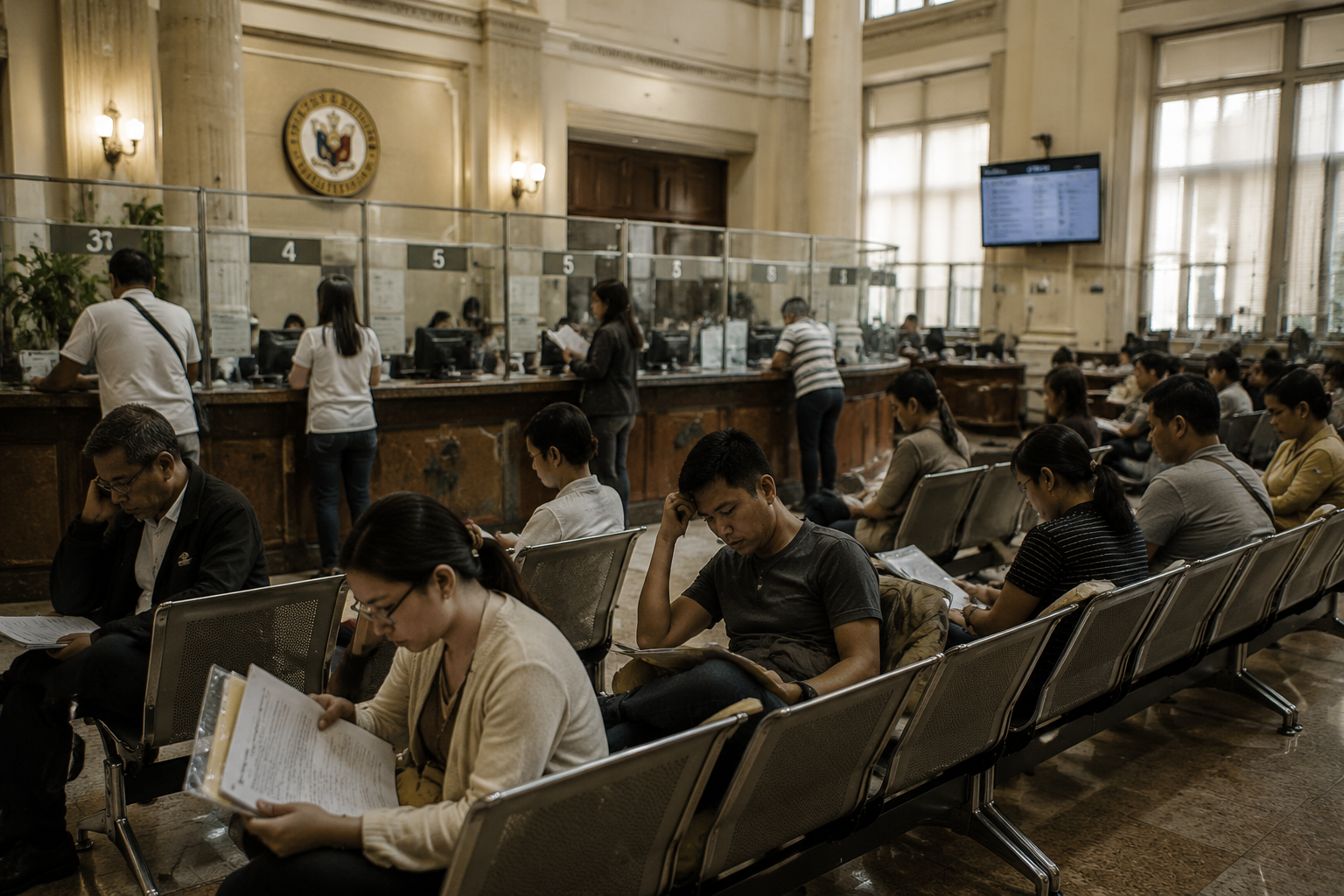
Formal rules exist. But movement through Philippines bureaucracy often depends on informal networks. These networks are not hidden conspiracies. They are visible patterns of relationship cultivated over years. A cousin in a related agency. A former classmate now in mid level management. A neighbor who knows the right window. These connections function as accelerators. The system does not deny this. It just never admits it.
Adaptation takes many grounded forms. You prepare two sets of documents: the official requirement and the supplementary materials that anticipate common objections. You practice the exact language that signals respect without subservience. You time your visit to avoid peak hours, when staff fatigue increases the chance of rigid enforcement. You stay calm even when asked for the same information twice. Repetition is not a mistake. It is part of the ritual. The system tests whether you will break. If you do not, you move forward.
One useful way to see these adaptations clearly appears in the following table:
| Situation Observed | Formal Expectation | Actual Pattern Seen | Psychological Function Served |
|---|---|---|---|
| Request for extra supporting paper | Submit within stated deadline | Return with copies plus a small token or personal story | Signals respect for gatekeeper’s discretion; reduces perceived defiance |
| Initial rejection at counter | Accept and leave | Calmly ask for supervisor review | Preserves relationship while asserting rights; tests commitment |
| Long wait without update | Follow official process | Quiet follow up visit with prior reference | Maintains presence without creating conflict; reminds system of your existence |
| Need for faster processing | Wait in queue order | Mention a mutual connection or past compliance | Activates reciprocity; lowers clerk’s risk perception |
Note: These patterns are not corruption. They are the quiet grammar of a system that rewards persistence and social intelligence over written rules. The table is a map, not a manual. Use it to see clearly, not to manipulate.
Overlooked Patterns: Status, Belonging, and Quiet Resistance
Beyond the obvious mechanics lie patterns that receive less attention. Three of them matter most.
Status signaling. The person who arrives with a well organized folder and a known connection occupies a different social position than the first time applicant who seems uncertain. This difference affects how staff allocate attention and flexibility. You are not just a number. You are a performance.
Belonging. Regular visitors develop a quiet familiarity with staff that new arrivals lack. A shared hometown or alma mater can shift the tone of an interaction in ways that formal rules do not predict. The system remembers faces, not file numbers.
Quiet resistance. Some applicants keep meticulous personal records of every submission and response, creating a private archive that protects against future disputes. Others spread their filings across multiple agencies to reduce dependence on any single point of failure. These behaviors are rarely discussed openly. They form a parallel system of self protection that exists alongside the official one.
The bureaucracy also shapes how people think about fairness. When outcomes depend partly on connection and presentation, merit feels less absolute. You learn to balance personal effort with relational intelligence. This balancing act becomes a lifelong skill. It influences career choices, migration decisions, even family planning. Those who master the informal grammar advance more smoothly. Those who rely solely on formal compliance find progress slower. The system thus rewards the observant, not just the persistent. It does not apologize for this.
Explore Further → The Quiet Cost of Australian Space and Filipino Closeness
Broader Implications for Society and the Individual
Philippines bureaucracy does not exist in isolation. It shapes how citizens view government, how businesses calculate risk, how families spend time and money. The patterns seen in government offices echo in schools, hospitals, and corporate settings. Deference to hierarchy, the value of personal rapport, the strategic use of patience. The bureaucracy is a concentrated expression of wider cultural habits.
For the individual, repeated encounters build a specific psychological profile. Endurance grows. The ability to read subtle social cues sharpens. Frustration management becomes sophisticated. But a quiet skepticism also develops. You stop believing official promises of efficiency. You learn to work with the system as it is, not as it claims to be. The brochure lies. The queue does not.
Long term, these patterns create stability and inertia. The system persists because it fits existing social expectations. Adaptation mechanisms keep it functional enough for most citizens. Change happens incrementally, through small shifts in practice, not wholesale redesign. This slow evolution reflects the same patience the bureaucracy demands. The system does not break. It just waits. And so do you.
Even official research acknowledges the challenge. A 2026 legislative oversight report details how the bureaucracy resists structural reform. → GOVERNING THE PHILIPPINES BUREAUCRACY: ISSUES AND CHALLENGES OF LEGISLATIVE OVERSIGHT
The government’s own data shows the scale of the problem. Over 61% of offices receive the lowest service rating, partly due to stalled digitalization. → ARTA chief: Digitalization failure hinders Filipino access to efficient gov’t service
Questions to Consider
What small behavioral patterns have you noticed in yourself or others during encounters with Philippines bureaucracy? Patterns that repeat across different offices and years, not just once.
How has the emphasis on personal connections and visible respect shaped your understanding of fairness, merit, or authority in broader Filipino life? Not just in government offices, but in daily interactions.
What adaptations have you developed to move through bureaucratic processes? What do those adaptations reveal about your own relationship with time, hierarchy, and belonging?
Final psychological trigger: When was the last time you stopped expecting the system to work and simply complied without questioning? What did that moment feel like? Quiet relief or quiet resentment?
These questions invite reflection, not debate. The patterns described here exist in plain sight for anyone willing to observe without rushing to judgment. Philippine bureaucracy, with all its weight, continues to teach those who pay attention. If you have a story, share it below. The comment section is patient. The system taught us that