The observation is not wrong. The interpretation is. Most of what foreigners call chaos is not disorder. It is a system running on logic they were never taught to read.
Why the Philippines feels chaotic to foreigners is one of the most consistent things first-time visitors say, usually within the first few days of landing in the Philippines. Traffic that never resolves. Plans that shift with no warning. Answers that never quite land. A pace of life with no fixed anchor.NOTE: This article does not offer practical tips or survival hacks. It is a careful, psychologically grounded examination of the deeper cultural patterns, environmental realities, and perceptual mismatches that make the Philippines feel chaotic to outsiders and why those same patterns make perfect internal sense once you understand the logic that created them.
Table of Contents
Why It Registers as Disorder in the First Place
None of this is about intelligence or awareness. It is psychology, specifically pattern recognition. A mind raised on fixed schedules, direct speech, and linear cause and effect has learned to treat deviations from that pattern as a warning sign. When punctuality, straightforward answers, and predictable systems are the baseline, their absence gets flagged as disorder before any conscious judgement kicks in.
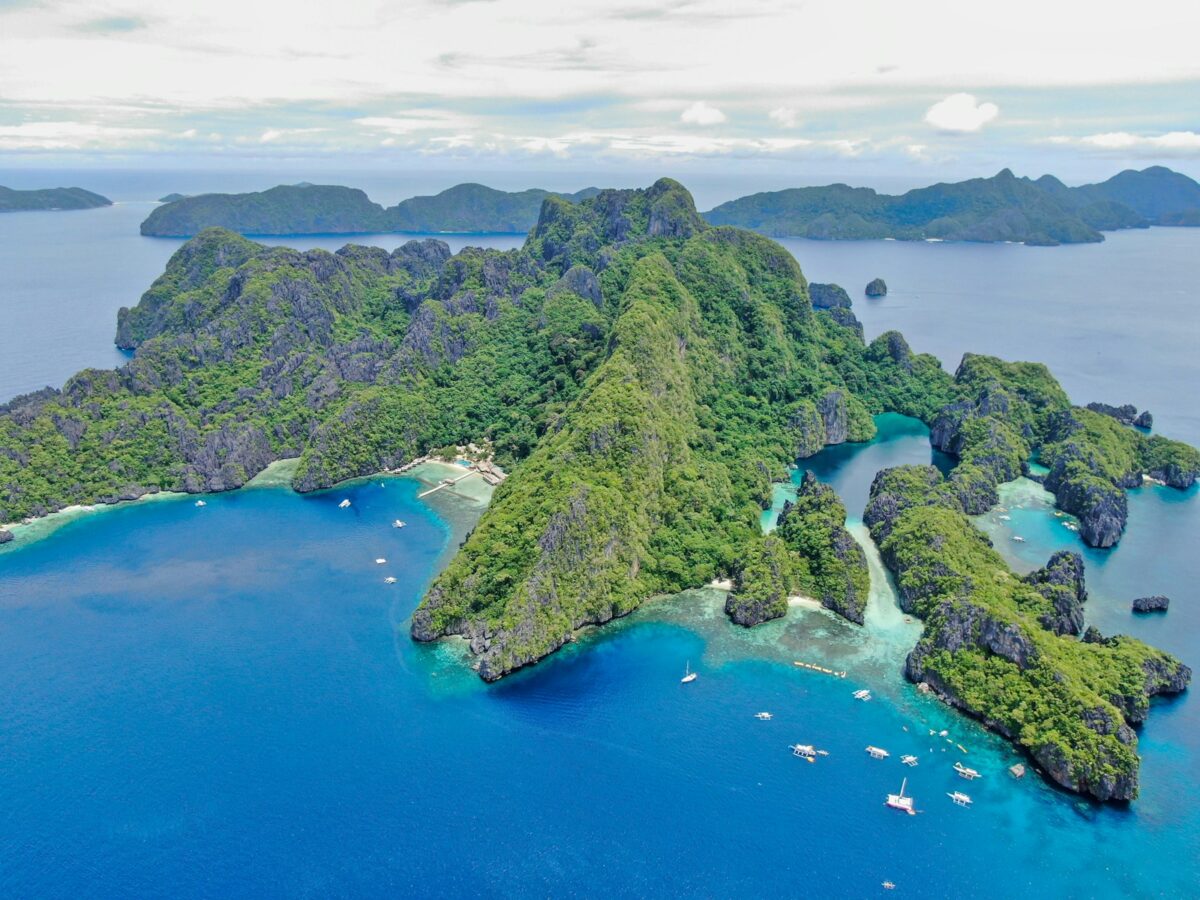
That reaction is automatic, not a character flaw. But automatic is not the same as accurate. The mismatch is between the pattern a foreigner’s brain was trained on and the pattern actually running here. The country is not failing to follow structure. It is running a structure the visitor was never taught to recognise, in a nation spread across roughly 7,641 islands where that structure had to travel, by boat, by radio, by word of mouth, long before it could travel by road.

Four Things Get Called "Chaos" That Are Not the Same Thing
Foreigners tend to compress everything confusing into a single word. That compression is the actual problem, not the country.
Most explanations of “Philippine chaos” either romanticize everything into resilience or write it all off as dysfunction. Neither holds up. These four categories do not share a cause, and blending them together is where most outside accounts, including earlier versions of this one, go wrong.
Environmental Unpredictability
What happens when infrastructure meets weather and geography that will not cooperate. Nobody chooses this. It is the base condition people are adapting to.
Example: A flooded road, a cancelled ferry, a brownout during a storm.
Cultural Adaptation
A deliberate, learned way of handling people and situations. Reading a room, softening a refusal, adjusting on the fly. This is skill, not disorder.
Example: A 6pm meeting that quietly absorbs a two-hour traffic buffer nobody had to state out loud.
Relationship-Based Behaviour
Decisions shaped by who someone is to you, not a fixed rule. The same person can be warm in one context and formal in another.
Example: A favour granted instantly to a relative, politely declined to a stranger.
Institutional Inefficiency
A system that is badly designed, understaffed, or serving itself before the public. Not culture. Bad management with a cultural excuse attached.
Example: The same document rejected twice because two staff members gave different requirements.
Traffic Is Mostly Environment, Not Culture
Manila traffic is the fastest way to convince a visitor that nothing here works. The instinct is to read it as a symptom of some deeper carelessness about time. It usually is not.
Metro Manila’s road network was built for a fraction of its current population and vehicle volume, and public transport capacity has not kept pace with growth. According to the TomTom Traffic Index, drivers in Manila lost an average of 143 hours to rush-hour congestion in 2025, nearly six full days. That is an infrastructure problem, not a mentality problem. Filipinos sitting in the same traffic are just as frustrated by it as any visitor. The difference is they have built their expectations around it. A meeting set for 6pm already accounts for the fact that six might mean seven.
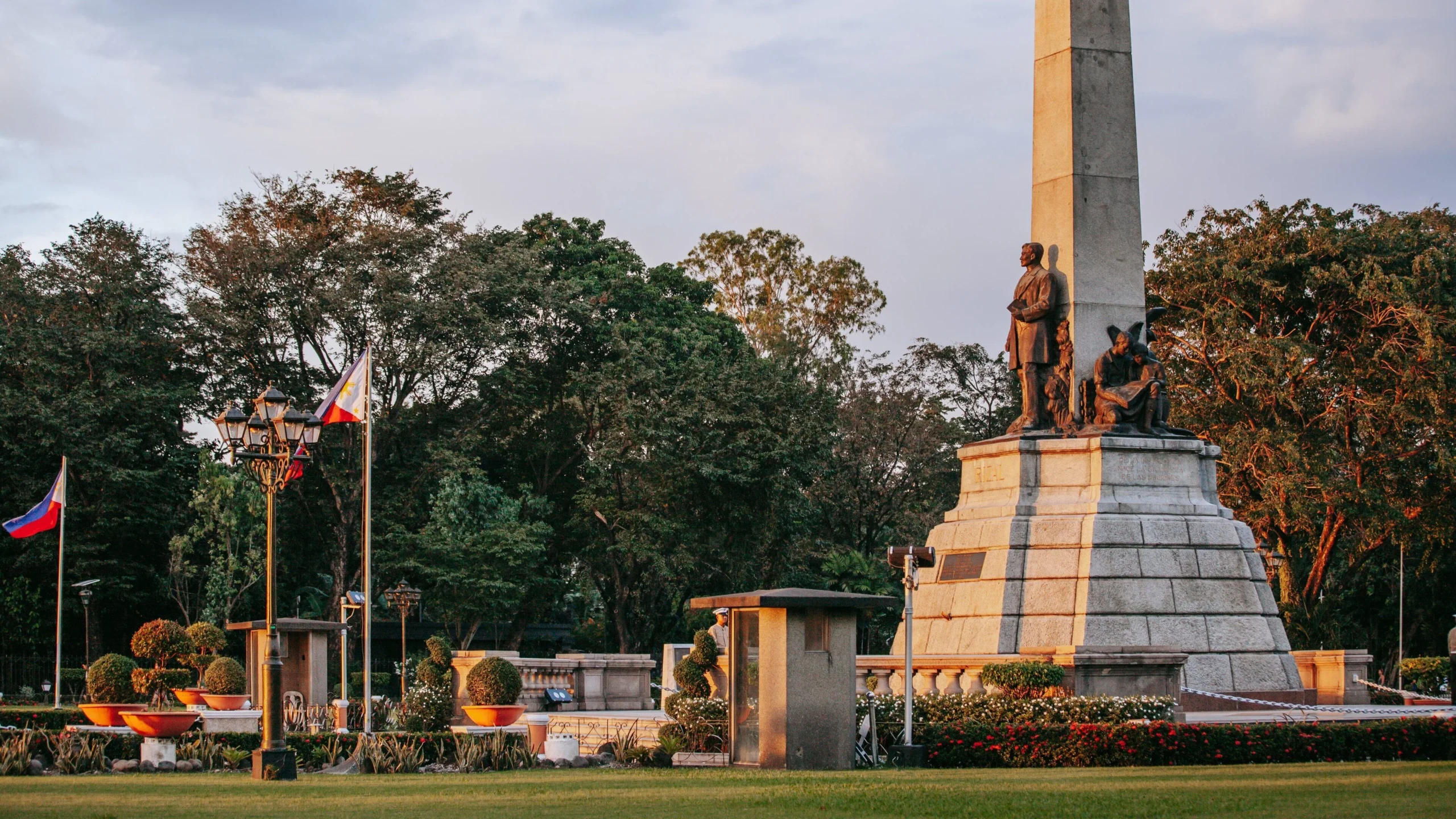
- The distance itself: environmental fact.
- The three-hour buffer everyone quietly builds into the trip: cultural adaptation.
- The absence of a rail system that could have made the buffer unnecessary: institutional.
Filipino Time Is a Different Currency, Not a Broken Clock
“Filipino time” gets treated as a punchline, usually by people who have decided punctuality is a moral position rather than a cultural convention.
In many Western contexts, arriving on time signals respect and reliability. In the Philippines, that same signal is often carried by something else: showing up at all, staying present once you arrive, prioritising the person in front of you over the appointment on the calendar. If a relative needs help right before someone is due to leave, helping them is not disrespect toward whoever is waiting. It is a different hierarchy of obligation, applied consistently rather than selectively.
This is not a blanket excuse for lateness. Plenty of it, here as anywhere, is simply poor time management with a cultural label attached afterward. The honest distinction is between someone late because they stayed to finish helping their mother, and someone late because they never planned their morning. Both get called “Filipino time.” Only one of them is actually about relationships.
Changing Plans: Skill or Avoidance
A trip gets rerouted. A meeting time shifts twice in one afternoon. To someone used to a plan functioning as a contract, this reads as unreliability.
Some of it is genuine adaptive skill. The Philippine Atmospheric, Geophysical and Astronomical Services Administration tracks around 20 tropical cyclones entering Philippine waters every year, with 8 or 9 typically making landfall. When flooding closes a road, when a boat is cancelled because of swell, when a typhoon signal goes up, insisting on the original plan is the wrong move, not the disciplined one. The person who adjusts fast and keeps everyone calm is doing something structured societies often lose the ability to do well.
Some of it is something else: avoidance of confrontation. It is easier to quietly change a plan than to tell someone directly that the original one will not work for them. That is not adaptability. That is conflict avoidance borrowing adaptability’s language. The tell is whether the change comes with a reason. Adaptive flexibility usually explains itself, even briefly. Avoidance-driven flexibility tends to arrive without explanation, because naming the real reason risks the same confrontation it was trying to sidestep
Indirect Answers: There Is Usually a Real Answer Underneath
“Yes” does not always mean yes. A hesitant yes, a long pause before answering, a smile paired with a vague non-answer: these come up often enough that many foreigners eventually stop trusting any direct question they ask.
The mechanism is simple once it is visible. A direct no risks embarrassing the other person or damaging the relationship, so refusal gets delivered through tone, timing, or a soft “maybe” that both people understand as no. This is not dishonesty. It is a system for delivering unwelcome information without the social cost of bluntness.
The frustration is legitimate too. A system that requires decoding tone and context puts outsiders at a permanent disadvantage, and it can be genuinely tiring even for Filipinos navigating it with people outside their usual circle. Indirectness protects the group that already knows the code. It does not automatically extend the same protection to someone who does not.
A common example: asking a contractor whether a job will be finished by Friday. A flat “yes, ma’am” followed by a slight delay before it is said, or a “we’ll try our best po,” usually means Friday is unlikely. The information was given. It just was not given in the format a direct question expects. Foreigners who take the first “yes” at face value are not being naive so much as reading the wrong channel. The words carried the polite answer. The tone carried the real one.
Bureaucracy Is Where the Cultural Explanation Runs Out
This is the category most write-ups quietly skip, because it does not fit neatly into “it’s all just a different kind of order.” It belongs in its own category: bureaucracy, not culture.
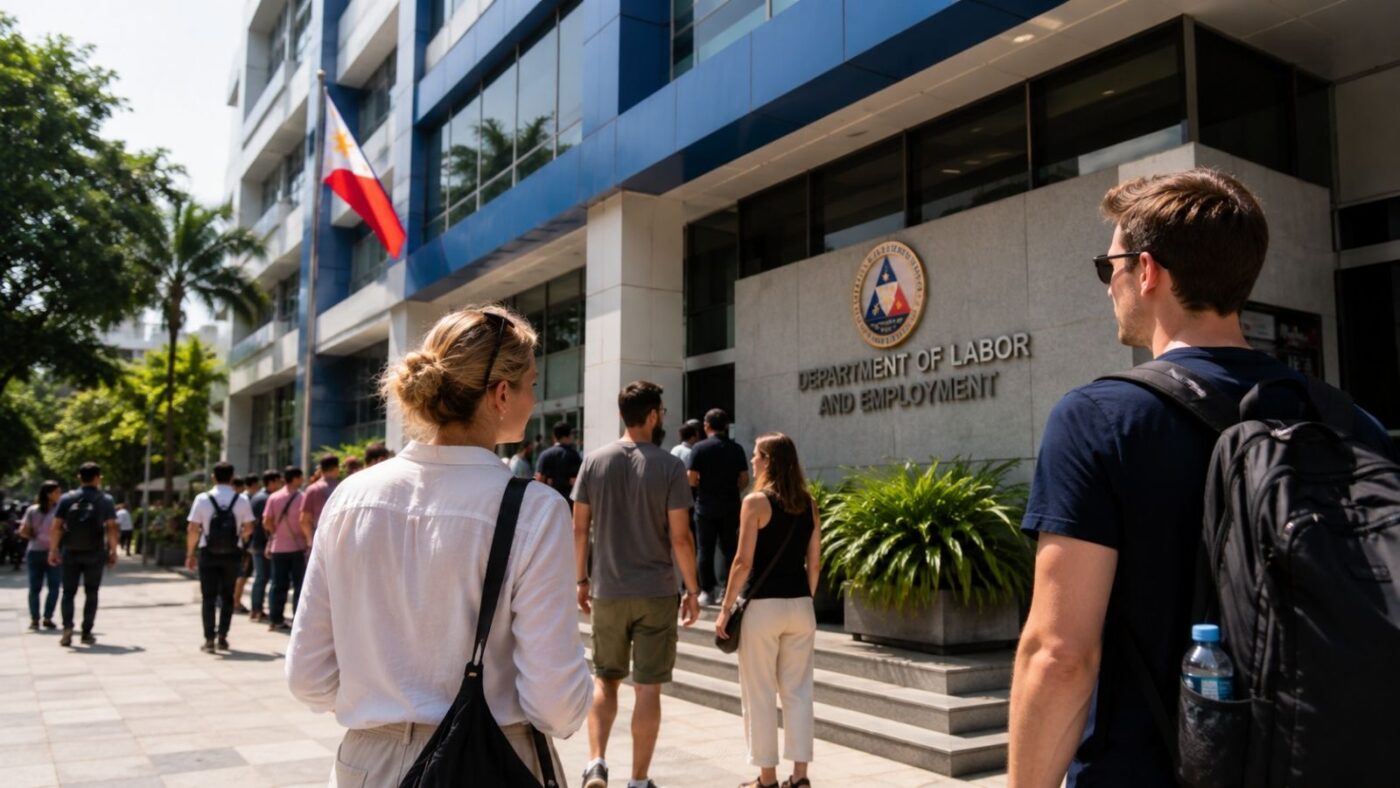
Processing a document, renewing a visa, or requesting a certificate can involve requirements that shift depending on which staff member is asked, repeat visits for information that should have been given the first time, and steps that seem to exist mainly to justify the office that runs them. None of that is cultural adaptation. It is institutional inefficiency, and Filipinos dealing with their own bureaucracy are frequently just as frustrated by it as any foreigner, often more so, since leaving is not an option for them.
Folding this into the same explanation as Filipino time or indirect communication does a disservice to both the culture and the argument. Warm, adaptive, relationship-driven people operating inside a badly designed system are still, in that moment, dealing with a badly designed system. The two facts do not cancel each other out.
A common version: submitting the same document twice because the requirement list changes between visits, or because two staff members at the same window give different answers to the same question. This is not the public being difficult, and it is not culture. It is a process with no single source of truth, and the people trapped inside it, staff included, usually know it as well as anyone standing in line.
Social Obligation: Warm But Not Uniform
Foreigners often notice that the same person can be extraordinarily generous in one setting and distant or formal in another, and read that as inconsistency or even insincerity.
What is actually happening is that social behaviour here runs on obligation networks rather than a universal standard of friendliness. Who someone is to you, what history you share, what is owed and to whom: all of it shapes the response in a given moment. The warmth is real. It is simply not distributed evenly by default. It has to be built into, the way trust or access is built into anything.
This cuts against the idea that Filipino hospitality is a blanket trait extended automatically to everyone. It is closer to a system: generous to those already inside it, and initially neutral toward those who are not yet. For a closer look at how this plays out between two very different social defaults, see The Quiet Cost of Australian Space and Filipino Closeness.
What Changes When You Stop Calling Everything Chaos
The pressure foreigners notice is real. The mistake is assuming every form of it has the same cause.
None of this makes foreign expectations wrong. Someone raised inside fixed schedules and direct speech is not at fault for noticing that Philippine daily life runs differently. Neither does it make Philippine social patterns inferior. Both are coherent responses to different histories, environments and pressures.
Understanding these patterns does not require lowering your standards or excusing weak systems. It means identifying what kind of system you are actually dealing with before deciding what it means.
Earlier explanations overreach when they try to account for everything through culture, including problems caused by genuinely weak systems. A resilient culture layered over poor infrastructure and underperforming institutions is still dealing with poor infrastructure and underperforming institutions. Saying so does not diminish the culture. It identifies what is actually causing the friction in that moment: the weather, the road network, the relationship, or the office that never fixed its process.
The useful shift is not deciding that the Philippines is secretly orderly once you understand it well enough. It is learning to ask, each time something feels chaotic, which of the four things is actually happening. Sometimes it is a typhoon. Sometimes it is a favour owed to a cousin. Sometimes it is a form designed by someone who never had to fill it out themselves.