You notice it first in small, ordinary moments. In an Australian café queue, the person behind you leaves a clear gap. Enough room for another person to stand comfortably. No one announces it. No one negotiates it. The space simply exists as a quiet agreement.
In a Manila jeepney or a Filipino family gathering, that same gap can feel strange. Someone shifts closer. A hand rests lightly on your shoulder while speaking. A silence is filled before it becomes awkward. Neither behaviour is wrong. Each one reveals what a culture has taught the body to expect.
For people who move between Australia and the Philippines, this becomes an ongoing negotiation. Not dramatic. Not visible from the outside. But constant enough to shape how you stand, how you speak, how much distance you protect, and how much closeness you allow.
That is the quiet cost. The tension between Australian space and Filipino closeness is subtle enough that many migrants never fully describe it out loud. They simply feel the adjustment happening in their posture, energy, conversations, and relationships over time. The longer a person moves between both countries, the more visible these invisible negotiations become.
Table of Contents
The First Noticeable Shift
Most people who travel between the two countries for the first time do not articulate what they feel. They simply register a slight unease that lingers at the edge of awareness.
In Australian settings conversations often unfold with a comfortable distance. Colleagues keep a respectful metre or more between them in lifts or meeting rooms. Friends might sit across a table rather than side by side. The body learns that this distance signals respect for autonomy. It says without words that each person manages their own sphere. Even in crowded places like peak-hour trains in Sydney or Melbourne the unspoken rule remains. People angle their bodies slightly away. Voices stay low. Eye contact is brief and polite.
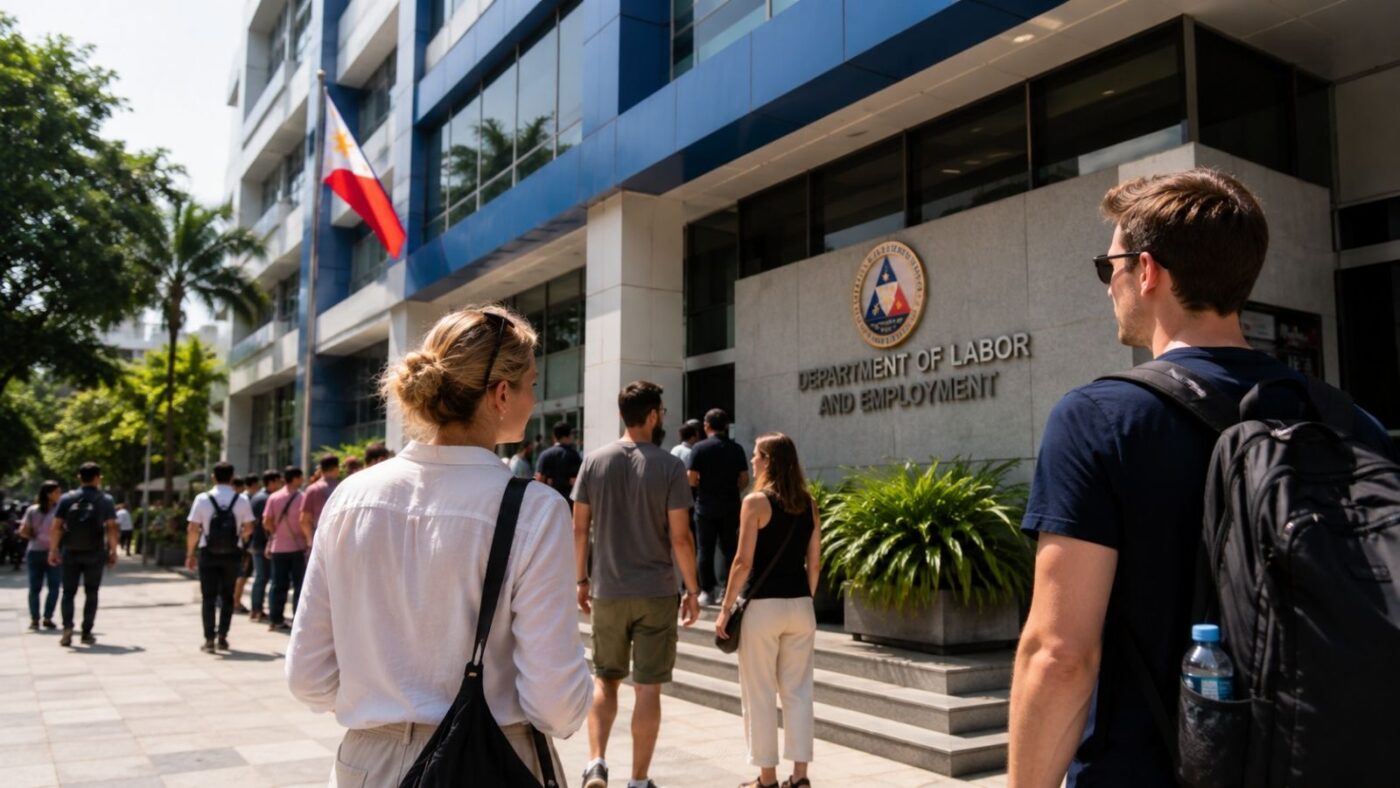
In Filipino settings the same physical gap can read as distance or coolness. Closeness, both literal and figurative, is how warmth and trust are communicated. A hand on the arm during conversation. Standing nearer in a group. Sharing food from one plate. These are not invasions. They are confirmations that you belong inside the circle. In a busy sari-sari store or at a family reunion in Cebu or Davao the space between bodies shrinks naturally. Conversations overlap. Laughter fills the air. The body learns that connection is shown through proximity.
Migrants and long-term visitors begin to notice their own bodies making tiny automatic corrections.
Shoulders angle slightly away in one context and turn inward in another. Voice volume drops or rises without conscious effort. The pace of speech changes. In Australian offices sentences become more measured. In Filipino family video calls they flow faster and warmer. None of this is conscious at first. It is the nervous system learning two different rulebooks for safety and connection.
Over time these small shifts accumulate. A person might feel perfectly at ease in a quiet Australian café yet slightly on edge in a lively Filipino household, or the reverse. The unease is rarely named. It simply sits there as background tension until something brings it into focus.

Where These Patterns Come From
These differences are not random. They reflect long-standing ways of organizing trust, respect, and belonging that become so normal people stop noticing them.
In Australia, space is often treated as a form of respect. People avoid imposing unless invited. The distance in queues, the lowered voices in public, the instinct to avoid standing too close in lifts or waiting rooms all reflect a culture that protects individual boundaries carefully. Even friendliness tends to arrive gradually rather than immediately. Emotional restraint is often interpreted as maturity, self-control, or consideration rather than coldness.
In the Philippines, closeness often carries the opposite meaning. Warmth becomes visible through accessibility. Conversations become personal quickly. Relatives enter rooms without ceremony. Questions that might feel intrusive elsewhere are often expressions of care. Shared meals, overlapping conversations, physical closeness, and constant availability reinforce the feeling that belonging should be felt openly rather than quietly assumed.
According to data from the Hofstede Insights country comparison tool, Australia scores 90 on the individualism dimension while the Philippines scores only 32. This clear gap helps explain why personal space is treated so differently in each culture.
The problem is not that one culture is better at connection than the other. The deeper difference lies in what each environment teaches people to protect. Australia often protects the individual boundary. The Philippines often protects the shared bond.
That difference sounds small in theory. In practice, it changes how people read silence, distance, tone, attention, privacy, and emotional presence. What feels respectful in one country can feel distant in another. What feels caring in one setting can feel overwhelming in the other. For people who move regularly between both worlds, the adjustment eventually becomes physical. The body starts anticipating different social rules depending on the room, the country, the accent, and the people inside it.
How the Body Learns to Switch
Over time, people who move between Australia and the Philippines develop a kind of bilingual physical intelligence. It is not taught directly. It is learned through repetition, discomfort, correction, and exposure.
In Australian workplaces and social settings, they instinctively create more distance. Their voice lowers in public. They wait longer before filling silence. A pause that might feel awkward in Manila feels completely natural in Melbourne. In Filipino family gatherings or video calls, the rhythm changes. They lean in sooner. They touch more easily. They respond with quicker warmth, more detail, and greater emotional availability. The switch often happens within seconds and usually without conscious thought.
Many eventually realize they carry two slightly different social versions of themselves. One becomes quieter, more self-contained, and more protective of personal boundaries. This version moves smoothly through Australian environments where space signals respect. The other becomes more expressive, accessible, and emotionally immediate. This version maintains closeness, family rhythm, and social continuity in Filipino settings.
The switch is not deception. It is adaptation.
What people rarely discuss is how tiring adaptation can become when repeated constantly over years. The strain does not usually appear in dramatic ways. It appears quietly. Someone finishes a workday in Australia and feels unexpectedly drained after a long family call later that evening. Certain friendships feel effortless in one country and slightly tense in another. A person notices themselves rehearsing tone, posture, distance, or warmth before entering a room without fully realizing why.
Over time, instinct starts tracking which version of self is safest, warmest, or most socially effective in each environment.
The Hidden Energy Ledger
Every small adjustment carries a cost.
A slight step backward in conversation. A lowered voice on the train. Choosing to answer a personal question instead of protecting privacy. Staying emotionally restrained when warmth feels more natural. None of these moments feel significant alone. Yet repeated hundreds of times they add up.
Some migrants feel more drained after a lively Filipino family gathering than after a long Australian workday. Not because one is worse, but because sustained closeness and emotional availability keep the nervous system on alert longer. Others experience the opposite: Australian environments with their polite distance can start to feel subtly isolating, even when surrounded by people.
The strain shows up quietly inside cross-cultural relationships too. One person’s need for ten minutes alone after work sounds reasonable; to the other it can feel like emotional withdrawal. A hand on the arm during a serious talk feels reassuring in one culture and intrusive in the other. Most of this happens below conscious awareness. People usually notice the exhaustion before they understand the pattern.
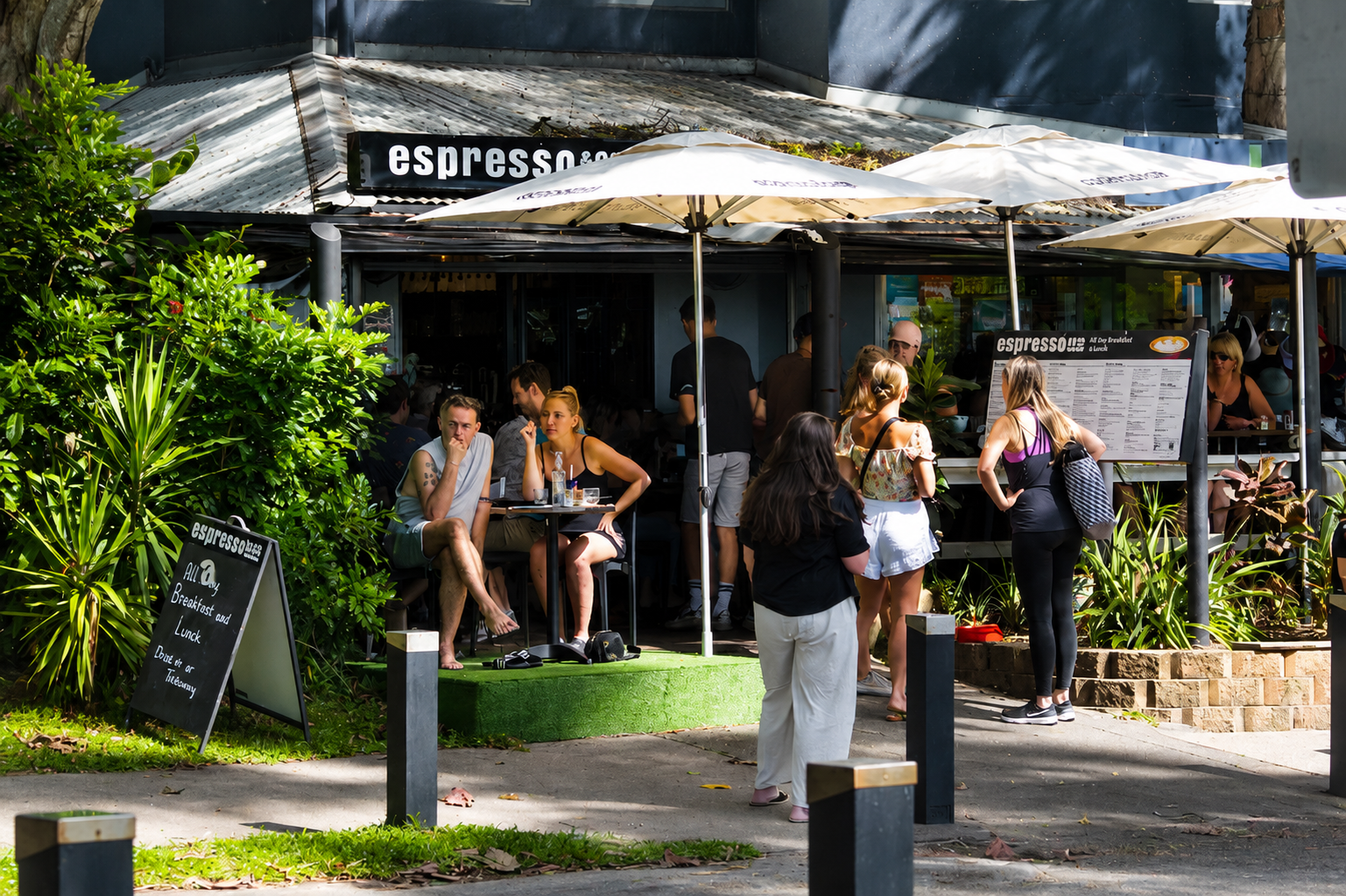

I remember standing in a Manila sari-sari store one evening, shoulder-to-shoulder with strangers, laughing as the owner handed me a cold Coke without asking. The physical closeness felt normal, almost comforting. Two weeks later I was back in a Brisbane café queue and instinctively stepped aside when the person behind me moved closer than an arm’s length. The gap felt polite in Australia, but that same gap in Manila would have read as cold. My body had already started keeping two different rulebooks.
Children of the In-Between
Perhaps the clearest expression of this quiet cost appears in the next generation.
Children raised between Australia and the Philippines often become highly skilled at reading social expectations long before they can explain them. At school in Melbourne or Sydney, they learn restraint naturally. They lower their voice, keep respectful distance, wait their turn, and avoid drawing too much attention to themselves physically. In Filipino households or family gatherings, the rhythm changes again. They lean closer. They respond more quickly. They accept interruption, overlapping conversations, physical affection, and emotional immediacy as normal forms of connection.
The adjustment becomes so automatic that many stop noticing they are doing it at all.
Yet the fluency carries a quieter emotional weight. Some children grow up feeling slightly misplaced in both environments. In Australia, they may be perceived as too expressive, too affectionate, or too emotionally available. In the Philippines, they may appear unusually reserved, distant, or independent. Over time, many become experts at adjusting externally while privately questioning which version of themselves feels the most natural.
Parents often recognize the pattern because they are still managing it themselves. They notice a child stepping back instinctively in an Australian setting or becoming immediately more physically expressive during a Filipino family interaction. The adaptation passes across generations quietly, not as trauma, but as learned social survival.

When Distance Becomes a Gift
The difference between Australian space and Filipino closeness does not remain a source of tension forever. Over time, many people begin recognizing that each culture protects something the other struggles to preserve consistently.
Australian distance can create psychological breathing room. Silence becomes less threatening. Solitude becomes restorative instead of lonely. Personal boundaries become easier to maintain without constant explanation. For people raised in highly social environments, this can feel unfamiliar at first. Later, it often becomes one of the hardest things to give up.
Filipino closeness protects a different human need. It reinforces visibility, emotional immediacy, and the feeling that daily life should be shared rather than carried alone. Presence becomes active rather than implied. Someone notices when you disappear for too long. Someone asks questions. Someone enters your space without waiting for perfect timing. For people who have spent years inside emotionally restrained environments, that kind of accessibility can feel deeply relieving.
People who move regularly between both cultures eventually stop treating the contrast as a problem that must be solved. Instead, they begin learning when each mode of living serves them best. Some decisions become easier in the emotional distance of Australian culture where reflection is protected quietly. Certain relationships become stronger in Filipino environments where affection, availability, and shared presence remain visible.
The skill develops slowly. Over time, people become more conscious of when they need space and when they need closeness rather than assuming one approach should dominate every part of life.
The cost never disappears completely. But eventually many people realize the adjustment has also given them something most people never fully develop: the ability to recognize how differently human beings experience connection, privacy, comfort, and belonging.
Practical Considerations When Moving Between Both Places
For people spending extended time in either country, the adjustment becomes easier when they stop treating their reactions as overreactions.
In Australia, many Filipinos eventually look for environments where warmth does not need constant translation. Established Filipino communities in parts of Sydney or Melbourne often provide a social rhythm that feels more familiar after long periods of emotional restraint at work or in public life. The contrast still exists, but the nervous system spends less time switching between extremes.
In the Philippines, many returning migrants quietly create small forms of distance without announcing it directly. A balcony. A morning walk alone. A room with a door that closes properly. A few uninterrupted hours before social obligations begin. These spaces are rarely about rejecting family or community. More often, they function as recovery points for people whose tolerance for constant accessibility has changed after years abroad.
What becomes important is not choosing one culture over the other, but understanding your own thresholds honestly.
Questions like these matter more than people admit:
- How much closeness do I need before I feel connected?
- At what point does closeness start becoming exhaustion?
- How much distance feels peaceful?
- At what point does distance start becoming loneliness?
- Which environments restore my energy naturally?
- Which ones require more adjustment from me over time?
Most people only start asking these questions after their body has already been answering them for years.
Explore Further → Dual Citizenship for Filipinos in Australia: Exploring the Pros and Cons
What Changes When You Stay Longer
After years of moving between Australia and the Philippines, something subtle begins to happen. The two versions of self do not disappear, but the separation between them becomes less sharp. People become faster at reading a room, adjusting tone, interpreting silence, and sensing how much emotional presence is expected before a conversation has fully begun.
The adjustment also becomes less performative and more selective. Instead of adapting automatically to every environment, people begin protecting the version of themselves that feels psychologically sustainable long term.
Some eventually choose quieter Australian routines with carefully maintained Filipino social ties. Others prefer the emotional density of Filipino life while keeping certain Australian habits around privacy, scheduling, and personal space. Most do not arrive at these choices ideologically. They arrive there physically. The nervous system gradually reveals which environments create steadiness and which ones create prolonged tension.
The quiet cost never fully disappears. It simply stops feeling unusual. Like background noise in a familiar house, it becomes part of everyday life. What once felt confusing eventually becomes recognizable, manageable, and woven into the way a person understands themselves.
Questions People Quietly Carry Between Both Worlds
For many Filipinos, the shock is not language or weather first. It is emotional distance. Australian respect is often expressed through non-interference, privacy, and restraint. For people raised in environments where care is shown through closeness and visibility, that silence can initially feel unsettling even when nobody is being unkind.
What This Actually Means → Why Australia Feels Emotionally Distant to Some Filipinos
Sometimes. Especially people who were raised to associate privacy with emotional safety. Filipino warmth can feel intense to someone used to more controlled social boundaries. The constant questions, physical closeness, and emotional immediacy may register as pressure rather than connection at first. Over time, many Australians stop interpreting it as intrusion and start recognizing it as a different language of care.
Usually not completely. The adjustment simply becomes faster and less conscious over time. Many long-term migrants eventually notice they are changing posture, tone, pacing, eye contact, emotional openness, and conversational rhythm automatically depending on the environment. The switching stops feeling like performance and starts feeling more like social muscle memory.
Not necessarily. Both cultures protect something important. Australian distance can preserve autonomy, emotional recovery, and personal clarity. Filipino closeness can preserve belonging, accessibility, and emotional reassurance. Problems usually appear when one system is forced onto people whose nervous system has already adapted deeply to the other.
Because both people may believe they are showing care while accidentally signaling the opposite. One person creates space to show respect. The other experiences that space as emotional withdrawal. One person moves closer to express affection. The other experiences it as pressure. The misunderstanding is often not emotional incompatibility. It is cultural interpretation happening underneath ordinary interaction.
Many become extremely skilled at reading rooms early in life. They learn instinctively which version of themselves fits each environment. At school they may become quieter, more restrained, and more independent. Around Filipino relatives they may become warmer, more expressive, and more socially available. The adjustment becomes so normal that some eventually struggle to identify which version feels the most natural when nobody is watching.
Often it does. What once felt uncomfortable can become necessary later in life. Some migrants grow to value Australian solitude after years of social density. Others begin missing Filipino immediacy after long exposure to emotional restraint. Age tends to make people less ideological about culture and more honest about what actually restores them psychologically.
Pay attention to your energy before your opinions. Notice which environments leave you mentally clear and which leave you overstimulated or emotionally flat. Notice how quickly silence becomes uncomfortable. Notice how long you can remain socially available before exhaustion appears. Most people try to adapt intellectually first. The body usually understands the truth much earlier.
A Final Observation
The difference between Australian space and Filipino closeness is not a problem to be solved. It is a permanent feature of living between two coherent but distinct ways of being human.
Those who move regularly between both worlds carry an unusual form of knowledge. They know in their bodies that belonging is not a single state. It is a series of adjustments some visible most invisible. The quiet cost is real. So is the quiet skill that grows alongside it.
If you have lived this tension even for a short time you already understand more than most people ever will about how place shapes not just behaviour but the very shape of the self.
Three questions for you:
- When you move between Australia and the Philippines what is the very first small interaction that tells your body you are in the other place now?
- Have you ever caught yourself automatically adjusting your physical distance in a conversation and only later realised why?
- Which version of yourself the one that needs more space or the one that seeks more closeness feels more like home these days and why?
Share your observations below. The comments on these pieces often become some of the most honest conversations we have here.