Philippines

A country understood through everyday life, movement, history, and return and not surface itineraries or quick impressions.

About Philippines

The Philippines is shaped by movement between islands, between countries, and between versions of home. Everyday life is influenced as much by history and geography as by family ties, work, and return. Long before it was framed as a destination, it functioned as a network of communities connected by water, trade, and migration.

Modern life in the Philippines is defined by contrast. Dense cities sit beside rural provinces. Deep tradition exists alongside rapid adaptation. Many people leave to work abroad, while others return carrying new habits, expectations, and ways of seeing. This constant circulation has shaped how Filipinos relate to place, time, and belonging.

Culture here is lived daily rather than performed. Conversations are indirect, relationships are layered, and routines often revolve around family, food, and shared responsibility. Understanding the Philippines means paying attention to these small patterns, not just where people go, but how they live.

This section looks at the Philippines as it is experienced over time. It is not promoted or simplified. It is observed through movement, routine, culture, and the spaces in between.

Weather in the Philippines

The Philippines is shaped more by monsoon movement than by temperature swings. Heat stays steady year-round, but wind, rain, and sea conditions change how places feel, how people move, and how travel unfolds. Understanding the seasons is less about chasing sunshine and more about choosing the right moment to be there.

Dry Season

December to April brings calmer seas, clearer skies, and easier movement between islands. Days are warm and predictable, making this the most straightforward period for travel, long walks, ferry routes, and outdoor routines. It’s when distances feel shorter and plans stay intact.

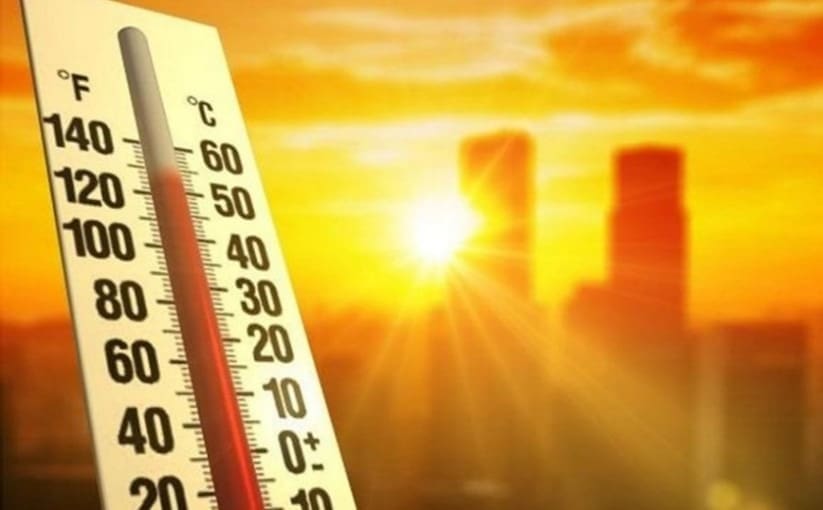
Deadly Heatstroke in the Philippines

Rain Season

From May to November, rain arrives in patterns rather than constants. Some days pass quietly; others reshape schedules entirely. This season is defined by flexibility — slower travel, shifting plans, and a different rhythm of daily life. For those who adapt, it offers fewer crowds and a more lived-in view of the country.

Best Time to Visit Philippines 

Best Good Mixed Poor

The Philippines is hot and humid year-round, but movement through its seasons matters. The dry months bring calmer skies and easier routines; the wet months shift daily life with rain, typhoons, and rising humidity. Understanding climate rhythms has less to do with forecasts and more to do with how people move, work, and rest in the weather patterns here.

Latest Post

PROMOTED POST

Search

OUR AUTHORS