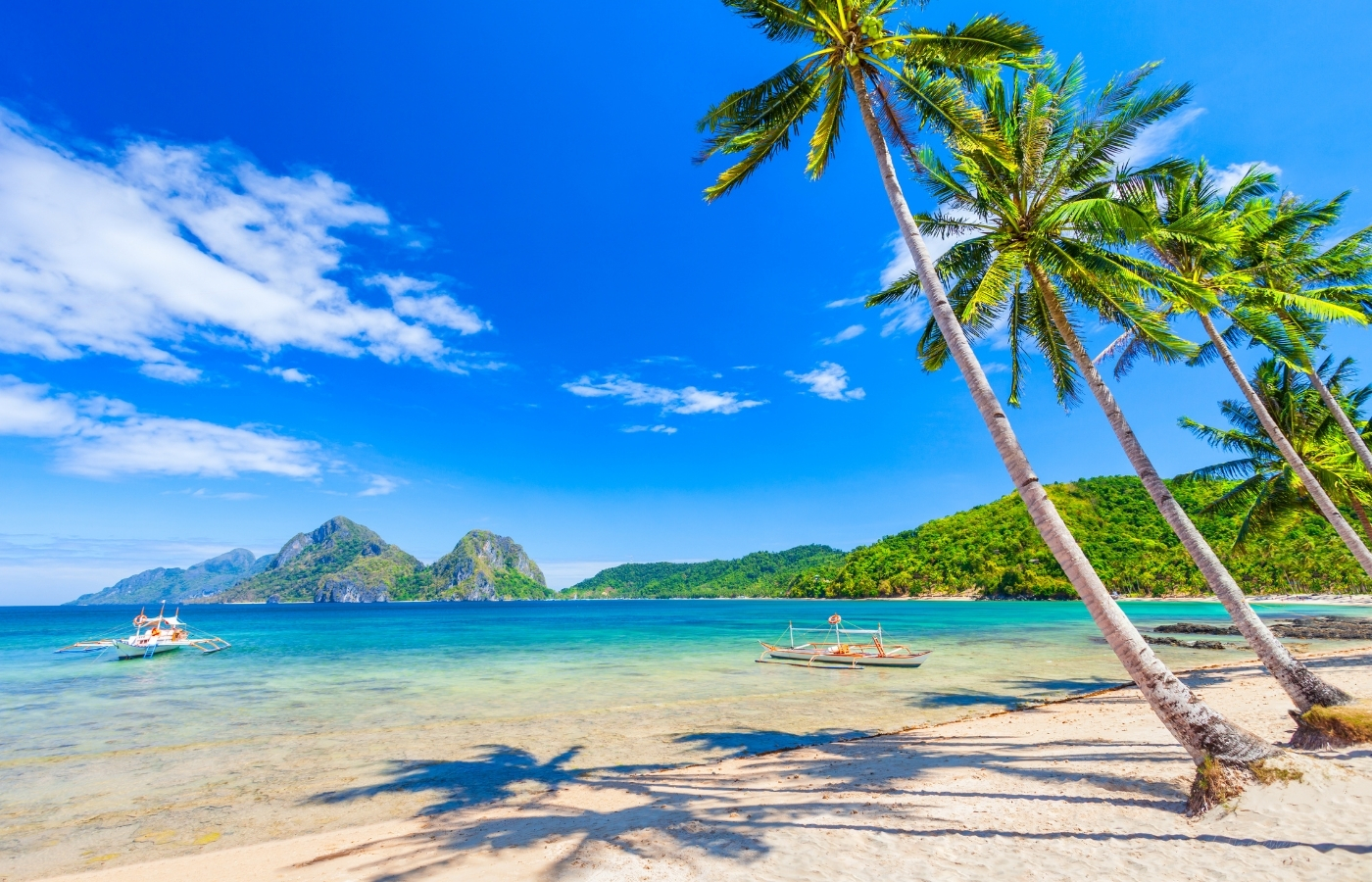
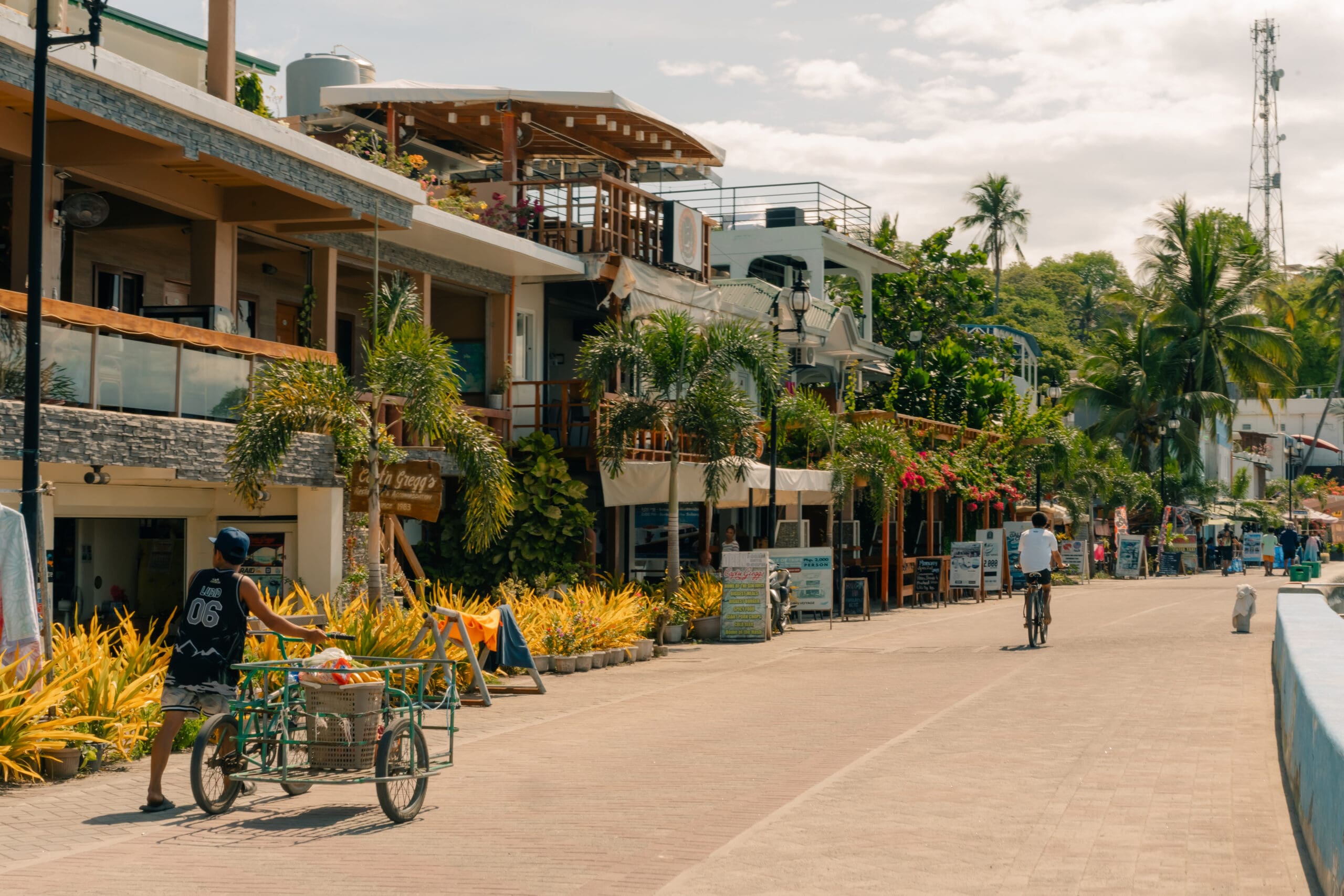
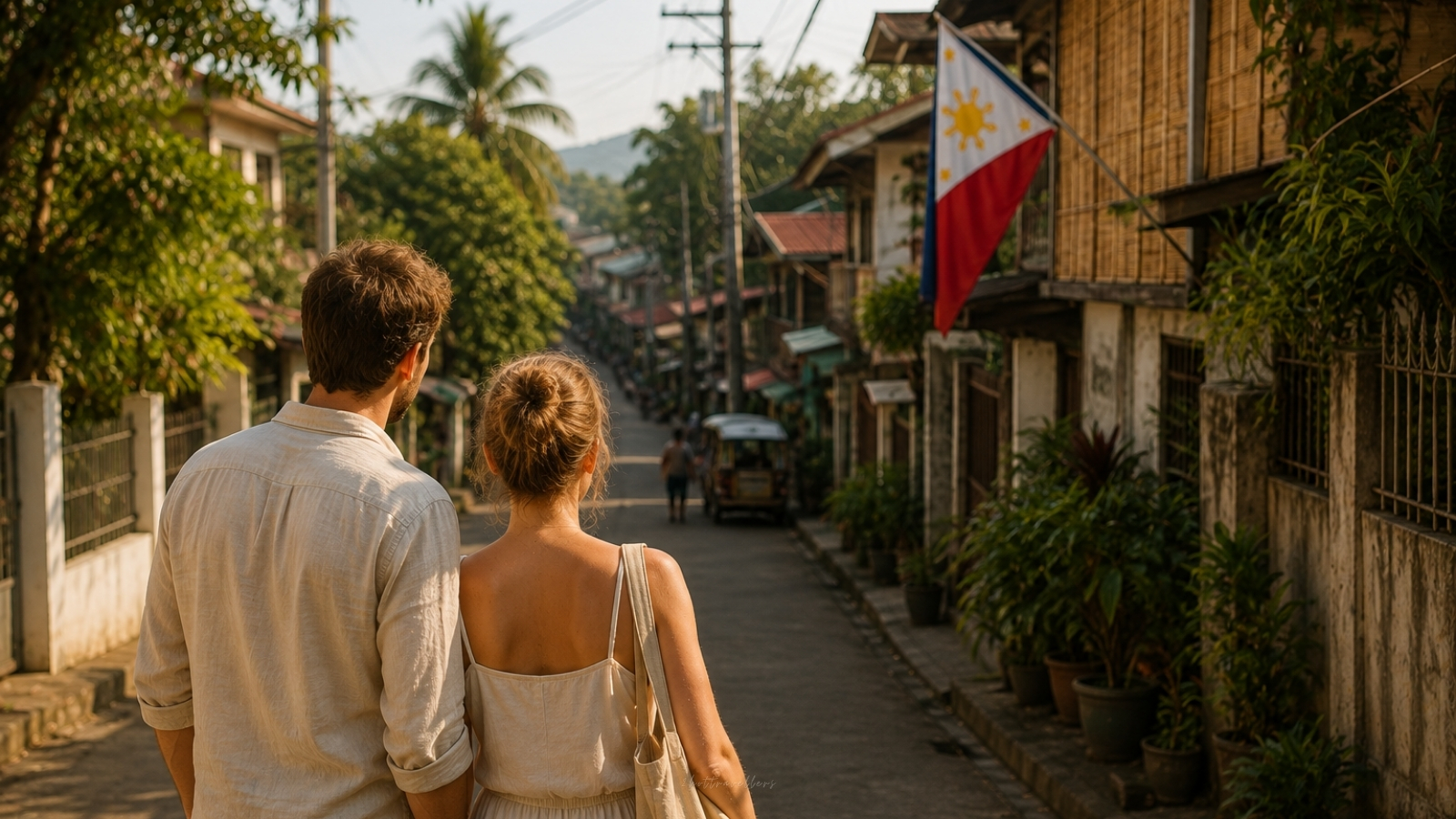
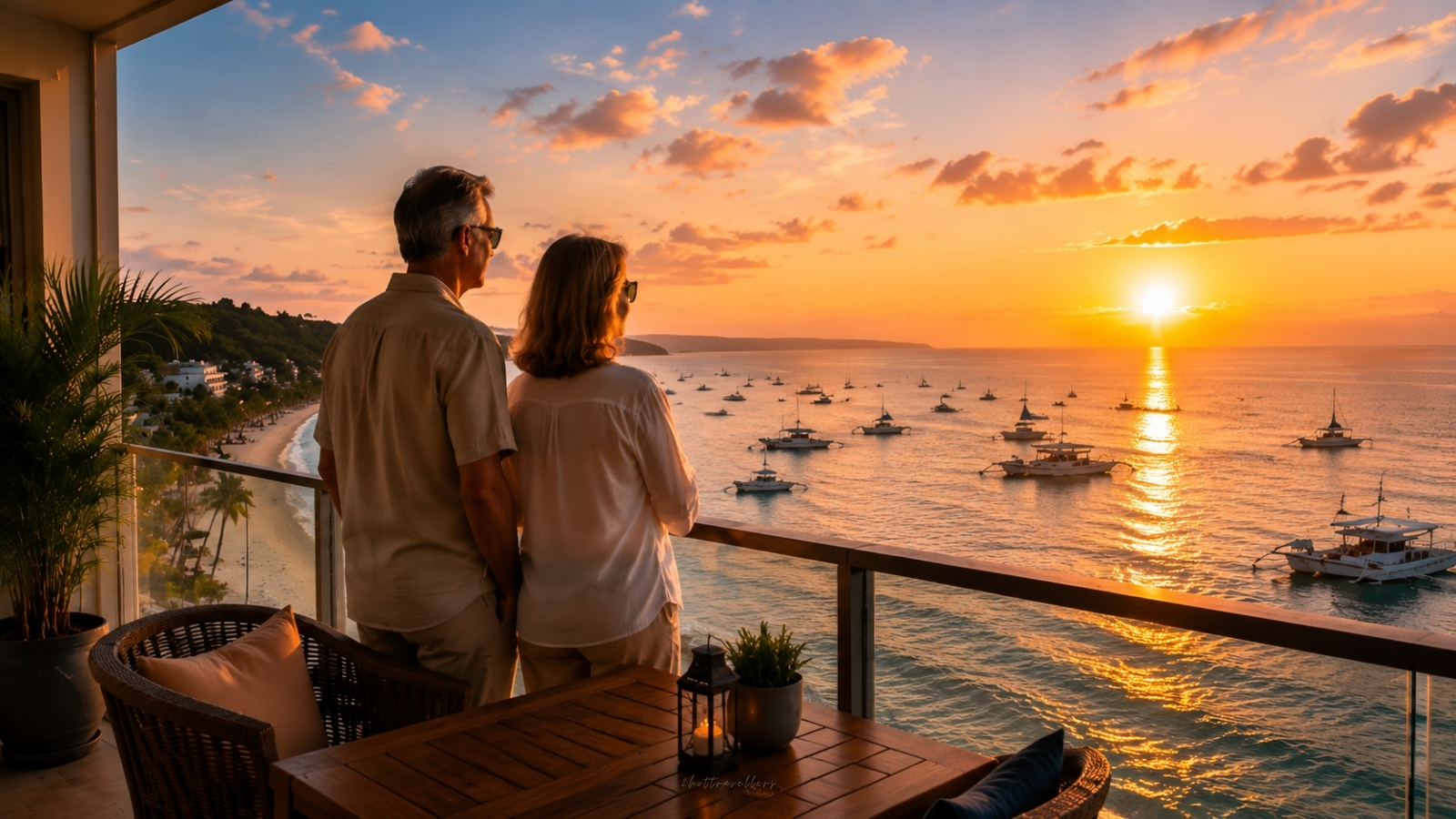
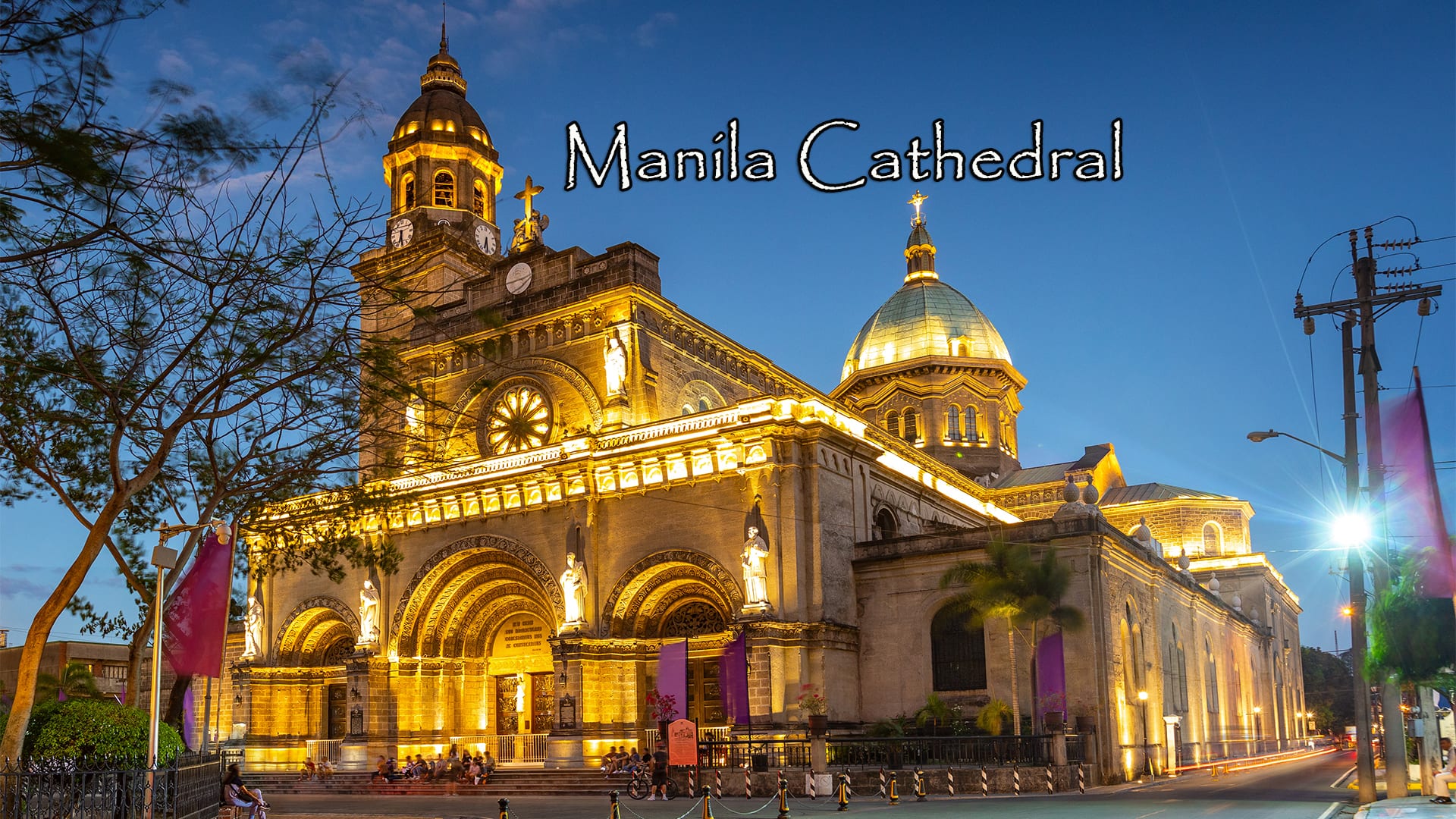
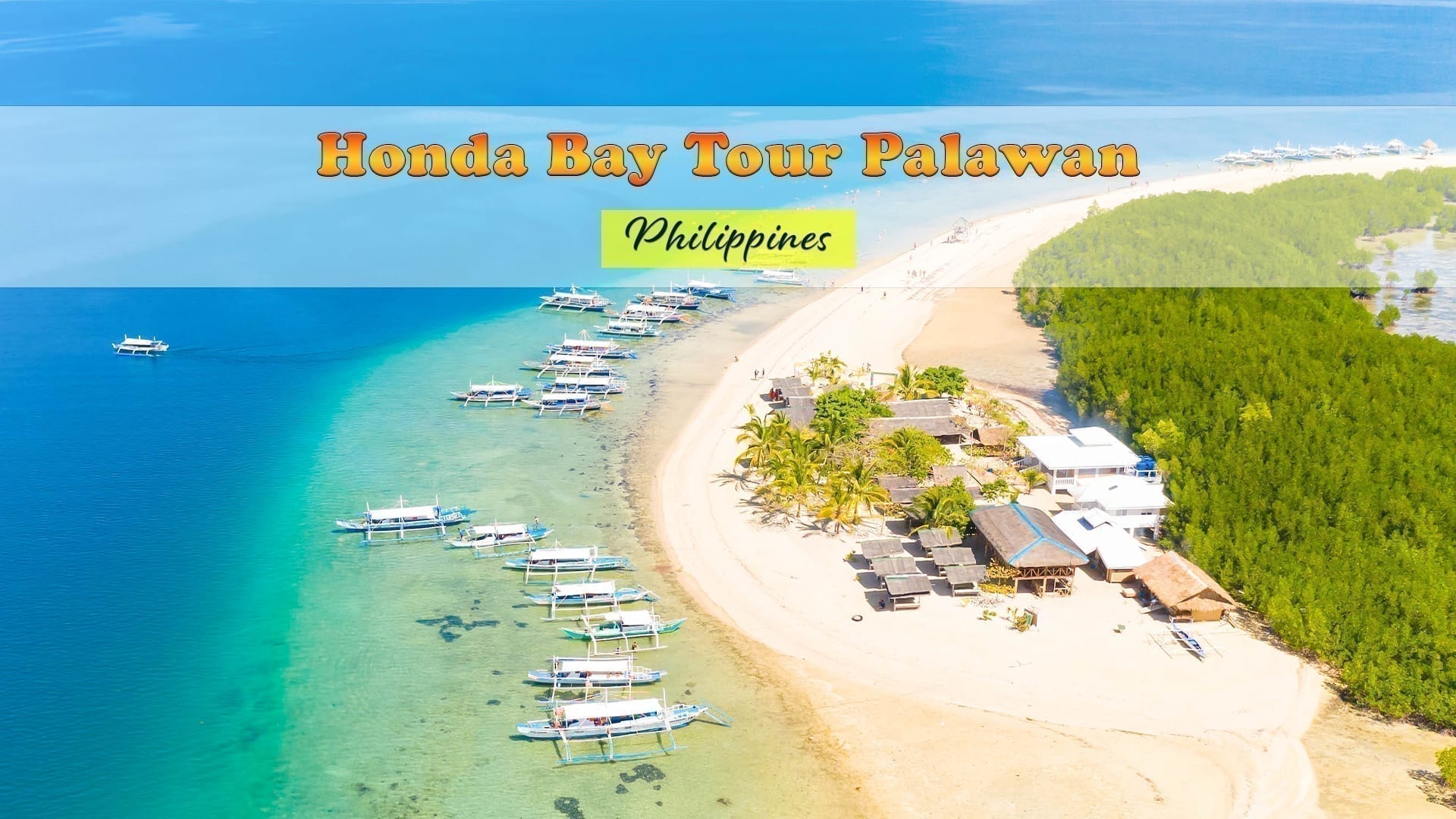
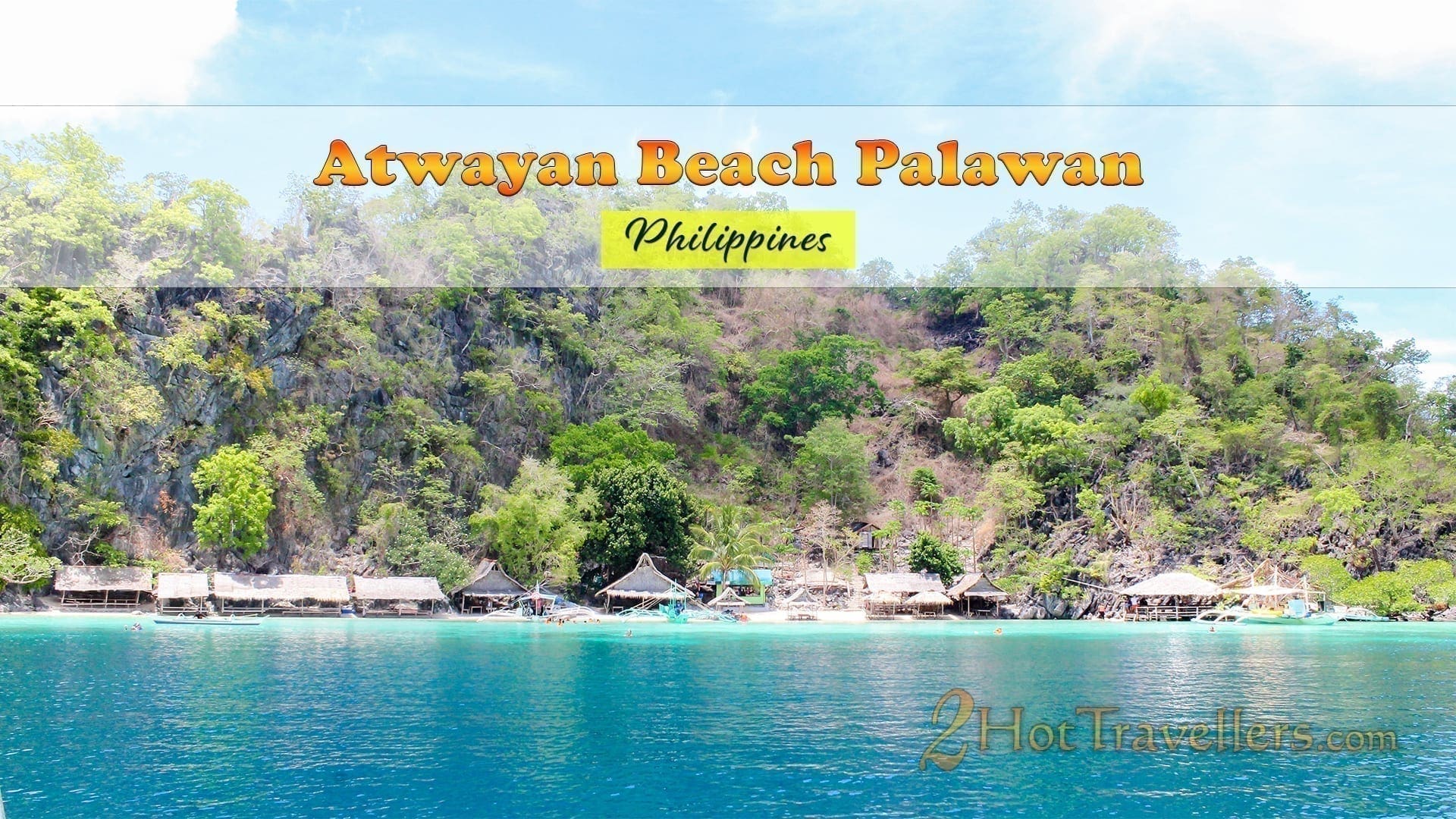
The Philippines moves constantly between islands, between countries, and between versions of home. Long before it became a destination, it was a living network of communities connected by water, trade, and migration. That rhythm still defines it today.
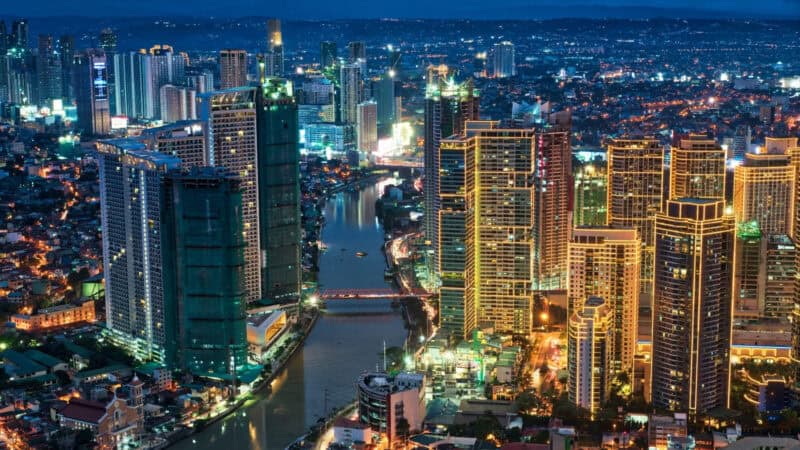
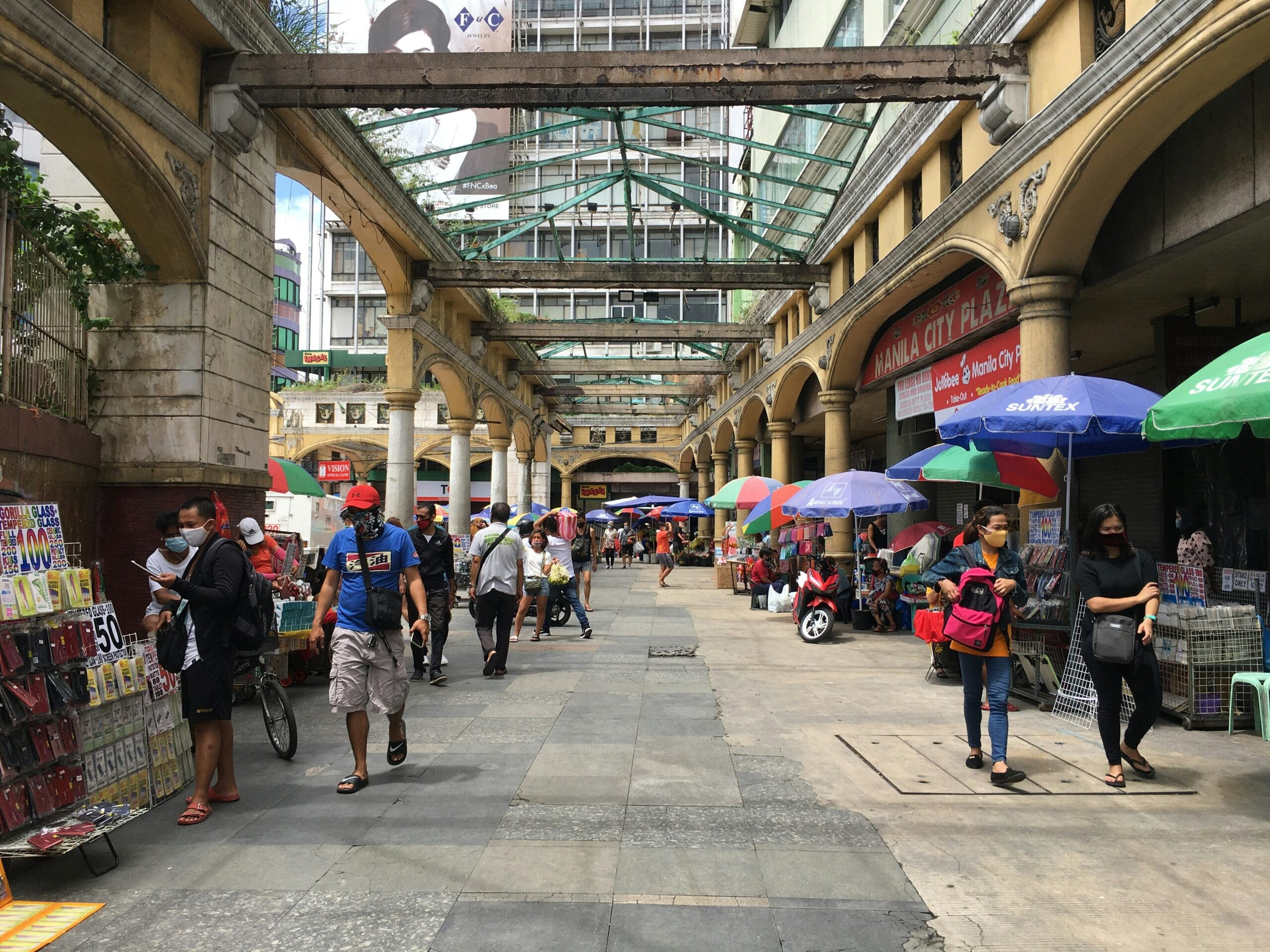
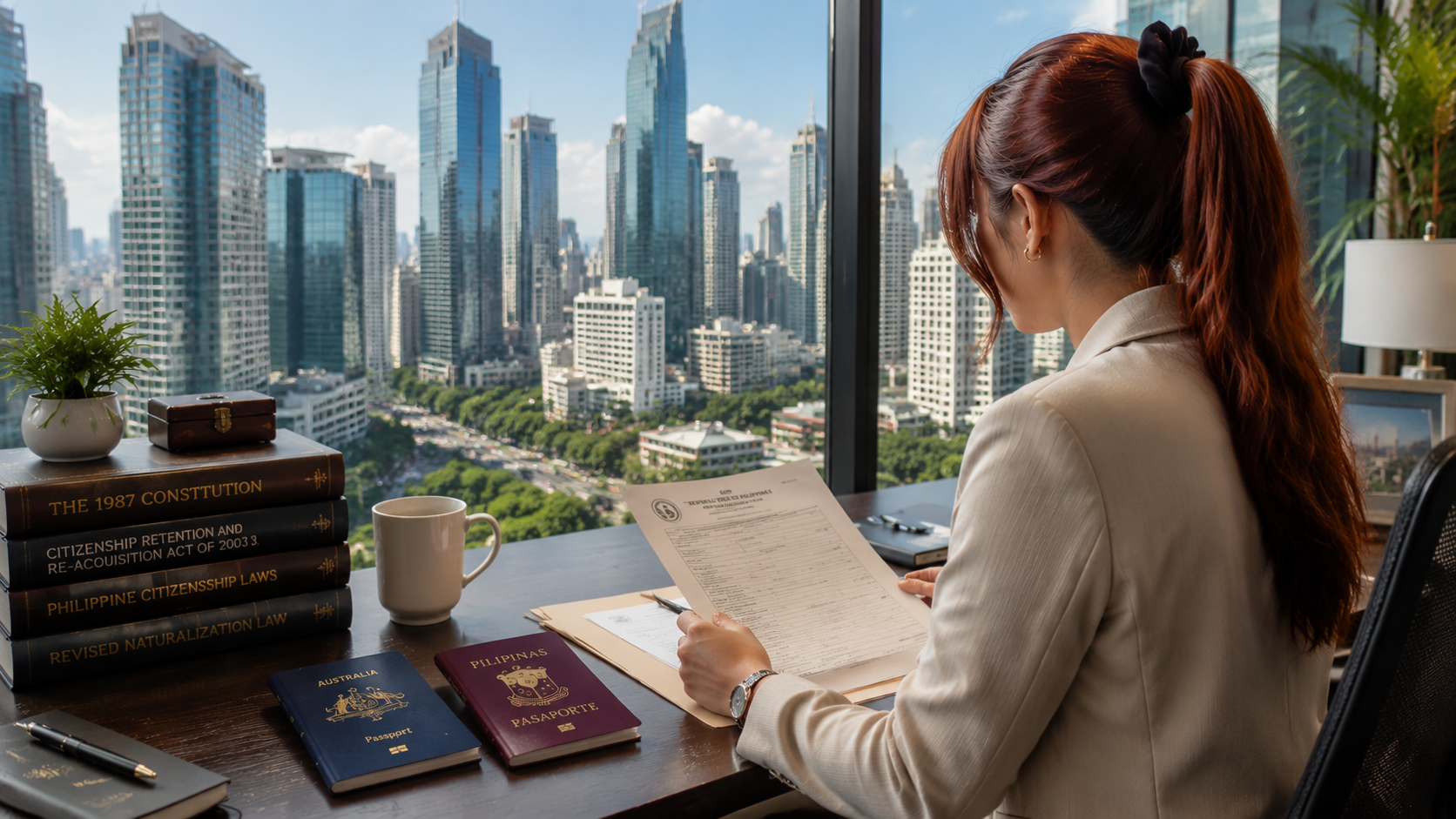
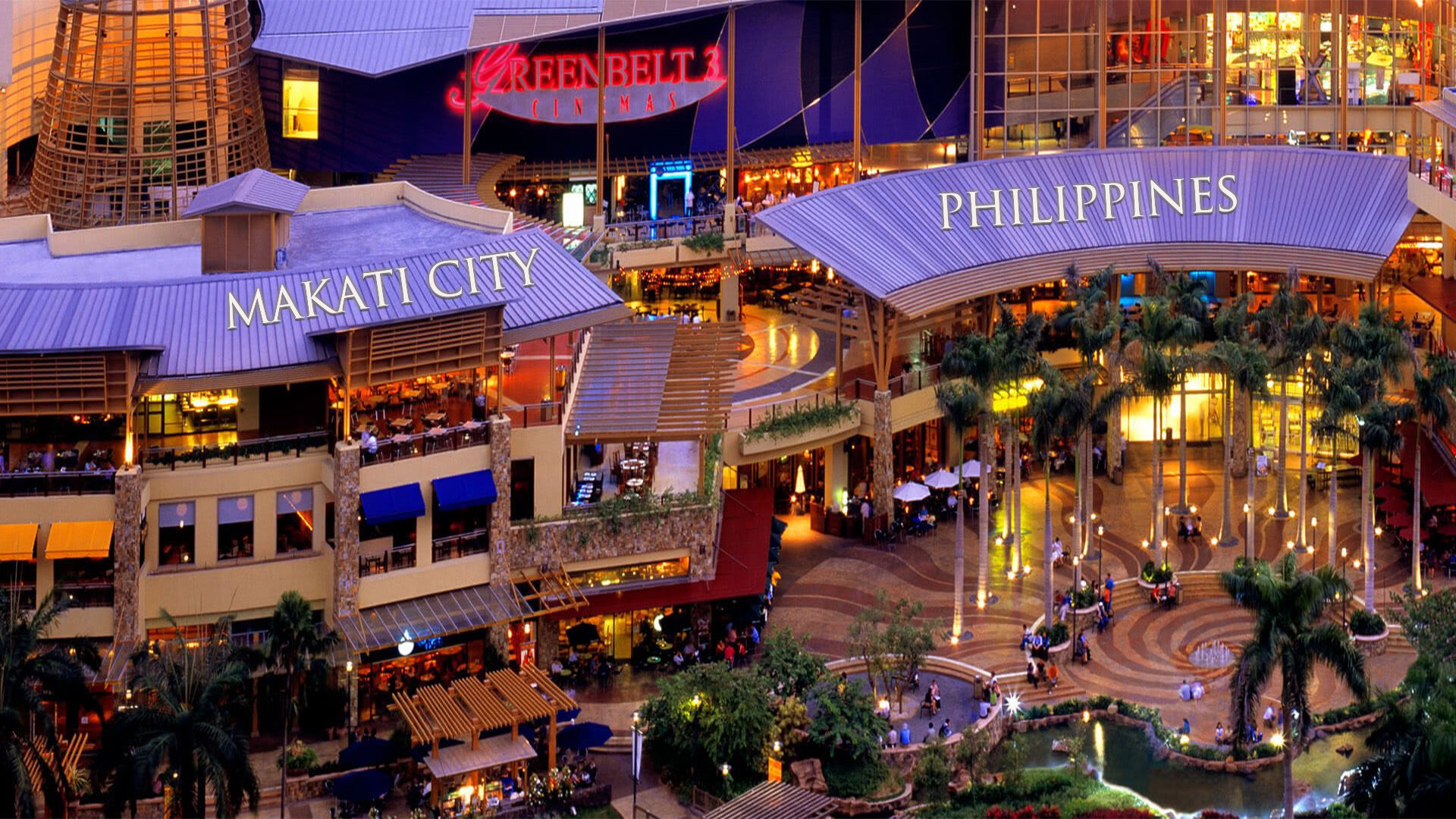
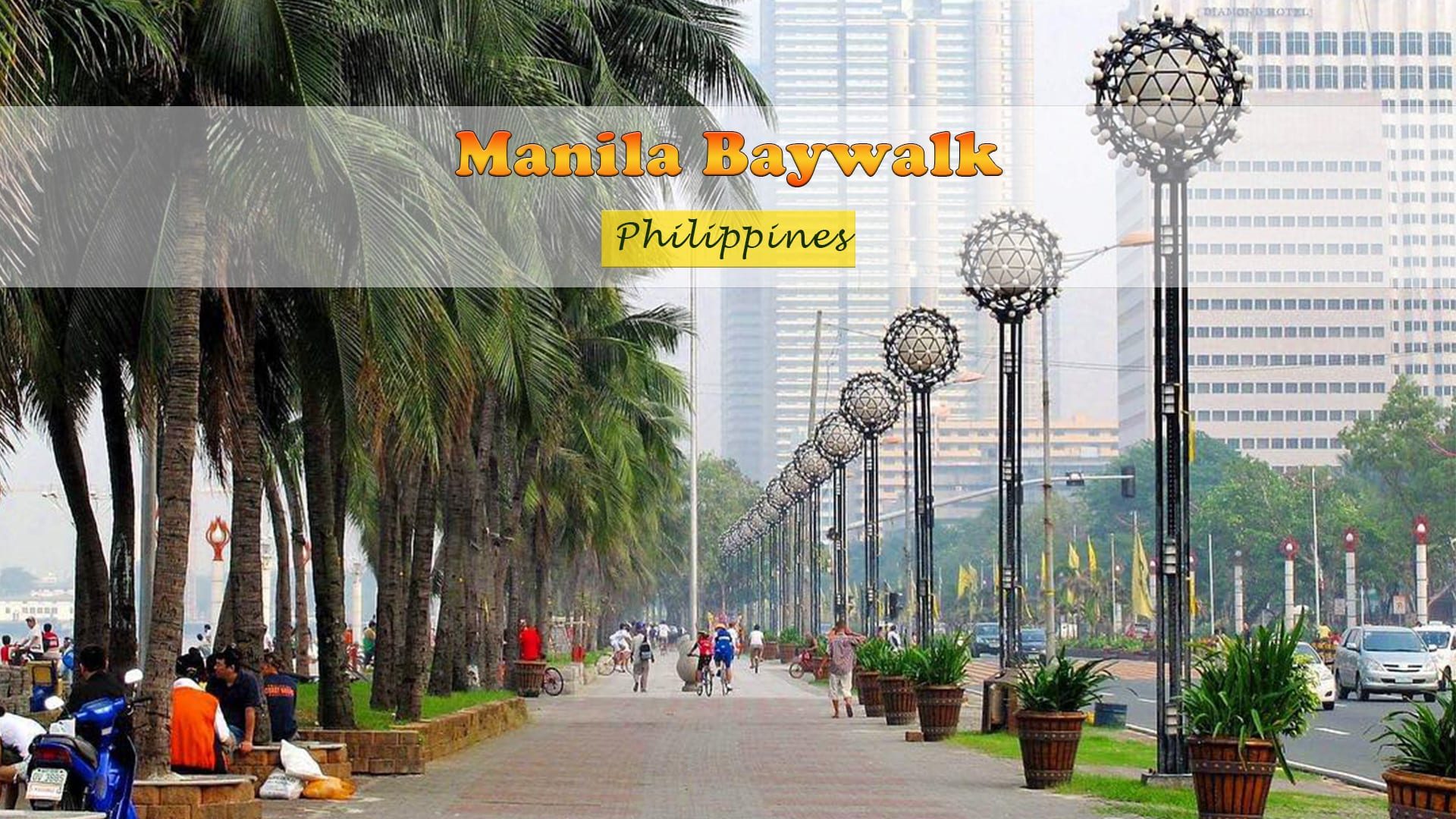
Modern life here is shaped by contrast. Glass towers rise beside rice fields. Deep tradition lives alongside rapid change. People leave to work abroad and return carrying new perspectives. This constant circulation shapes how Filipinos relate to place, time, and belonging.
Culture is lived daily, not performed. Conversations are indirect. Relationships are layered. Routines revolve around family, food, and shared responsibility. To truly understand the Philippines, notice the small patterns, not just the postcard moments.
Before you go, know this: the weather is shaped more by monsoons than temperature. Heat stays steady year-round, but wind, rain, and sea conditions change how places feel and how travel unfolds.
☕ If this article saved you a few hours of research, helped answer a lingering question, or made sense of something that wasn't entirely clear before, consider buying me a coffee. It helps keep the guides coming, the curiosity well caffeinated, and the occasional rabbit hole worth exploring.