Some places stay with you because they were beautiful. Others stay with you because they were easy. The Philippines stayed with us for a different reason. Even after being back in Australia for more than a month, certain details have not left us. These are the kind of Philippines travel insights that only become clear once you are no longer inside the experience.
What stayed were not the obvious highlights people usually talk about; the beaches, the islands, the postcards. It was the quieter patterns that take time to surface.The way people wait without turning every delay into a complaint. The way conversations stretch beyond convenience. The way help is offered without needing to be formal or efficient. These things do not stand out when you are moving through a trip. But once you step back into structured routines, they become more noticeable.
Most travel guides focus on destinations. They tell you where to go, what to eat, and how to move from one place to another. They are useful, but they often miss what travellers are actually reacting to. The Philippines does not only feel different because of where you go. It feels different because of how everyday life moves and how people respond to each other in small, repeated situations.
These are the Philippines travel insights most travellers overlook, not because they are hidden, but because they are easy to miss when attention is focused on visible experiences.
Related Deep Dives → Why the Philippines Feels Chaotic to Foreigners: Cultural Patterns Most Travellers Misunderstand
Table of Contents
Why the Usual Framework Fails in the Philippines
Many travellers do not misunderstand the Philippines because they lack context/experience. They misunderstand it because they apply the wrong expectations. If you come from a place where systems are structured and predictable, you are used to environments where consistency is expected. Time is managed tightly. Processes are designed to reduce uncertainty. When something does not follow that structure, it stands out immediately. So when you arrive in the Philippines and things do not align with that structure, your instinct is to compare.
- You compare timing.
- You compare systems.
- You compare how things should work.
From that comparison, conclusions form quickly. Some describe the experience as disorganized. Others call it inefficient. Some feel frustrated because simple situations take longer than expected or unfold differently. These reactions are real. But they are also incomplete.
Because what is happening is not the absence of structure. It is a different structure operating on different priorities.
One that adjusts around people and situations rather than forcing everything into a fixed sequence. If you continue to measure the Philippines using the rules you are used to, you will keep seeing gaps. But if you observe how things actually function, those same situations begin to make sense. These Philippines travel insights are not obvious at first, but they become clearer the longer you stay and observe
Why Most Travellers Miss These Philippines Travel Insights
Many travellers move with intention, but not always with awareness. The focus is usually on completing a plan rather than understanding a place. This creates a surface-level experience where movement is constant, but observation is limited.
You’ll notice this pattern:
- following itineraries instead of reading situations
- capturing moments instead of experiencing them
- comparing places instead of understanding them
The Philippines does not reveal itself through structure or efficiency. It reveals itself through repetition, behavior, and adaptation. If you move too quickly, you notice friction. If you slow down, you begin to see rhythm.
1. Hospitality Feels Personal, Not Programmed
One of the first Philippines travel insights that becomes clear is how hospitality works. In many countries, service follows a system. It is consistent, structured, and predictable.
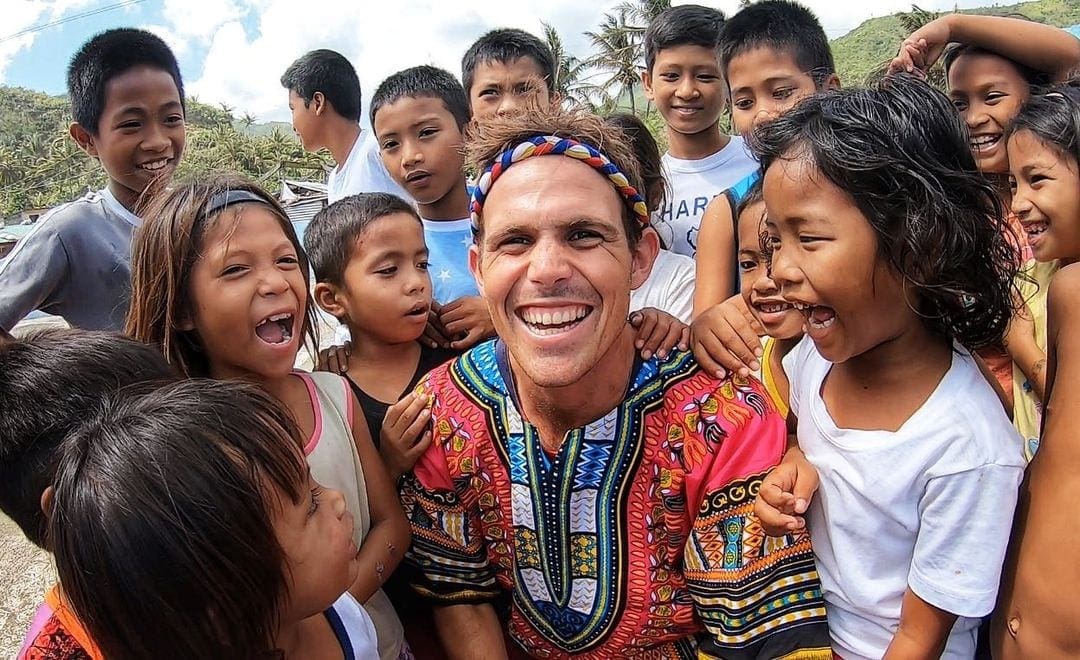
In the Philippines, it feels more human. A simple interaction can extend into a conversation. Someone remembers your preference without writing it down. Help is offered without being asked. These moments are not unusual. They happen often enough to feel normal.
At the same time, things do not always move quickly. A process may take longer. A line may move slower than expected. For travellers used to efficiency, this can feel frustrating at first. But when you look closer, the pattern becomes clearer.
The priority is not to complete the task as quickly as possible. The priority is to acknowledge the person. The interaction matters just as much as the outcome.
This is where many travellers misread the experience.
Hospitality is often interpreted as softness. Friendliness is mistaken for passivity. The openness of Filipinos can give the impression that boundaries are flexible or that casual jokes will be taken lightly. That assumption is where things start to go wrong. Filipinos are accommodating, but they are not unaware. They are patient, but not without limits.
That assumption is where things start to go wrong. Filipinos are accommodating, but they are not unaware. They are patient, but not without limits. Respect is expected, even if it is not demanded directly. When it is crossed, the response may not always be immediate or confrontational, but it does not go unnoticed.
You see this more clearly over time. One person may stay quiet, but the group does not forget. Online, it becomes even more visible. When someone is publicly disrespected or mocked, Filipinos tend to respond collectively. What looks like an easygoing culture on the surface carries a strong sense of shared identity underneath. For travellers, this is an important distinction.
What feels like relaxed hospitality is not an invitation to lower your awareness. It is a sign that the interaction is being handled with care.
And that same care is expected in return. Miss that, and the experience can shift quickly. Understand it, and you begin to see hospitality not as something simple, but as something structured in its own way. And that is one of the more important Philippines travel insights to get right early.
2. Time Moves Differently, But Not Without Meaning
Time is one of the most misunderstood aspects of the Philippines. Schedules exist, but they are not strict. Plans shift. Delays happen. Things do not always follow a predictable sequence.
At first, this can feel inconvenient and frustrating. You may find yourself waiting longer than expected or adjusting plans more often than you would in a more structured environment.
But if you stay long enough to observe instead of react, a different pattern becomes visible.
- People are not constantly checking the time.
- Conversations are not rushed.
- Small moments are allowed to extend without pressure.
When something takes longer, it is absorbed rather than resisted. Time is not ignored. It is shaped around people. This does not make it efficient by strict standards. But it changes how situations are experienced. Once you stop expecting everything to move according to schedule, the experience becomes less frustrating and more understandable. This shift is one of the more practical Philippines travel insights travellers take with them.
3. Family Quietly Shapes Everyday Decisions
Some Philippines travel insights are not immediately visible. Family is one of them. You may not always see it directly, but it shapes how people think, act, and prioritize. It shows up in financial decisions, living arrangements, and long-term planning.
Choices are often influenced by responsibility and connection rather than individual preference. Without understanding this, behaviour can seem unclear. With it, things begin to make sense.
You may notice someone choosing stability over opportunity, supporting relatives regularly, or staying close instead of moving further for advancement. These decisions are not random. They are part of a structure where the individual is not operating alone. Without understanding this, behavior can seem unclear. With it, things begin to feel more coherent.
4. Communication Is Subtle and Layered
Communication in the Philippines often carries meaning beneath the surface. It is polite, measured, and socially aware, but it is not always direct. You may notice softened responses, indirect answers, or agreement that does not fully mean agreement.
At first, this can feel unclear. You ask a question and receive an answer that seems incomplete. You expect a direct yes or no, but instead get something that sits in between. It is easy to assume confusion, hesitation, or even lack of clarity.
But that is not what is happening. This is awareness. People are balancing respect, harmony, and emotional impact in real time. The goal is not only to respond, but to respond in a way that does not create unnecessary tension or discomfort.
This becomes more noticeable when you start paying attention to tone, context, and timing. A slight pause, a softened phrase, or a change in wording often carries the actual meaning. Once you learn to read it, the communication is not unclear. It is layered.
There is another layer that many travellers overlook.
Most Filipinos understand English well, even when they do not speak it fluently. They follow conversations, pick up tone, and understand intent more than people assume. The gap is not always comprehension. It is expression.
This is where misreading happens. Some travellers assume that limited verbal response means limited understanding. They simplify their language, repeat themselves unnecessarily, or worse, make jokes that rely on the assumption that the other person will not fully understand. But they often do.
And while the response may remain polite, the message has already been received. You see this play out in small, everyday interactions. A joke that gets a polite smile but no real engagement. A comment that is acknowledged but not responded to. The surface remains smooth, but the tone underneath has shifted.
This is where the balance sits. On one side, communication is accommodating. People will try to meet you where you are, adjust their language, and keep the interaction comfortable. On the other side, there is a clear awareness of what is being said and how it is being said. Understanding this changes how you move through conversations.
It is not about speaking more or simplifying everything. It is about being aware of how your words land, even when the response seems neutral. The absence of confrontation does not mean the absence of understanding.
This is one of the more nuanced Philippines travel insights, and it requires attention. Not just to words, but to everything around them.
5. Adaptability Is Part of Daily Life
Another consistent Philippines travel insight is adaptability. When systems are not always predictable, flexibility becomes routine. Plans change, and people adjust without drawing attention to it. Problems come up, and solutions follow quietly, often without discussion. You see this in small, repeated situations.
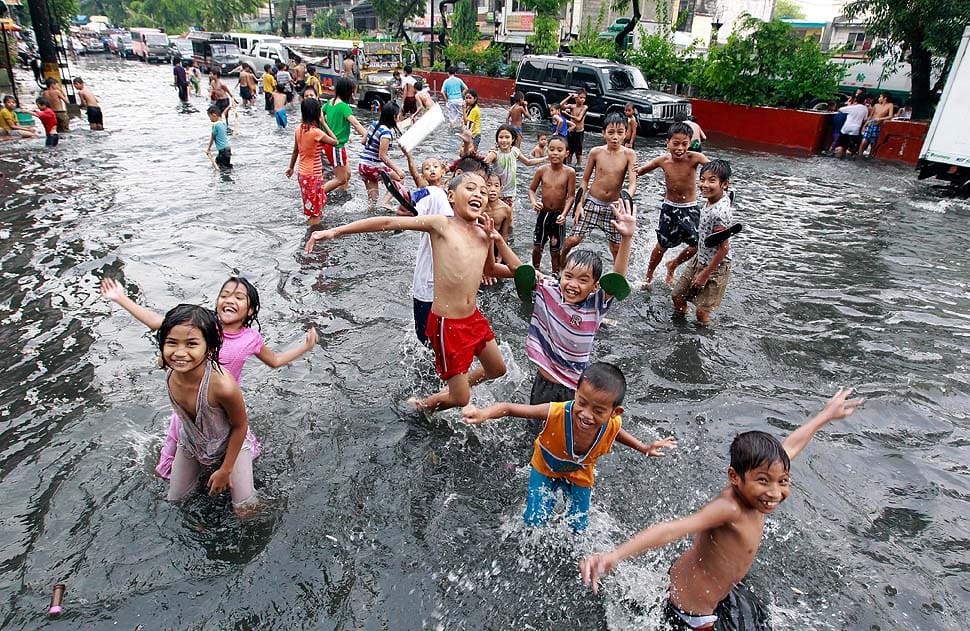
Weather shifts and plans move with it. Routes change and people take a different path without hesitation. Delays happen, and no one treats them as a disruption that needs to be corrected. What stands out is not the change itself, but the response to it.
There is little resistance. Little urgency to control the situation. Things are allowed to move as they are, and people adjust around them. For travellers used to structured environments, this is where the difference becomes noticeable. The instinct is to question or correct what is not working. But here, the pattern is not correction. It is adjustment.
This creates a quiet resilience that does not need to be explained. Things continue to function, not because everything is controlled, but because people are used to adapting.
6. Movement Shapes Identity and Perspective
Another important Philippines travel insight is how movement shapes identity.
The Philippines is not a place where people stay in one fixed environment. Movement is constant. Between provinces, cities, and countries.
not occasionally, but as part of normal life. You will meet people with family working overseas (OFWs), people who have moved multiple times for work or education.
You will meet people with family working overseas. People who have moved multiple times for work or education. People who shift between languages and environments depending on where they are. This is not unusual. It is expected. And that changes how people see the world.
For many travellers, movement is temporary. You travel, then you return to a stable base. Your identity stays mostly the same. The environment changes, not you.
In the Philippines, it works differently. Movement is not separate from identity. It becomes part of it. People learn to adjust quickly. To read situations faster. To connect across differences without needing everything to feel familiar. You see this in how conversations start easily, how questions are asked without hesitation, and how people move between roles depending on where they are.
For some travellers, this can be easy to overlook. You might interpret it as friendliness or curiosity. And that is partly true. But it is also adaptation shaped by experience. When movement is part of life, you become more open to people who are also moving through unfamiliar spaces.
At the same time, this is where some foreign travellers misread the situation. You arrive, observe briefly, and assume you understand the place. But you are seeing people who are already used to adjusting. Used to navigating different environments. Used to meeting people from outside.
The ease you experience is not because the environment is simple. It is because the people are experienced in handling difference. And that distinction matters.
7. Everyday Life Reveals More Than Tourist Spots
This is where most Philippines travel insights either come together or get completely missed, especially for travelers focused only on destinations. The real understanding does not come from the places people travel for. It comes from what happens in between them.
Tourist spots are easy to interpret. They are designed to be seen, photographed, and remembered. They give you something clear to react to. But they do not explain how life actually works. Everyday life does. You start to notice it in situations that most visitors ignore:
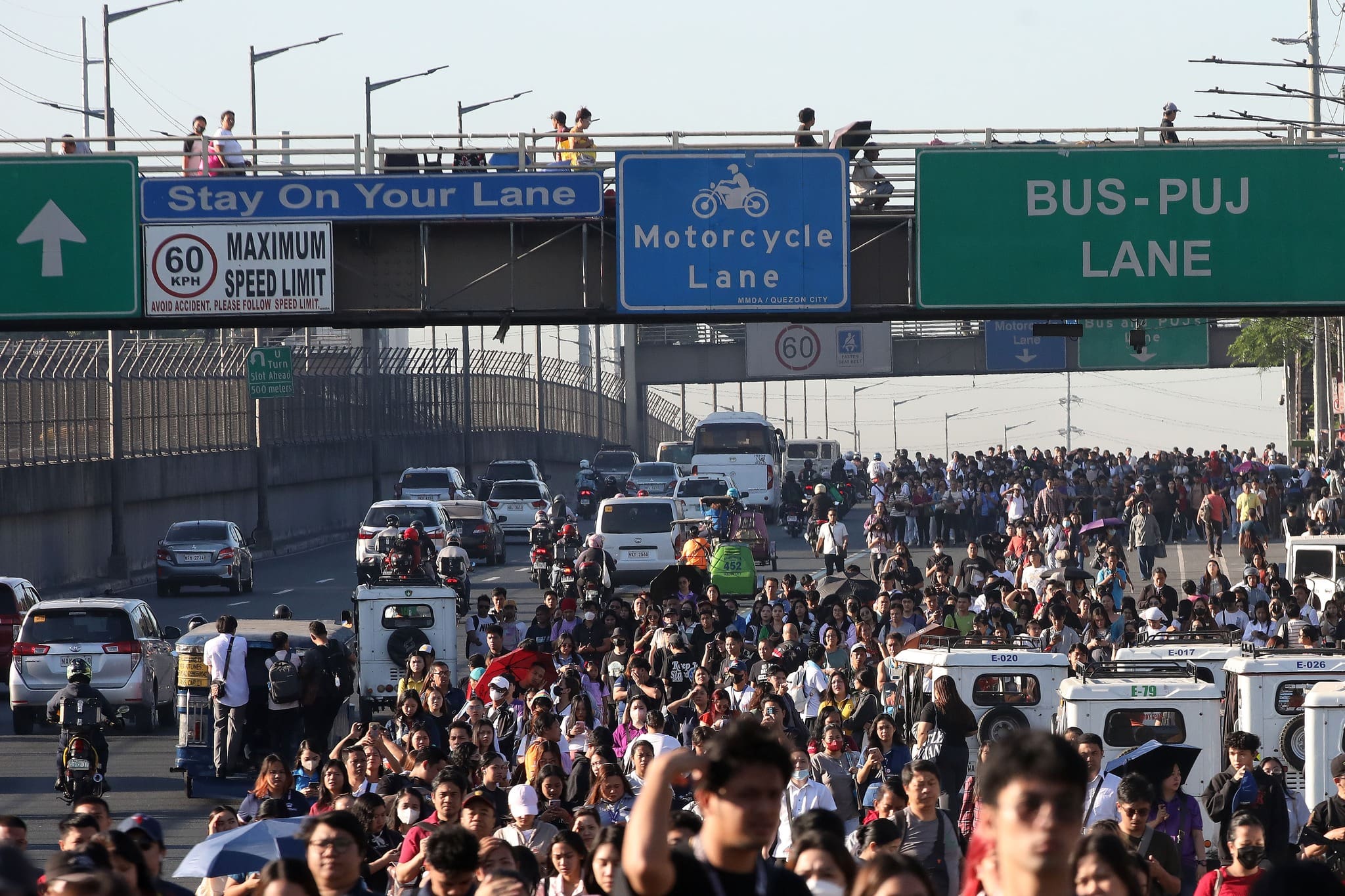
- Waiting without visible frustration.
- Conversations that continue without needing a reason.
- Plans that shift without turning into a problem.
- People adjusting quietly instead of pushing back against what is inconvenient.
This is where the difference becomes obvious. In more structured environments, inconvenience is often treated as something that needs to be fixed immediately. In the Philippines, it is often absorbed first. Not because people do not notice it, but because reacting to it is not always the priority. This creates a kind of calm that can feel confusing at first.
To some travellers, it looks like passivity. To others, it looks like patience. In reality, it sits somewhere in between. It is a mix of tolerance, adaptation, and choosing where to place energy.
But this is only one side of it. The Philippines is also one of the most active countries when it comes to phone use and social media. People are constantly connected. Conversations move online as much as they do in person. Information spreads quickly. Opinions form fast. And reactions, especially collective ones, can escalate just as quickly.
So you end up with a contrast that many travellers do not expect. Offline, things can feel relaxed, flexible, and unhurried. Online, the same people can be highly expressive, reactive, and unified. What looks calm on the surface does not mean there is no awareness underneath.
This is where deeper observation matters. You might see someone wait quietly in a long line without complaint, then later engage actively in online discussions about something that matters to them. You might experience slow movement in a process, but fast response in communication when something is shared digitally.
It is not inconsistent. It is contextual. And this is where many travellers get it wrong. They assume what they see in one setting applies to everything. They mistake calm behaviour for lack of awareness. They mistake flexibility for lack of structure. They mistake friendliness for simplicity.
But everyday life shows something else. Resilience is not always loud. It is not always presented as strength. In the Philippines, it often shows up as continuity. Life keeps moving. Adjustments are made. Situations are handled without needing to be highlighted.
At the same time, not everything is ideal. Delays can be real. Systems can feel inconsistent. Communication can require more attention. These are not things to ignore or romanticize. They are part of the experience.
But they exist alongside something else. A strong sense of social awareness. A willingness to help. An ability to adjust quickly. A way of moving through daily life that prioritizes people over process, even when it creates inefficiency.
This balance is what most travellers struggle to define. Because it does not fit into simple categories like good or bad. It is both. And understanding that requires more than visiting places. It requires paying attention to how life actually works when nothing special is happening.
That is where the most accurate Philippines travel insights are found.
This is where all Philippines travel insights come together. Not in major attractions, but in daily life. You begin to notice:
- how people wait
- how they respond to inconvenience
- how they interact in small moments
- how they carry themselves without performance
These details are quiet, but they repeat. And over time, repetition reveals pattern. Pattern leads to understanding.
What Are You Really Looking For When You Travel?
This is where the experience shifts, and most people do not even realize it is happening.
At some point during the trip, usually in a quiet moment when nothing significant is going on, you start to notice something uncomfortable. Not about the place, but about yourself. The way you move, the way you expect things to work, the way you react when they don’t.
The Question That Changes Everything
- What are you actually looking for when you travel?
- Not the version you say out loud. The real one.
- Are you trying to see as much as possible, to feel like the trip was worth it?
- Are you collecting places, photos, and experiences that can be remembered, or even shown later?
- Or are you trying to understand how people live in a place that does not operate like your own?
Because those are not the same thing. If your goal is to see and complete, then the Philippines can feel inconsistent. Plans shift, timing stretches, and things do not always follow a predictable structure. You might find yourself comparing, questioning, even getting frustrated at how things could be “better” or more efficient.
But if your goal shifts, even slightly, from completion to understanding, something else happens. You begin to notice patterns instead of problems. You see why conversations are not rushed. You understand why help is offered without being formal. You start to recognize that what feels inefficient is often just operating on a different priority.
And this is where most Philippines travel insights start to make sense. The place does not adjust to you. You adjust to the place. And once that happens, the experience becomes less about managing expectations and more about observing reality as it is. Not polished. Not optimized. Just lived.
Most travellers leave with proof that they were there. Photos, locations, stories. Some leave with something harder to explain. A shift in how they see people, time, and behavior.
The difference is not intelligence. It is not experience. It is attention.
So the question is simple, but it stays with you longer than expected. When you travel, are you trying to confirm what you already know? Or are you willing to notice what does not fit?
Final Reflection: What Most Travellers Leave With
The Philippines is not difficult to visit, but it is easy to misunderstand. Most travellers leave with memories. Photos, locations, and experiences that can be easily described. Some leave with something less visible.
A shift in how they interpret behavior. A different tolerance for unpredictability. A deeper awareness of how people move through life when systems are not always structured. The place does not adjust to the traveller. The traveller adjusts to the place. And what you take from the experience depends on how much you are willing to notice. That awareness is what separates surface-level travel from deeper Philippines travel insights.
This layered way of communicating is closely tied to core Filipino values like pakikisama; the desire to get along and maintain harmony and hiya, which helps regulate social interactions with care and respect. For a deeper dive into these concepts, the National Commission for Culture and the Arts (NCCA) offers reliable resources that document Filipino social behavior and cultural norms.