Australian Alps: The Misunderstood Snow Country Hiding in Plain Sight

Reading Time: 17 minutes

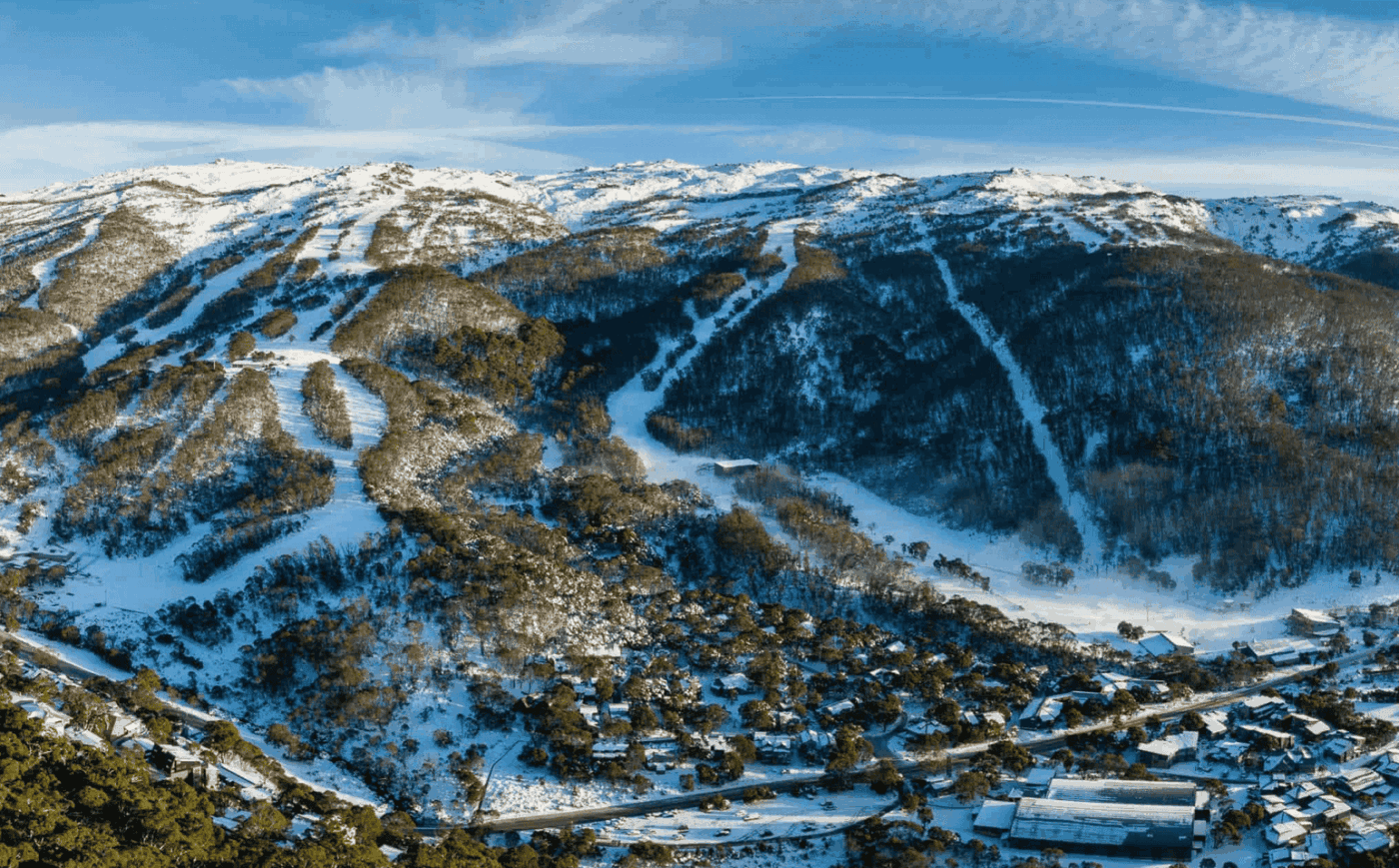
The Australian Alps are a mountain range system spanning southern New South Wales, north-eastern Victoria and the Australian Capital Territory, forming the highest and coldest section of the Great Dividing Range. They contain Mount Kosciuszko, mainland Australia’s highest peak, along with the Snowy Mountains, the Victorian High Country and Namadgi National Park, and they support a genuine ski season, alpine ecosystem and tourism industry that most people outside Australia do not know exists.

Most people outside Australia do not know the country has mountains, let alone snow. The national image was decided decades ago by beaches, deserts and heat, and that image has been repeated so often it now functions as fact rather than impression. The Australian Alps sit outside that image entirely, which is exactly why the claim that they receive more snow than Switzerland keeps resurfacing online, usually as a piece of trivia designed to provoke disbelief. The claim is not simple, and it is not a lie either. Understanding why requires looking past the headline and into how snow, geography and reputation actually work, and what the gap between them reveals about how countries get flattened into single ideas.

NOTE: This article has been fully revised from its original version. Everything below reflects current conditions, verified facts, and updated practical details as of this revision.

Table of Contents

What Are the Australian Alps

Unlike the Swiss Alps, the Australian Alps are not a single jagged, continuous spine. They are an older, more eroded mountain system, worn down over hundreds of millions of years into a broader landscape of high plateaus, rounded summits and river valleys rather than sharp peaks. The highest point, Mount Kosciuszko at 2,228 metres, sits within Kosciuszko National Park, and the wider range extends from there through the Victorian High Country to Namadgi National Park in the ACT.

This difference in formation matters more than it first appears. The Australian Alps are ancient and eroded, worn down over hundreds of millions of years, which is why they lack the jagged, dramatic peaks people associate with alpine terrain. Switzerland’s mountains are young by comparison, still geologically active, and shaped into sharp ridgelines and steep faces. Visitors who arrive expecting a miniature version of the Swiss Alps are measuring the wrong thing. The Australian Alps are not a smaller version of Europe’s mountains. They are a different kind of mountain system entirely, and judging them by European geography is the first mistake most people make before they have even left the car park.

The Switzerland Snowfall Claim, Explained
Snow-capped alpine mountains under a clear blue sky

The Switzerland Snowfall Claim, Explained Properly

Why a true statistic can still be misleading and how context changes the story.

The pattern worth noticing: this is less a story about meteorology and more a story about how statistics travel. A true but narrow fact gets stripped of its conditions as it moves from a report, to an article, to a social post, until only the surprising part survives. The Australian Alps did not need to exaggerate anything to become interesting. The exaggeration happened in transmission, not in the mountains themselves.

The claim that the Australian Alps receive more snow than Switzerland is technically defensible in specific, narrow terms but it is frequently repeated without the context that makes it meaningful. It usually refers to average annual snowfall measured at particular resort elevations over a season, not to total snow reliability, snow depth at any given moment, ski season length, or the overall scale of alpine terrain.

Switzerland’s resorts sit at much higher base elevations, often above 1,500 to 2,000 metres, where cold temperatures lock snow in place for months. Australian resorts sit lower, generally between 1,300 and 1,800 metres, in a temperate climate zone influenced by the Southern Ocean and the Tasman Sea, which means the snowpack is more volatile and melts and refreezes far more often within a single season.

The honest version of the claim is this: in some seasons and at some measurement points, cumulative snowfall totals in parts of the Australian Alps have matched or exceeded comparable figures from certain Swiss locations, largely because Australian storms can dump large volumes of snow in short, intense bursts.

What that statistic does not capture is consistency. Switzerland’s high-altitude cold holds snow through winter with far less variability. Australia’s snow season is shorter, less predictable year to year, and more exposed to rain events that strip snow cover within days.

“The claim is not false. It is incomplete, and incompleteness is exactly the kind of half-fact that spreads fastest, because it is surprising enough to share and vague enough to survive scrutiny.”

The pattern worth noticing: this is less a story about meteorology and more a story about how statistics travel. A true but narrow fact gets stripped of its conditions as it moves from a report, to an article, to a social post, until only the surprising part survives. The Australian Alps did not need to exaggerate anything to become interesting. The exaggeration happened in transmission, not in the mountains themselves.

The Full Picture

Annual snowfall is only one piece of the story. Consistency, season length, and predictability matter just as much — and that’s where the two regions diverge.

🇨🇭 Switzerland

  • Base elevation: 1,500 – 2,000 m
  • Cold temperatures lock snow in place
  • Long, consistent season
  • High snow retention
  • Reliable year after year

🇦🇺 Australian Alps

  • Base elevation: 1,300 – 1,800 m
  • Temperate, volatile snowpack
  • Shorter, less predictable season
  • Frequent melt / refreeze cycles
  • Exposed to rain events

Snowfall shows comparable totals, but retention, season length, predictability, and elevation reveal the real difference.
Geography and Climate: Why the Australian Alps Behave Differently

Snowfall in the Australian Alps is driven primarily by orographic lift, the same basic mechanism that produces snow in most mountain ranges. Moist air moves inland from the Southern Ocean and the Tasman Sea, is forced upward as it meets the elevated terrain of the Great Dividing Range, cools as it rises, and releases precipitation as snow once temperatures drop low enough. The difference between this system and Switzerland’s is the source and consistency of the moisture. Switzerland sits deep within a continental landmass, drawing on Atlantic weather systems that interact with a much higher and more continuous mountain barrier, producing longer, colder, more stable winters.

Australia’s alpine region is comparatively isolated, surrounded by lower terrain and warmer air masses, and sensitive to broader climate patterns like the El Niño-Southern Oscillation, which can swing a season from heavy snowfall to a poor one with very little warning. This is why locals talk about snow seasons in Australia the way people elsewhere talk about harvests, as something that varies significantly year to year rather than something guaranteed by the calendar. The Australian snow season typically runs from June to early October, though the reliable, resort-quality window is usually July through September, and even that window has become measurably less predictable over the past few decades.

There is a second geographic factor that rarely gets mentioned in casual comparisons, which is latitude. Switzerland sits at roughly 46 to 47 degrees north, deep in the mid-latitudes where cold continental air masses are common through winter. 

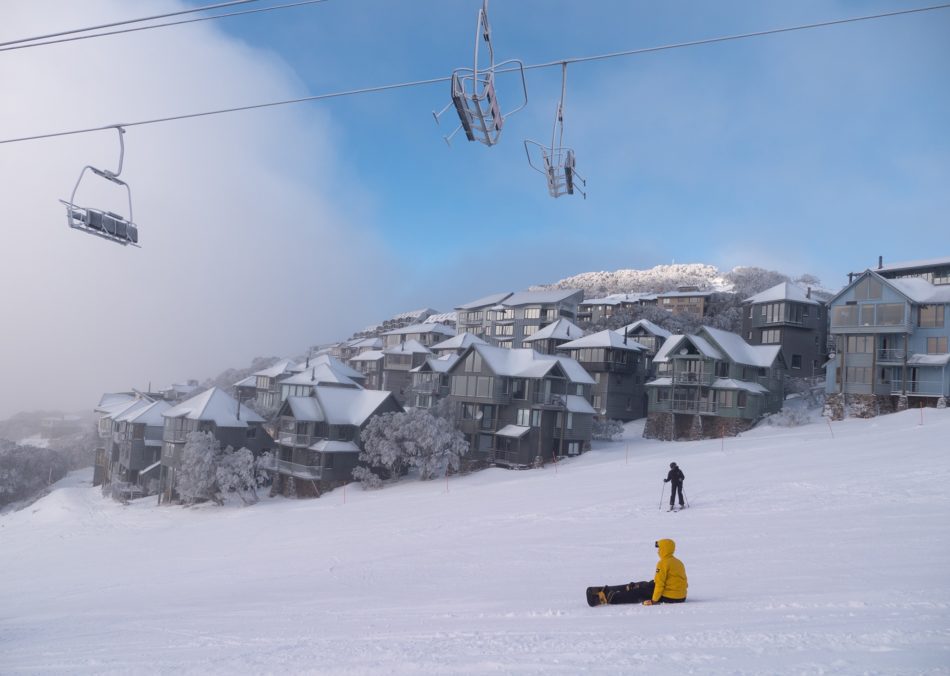
Australian Alps ski village at Mount Hotham with snow-covered lodges and chairlifts during winter
Snow-covered lodges and chairlifts at Mount Hotham showcase the unique alpine villages of the Australian Alps, where Australia's winter landscape offers a very different side of the country than most visitors expect.

The Australian Alps sit at around 36 to 37 degrees south, considerably closer to the equator in relative terms, which means the baseline air temperature moving into the range is warmer before it ever reaches elevation.  The mountains compensate for this through height and exposure, but the margin for error is thinner. A slight shift in a storm’s temperature profile can be the difference between a heavy snowfall and a cold, miserable rain event, which is part of why Australian ski seasons feel less predictable than their European or North American counterparts even in years with strong storm activity.

Snowmaking has become an increasingly important part of managing this unpredictability. Every major Australian resort now operates snowmaking infrastructure that supplements natural falls, particularly early and late in the season, and this investment is one of the clearest signs that the industry itself does not treat natural snowfall as reliable enough to build a season around. Switzerland’s resorts use snowmaking too, but as a supplement to a naturally long and cold season rather than as a structural requirement for opening on schedule. This difference in reliance is a more honest measure of the gap between the two regions than any single seasonal snowfall total.

Why the Australian Alps Are So Widely Misunderstood

The misunderstanding is not really about snow. It is about how national identity gets built and then defended. Australia’s global image was constructed around sun, coastline and heat long before ski tourism existed as an industry, and that image has enormous cultural inertia. Once a country is filed under a single idea in someone’s mind, contradicting information tends to get dismissed as a novelty rather than absorbed as a correction. This is why the Australian Alps get treated as a quirky fact rather than a real, functioning alpine region with its own resorts, ecology, history and tourism economy.

There is also a domestic version of this misunderstanding. Many Australians who have never left the coast underestimate their own country’s alpine terrain, partly because the education system rarely emphasises it and partly because the beach dominates the national self-image just as much as it dominates the international one. This is the same gap between exported image and lived reality covered in our guide to moving to Australia, where the sun-and-surf version of the country rarely survives contact with actually living here. The Snowy Hydro Scheme, one of the largest engineering projects in Australian history, was built through this exact region in the mid-twentieth century, moving entire towns and reshaping the water and power systems of south-eastern Australia, and it still surprises people to learn that this level of infrastructure exists in what they assumed was a flat, dry country.

Explore Further → Cost of Living in Australia for Migrants: The Brutal Truth Most Guides Won’t Tell You

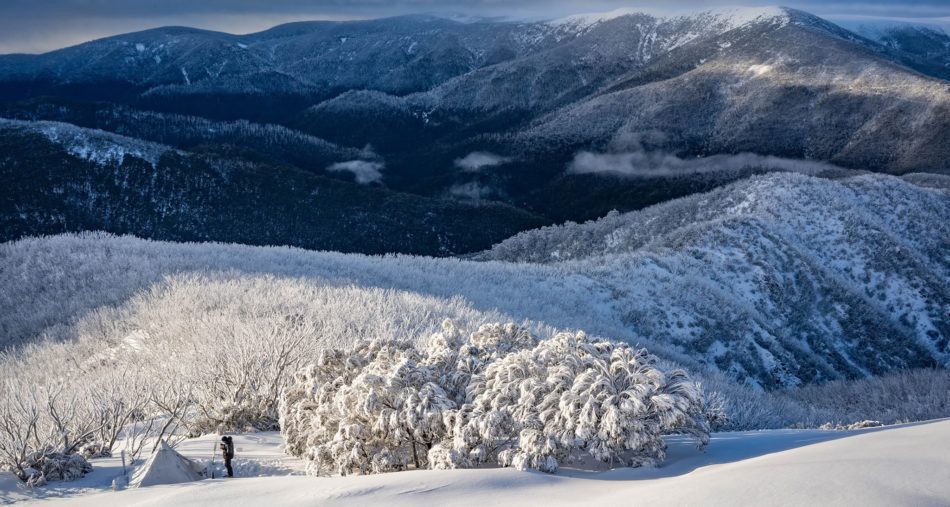
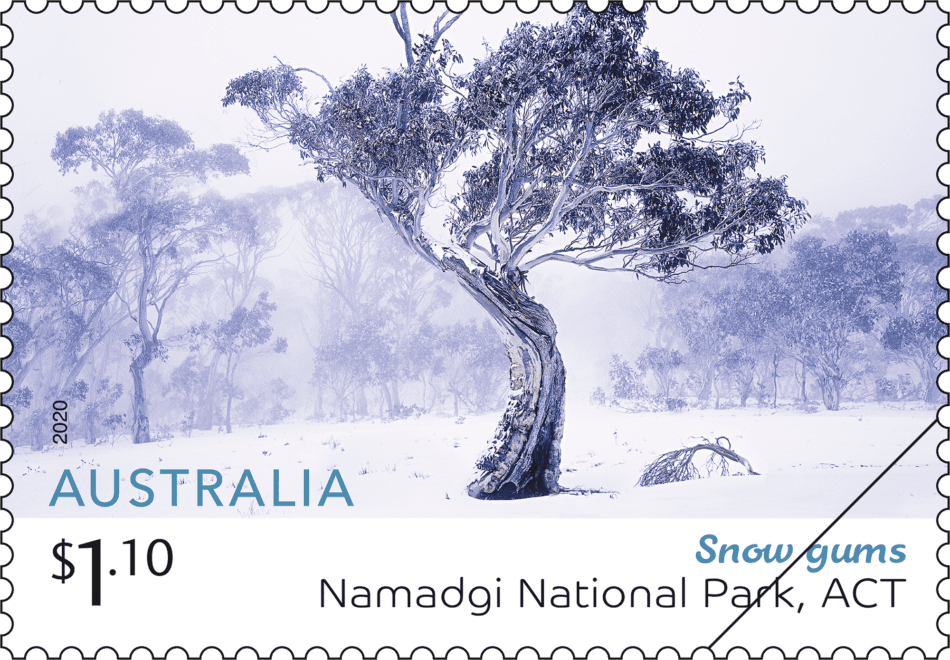
Snow gums in the Australian Alps at Namadgi National Park during winter
Snow gums are one of the most distinctive features of the Australian Alps, surviving harsh alpine winters across Namadgi National Park and other high-country landscapes.
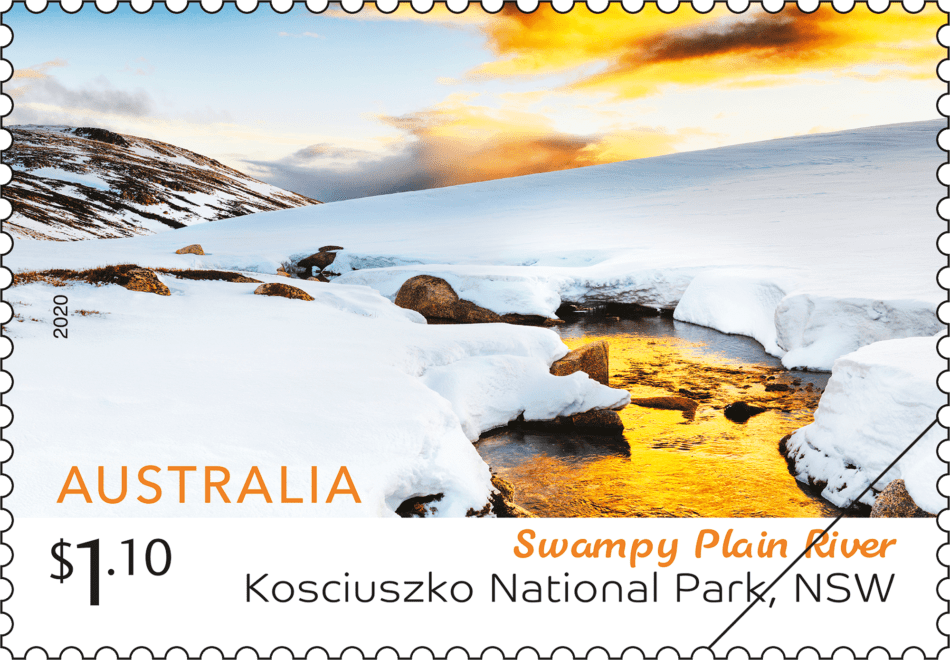
Swampy Plain River in the Australian Alps at Kosciuszko National Park during winter
The Swampy Plain River flows through Kosciuszko National Park, highlighting the Australian Alps as a diverse alpine landscape shaped by snow, rivers and unique ecosystems beyond its ski resorts.

The Ecology and Indigenous History of the Australian Alps

The Australian Alps are not just a snow story. For thousands of years before European settlement, Aboriginal groups from across south-eastern Australia, including the Ngarigo, Monero and Walgalu peoples, travelled into these mountains each summer to harvest Bogong moths, which migrate to the high country in vast numbers and cluster in rock crevices to escape the heat of the lowlands. This annual gathering brought together groups from different regions for trade, ceremony and shared feasting, making the Alps a site of cultural and social significance long before they had any association with skiing at all, a history documented by the Australian Alps National Parks Co-operative Management program, the body that jointly manages the range across all three jurisdictions. This history rarely appears in ski marketing, but it is a more accurate starting point for understanding the region than any comparison to Switzerland.

Ecologically, the Australian Alps are unusual because they sit at the edge of what alpine conditions can support on a continent that is otherwise dominated by heat and aridity. The high plains contain sphagnum bogs, ancient snow gums twisted by wind and cold, and species found nowhere else, including the critically endangered corroboree frog, which breeds only in the alpine bogs of this specific region. Feral horses, known locally as brumbies, are a persistent point of tension in the region, valued by some as part of the area’s frontier history and criticised by ecologists for the damage their grazing and trampling causes to fragile alpine wetlands. Understanding this debate gives visitors a more accurate picture of the Alps as a living, contested landscape rather than a static postcard backdrop.

The Snowy Mountains Scheme and the Making of Modern Australia

The Snowy Mountains Hydro-electric Scheme, built through this exact region between 1949 and 1974, is one of the most significant engineering and social projects in Australian history, and it explains why the Snowy Mountains occupy a different place in the national psyche than the Victorian High Country does. The scheme diverted water from the Snowy River through a network of tunnels, dams and power stations to generate electricity and irrigate the Murray-Darling Basin, reshaping the water systems of south-eastern Australia permanently. Entire towns, including the original Adaminaby, were relocated or submerged to make way for the project, and the physical landscape of the Snowy Mountains today, its lakes, access roads and infrastructure, is largely a byproduct of this construction era rather than a purely natural feature.

The workforce that built it is arguably the more important part of the story. Roughly a hundred thousand people worked on the scheme over its construction period, and around two thirds of them were migrants, many arriving directly from post-war Europe under Australia’s expanded immigration program. Workers came from more than thirty countries, and the construction camps became one of the first genuinely multicultural workplaces in the country’s history, at a time when Australia’s population was still overwhelmingly Anglo-Celtic. Historians and commentators frequently point to the Snowy Scheme as an early, practical example of the multiculturalism that would later become official policy, built not through legislation but through shared labour in one of the harshest working environments in the country. For a site now associated primarily with ski holidays, that history sits underneath almost every road, dam and tunnel a visitor passes through, and it rarely makes it into standard tourism material.

Snow-covered mountain landscape in the Australian Alps near the Snowy Mountains Hydro Scheme
A winter panorama of the Australian Alps highlights the rugged mountain terrain that surrounds the Snowy Mountains Hydro Scheme, one of Australia's greatest engineering and migration stories.
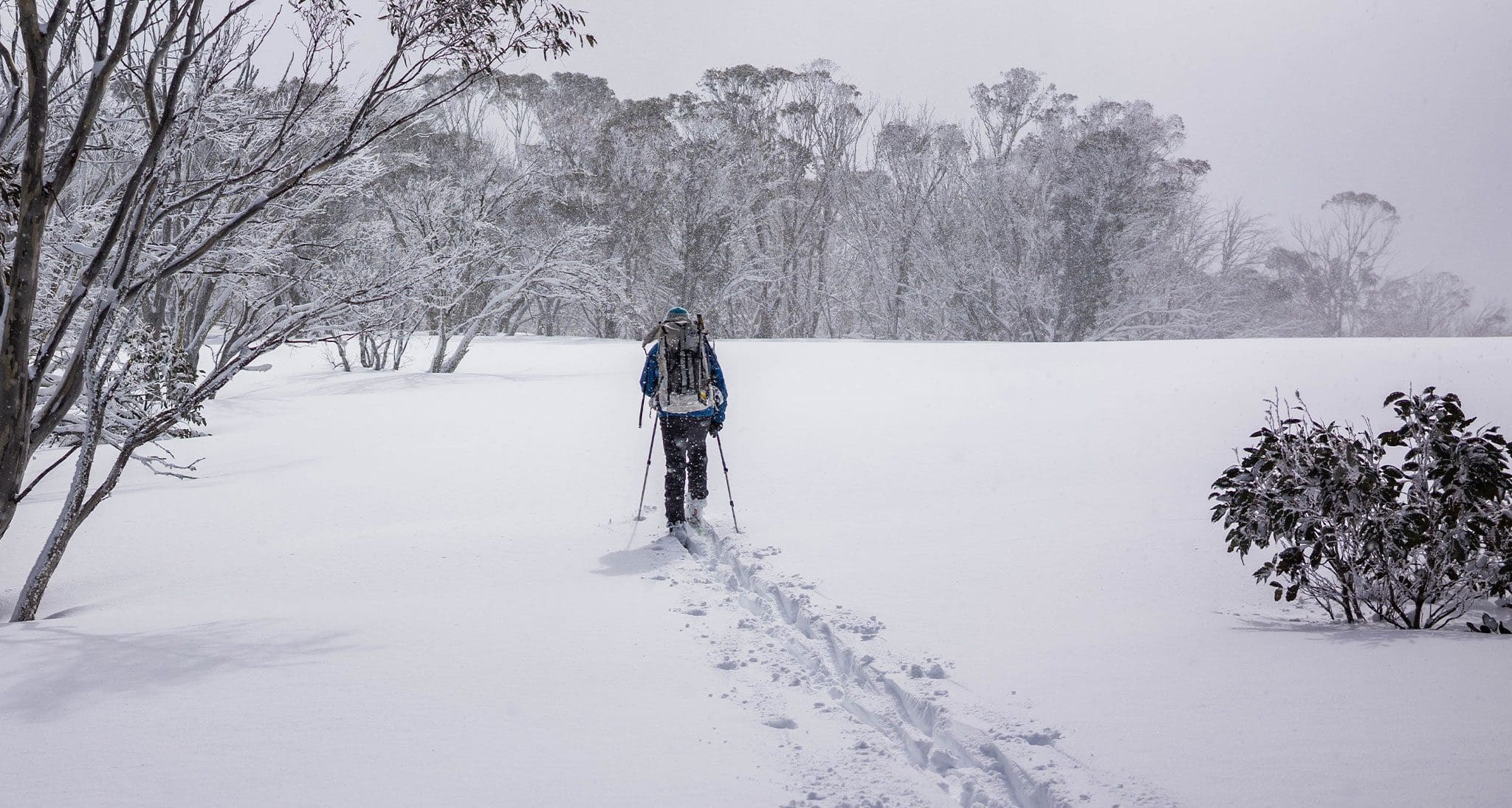
Hiker walking through snow in the Australian Alps during winter
Winter hiking reveals a quieter side of the Australian Alps, where snow-covered forests and alpine landscapes reflect the region's natural beauty beyond its ski resorts.

Major Alpine Regions and Resorts

The Australian Alps span two states and a territory, and each area has a distinct character rather than being interchangeable versions of the same experience.

In New South Wales, Kosciuszko National Park contains the highest terrain on the mainland and holds three resorts that sit at very different points on the same spectrum, from Perisher’s scale and variety down to Charlotte Pass’s near-total isolation once the winter road closes. Which one suits a traveller says more about what they actually want from a mountain trip than any ranking could.

In Victoria, the High Country resorts of Falls Creek, Mount Hotham and Mount Buller are connected by the Great Alpine Road, one of the most scenic drives in the country and a genuine reason to visit even outside snow season. The three split cleanly along skill level and proximity to Melbourne, a distinction that matters more for trip planning than most visitors realise until they have already booked the wrong one.

Namadgi National Park in the ACT is less developed for tourism and more significant for its alpine ecology, conservation programs and hiking access, offering a version of the Australian Alps aimed at people who want the landscape without the resort infrastructure.

📍 New South Wales

Perisher

👨‍👩‍👧‍👦 Families and groups wanting variety

Largest ski resort in the Southern Hemisphere by lift-served terrain, built as connected villages rather than one town.

Thredbo

🥾 Genuine alpine village atmosphere

Steeper valley, more vertical drop, strong summer season for mountain biking and hiking.

Charlotte Pass

❄️ Quiet, old-fashioned character

Smallest and most remote, accessible only by oversnow transport in winter.

📍 Victoria

Falls Creek

⛷️ Reliable intermediate terrain

Ski-in ski-out village layout, connected to other High Country resorts via the Great Alpine Road.

Mount Hotham

💪 Expert and challenging terrain

Reputation for terrain and weather that reward experience over ease.

Mount Buller

🚗 Day trips from Melbourne

Closest major resort to Melbourne, most accessible but also most crowded on weekends.

📍 Australian Capital Territory

Namadgi National Park

🌿 Landscape without resort infrastructure

Less developed for tourism, more significant for alpine ecology, conservation and hiking access.

When to Visit the Australian Alps

The Australian snow season runs roughly from June to early October, with July and August generally offering the most reliable snow cover and the coldest, most stable conditions. Late June can be unpredictable, with resorts sometimes opening on a mix of natural and machine-made snow, and September often brings a spring-skiing character with warmer days and softer snow that suits a different kind of traveller than the mid-winter crowd. Outside the snow season, the Australian Alps operate as a genuine warm-weather destination, with hiking, mountain biking and wildflower season through summer and early autumn drawing a different, often quieter visitor base than the ski crowds.

This dual identity, cold-weather resort in winter and alpine wilderness destination in summer, is something most first-time visitors do not plan for. Booking a winter-only mental model of the region means missing an entirely separate season with its own value, particularly for travellers who want the scenery and the physical challenge of alpine terrain without the cost and crowding of peak snow season.

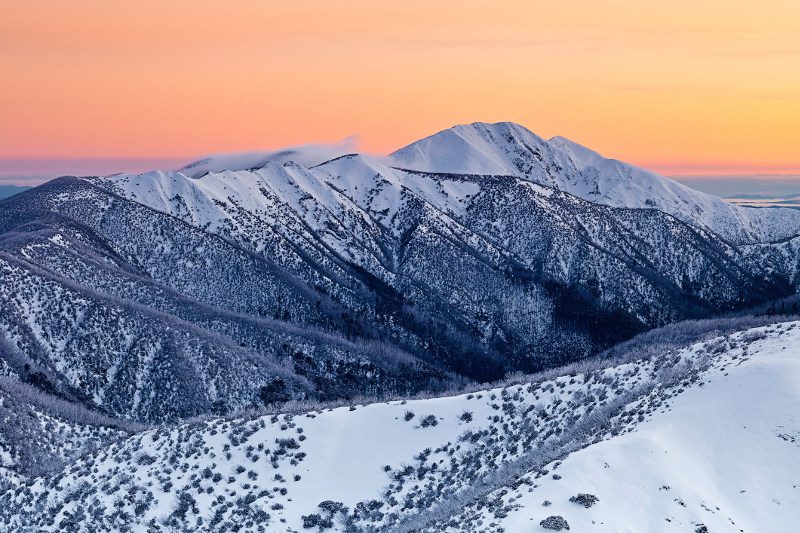
Mount Feathertop in the Australian Alps covered in snow during winter
Mount Feathertop is one of the highest peaks in the Australian Alps, offering dramatic alpine scenery and some of Australia's most rewarding winter and hiking experiences.
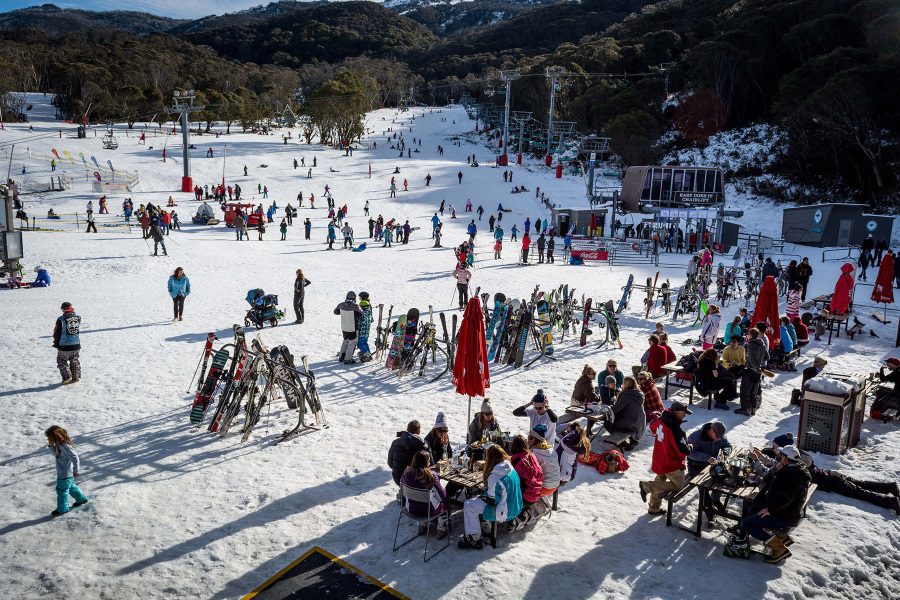
Skiers enjoying the Australian Alps during the peak winter snow season
The Australian Alps attract thousands of visitors each winter, with July and August offering the most reliable snow conditions for skiing, snowboarding and alpine adventures.

How to Get to the Australian Alps

Access depends heavily on which side of the range a traveller is approaching from, and the same logistics that apply to getting around Australia more broadly, long distances, limited public transport outside major corridors, apply here in a more extreme form. The NSW resorts are typically reached by road from Canberra or Sydney, with driving times of roughly two to six hours depending on the starting point and conditions, and snow chains are a legal requirement in designated areas during the season regardless of vehicle type. The Victorian resorts are generally reached from Melbourne, with Mount Buller the closest at around three hours and Falls Creek and Mount Hotham further, closer to four to five hours, often via the Great Alpine Road itself, which is worth treating as part of the experience rather than an obstacle to it.

Public transport and shuttle options exist to most major resorts during the season, but they are less frequent and less flexible than driving, and travellers relying on them should build in more time than they expect to need. Road conditions in winter can change quickly, and checking real-time alpine road reports before departure is a habit worth building rather than an optional precaution.

Most NSW and Victorian alpine resorts also require a park entry pass or resort entry fee on top of any lift ticket, a cost that catches first-time visitors off guard when it is not factored into trip budgeting in advance. These fees fund park maintenance and road clearing rather than the ski infrastructure itself, and they apply whether a visitor is skiing, sightseeing or simply driving through, which is worth knowing before assuming a day trip will be free once fuel is accounted for.

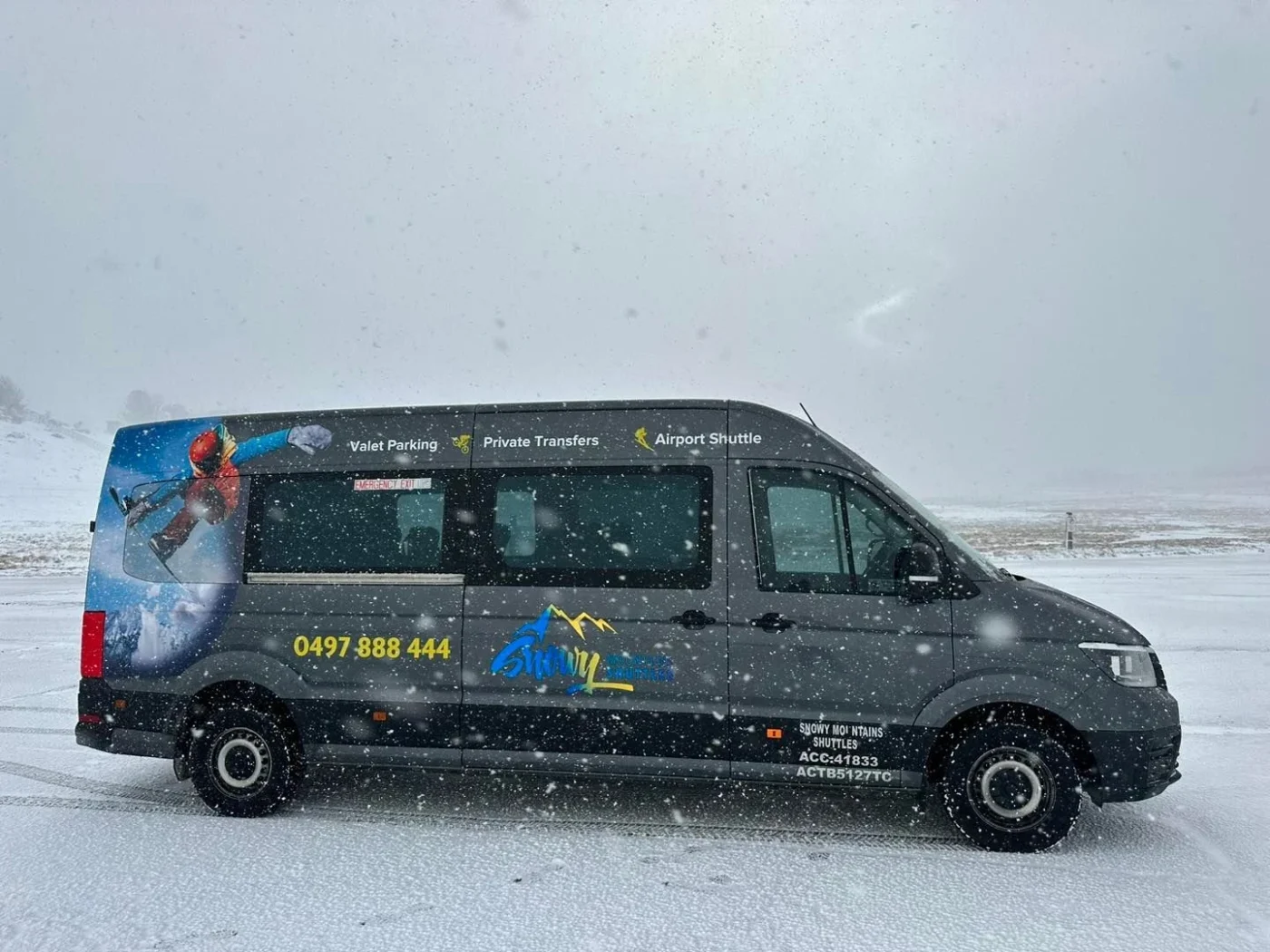
Snow shuttle bus travelling through the Australian Alps during winter
Snow shuttle services provide a practical way to reach major destinations across the Australian Alps, especially during winter when snow chains, alpine road conditions and seasonal access require careful planning.

Climate Change and the Future of the Australian Snow Season

The Australian Alps sit close to the lower elevation and latitude threshold required for consistent snow, which makes them more exposed to a warming climate than higher, colder ranges like the Alps of Europe. Long-term monitoring by the Bureau of Meteorology has recorded a measurable decline in average snow depth and season length across the Snowy Mountains and Victorian High Country over recent decades, with the trend most pronounced at the lower-elevation edges of the resort areas rather than at the highest points. This is not a dramatic, single-year collapse, it is a gradual erosion of margin in a system that had very little margin to begin with.

The practical effect for travellers is a growing reliance on snowmaking to open and maintain terrain, particularly in the early and late weeks of the season, and a widening gap between a strong snow year and a weak one. Resorts have responded by investing heavily in snowmaking capacity and by diversifying into summer tourism, mountain biking, hiking and event calendars, treating the winter season as one part of a broader year-round business rather than the sole source of revenue it once was. For a traveller deciding when to book, this means the safest strategy is no longer simply picking a date in the traditional peak months and assuming reliable cover. It means checking recent seasonal snow reports before committing, staying flexible on exact dates where possible, and treating July and August as the highest-probability window rather than a guarantee.

What Travellers Consistently Get Wrong

The most common mistake, the kind covered in more general terms in our before you go planning guide, is treating the Australian Alps as a smaller, lesser version of a European ski trip rather than assessing it on its own terms. The terrain is genuinely different, the snow behaves differently, and the infrastructure, while real and well developed by Southern Hemisphere standards, is smaller in scale than the resort systems of the Alps or the Rockies. Travellers who arrive expecting Chamonix or Zermatt tend to leave disappointed, not because the Australian Alps failed to deliver what they promised, but because the traveller was comparing it to something it was never trying to be.

The second mistake is underestimating cost and crowding. Because the Australian ski season is short and the domestic market is relatively small in international terms, prices for lift passes, accommodation and equipment hire can be high relative to the size and scale of the terrain, particularly during school holiday periods when domestic demand peaks sharply. Booking well outside these windows, or accepting a slightly less convenient date, is one of the simplest ways to avoid paying premium prices for a compressed, crowded experience.

The third mistake is packing and preparing as though the Australian Alps were a mild, low-stakes environment because the rest of the country is associated with heat. Alpine weather here can shift from clear skies to whiteout conditions within hours, particularly in exposed backcountry areas outside the patrolled resort boundaries, and every year search and rescue services respond to callouts involving underprepared hikers and skiers who treated the region as more forgiving than it is. Proper layering, waterproof outer gear, and checking conditions immediately before setting out are not optional extras in this environment, they are the baseline. Renting gear locally is usually more practical than travelling with it, since most resort towns have well-stocked hire shops that remove the need to fly with bulky equipment for what is often a short visit.

The fourth mistake is assuming the entire region operates on one price point and one type of accommodation. Resort-town lodges and hotels close to the lifts carry a significant premium, while towns positioned slightly further out, such as Jindabyne for the NSW resorts or Bright and Mount Beauty for the Victorian High Country, offer considerably cheaper beds with a short daily drive in exchange. For travellers prioritising value over ski-in convenience, basing a trip in one of these towns rather than directly at the resort is one of the more effective ways to control cost without reducing time on the mountain.

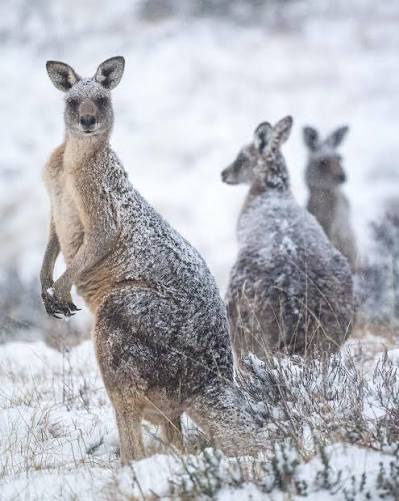
Snow-covered kangaroos in the Australian Alps during winter
Kangaroos living in the Australian Alps challenge the common belief that Australia's wildlife exists only in warm climates, adapting to snowy alpine conditions each winter.
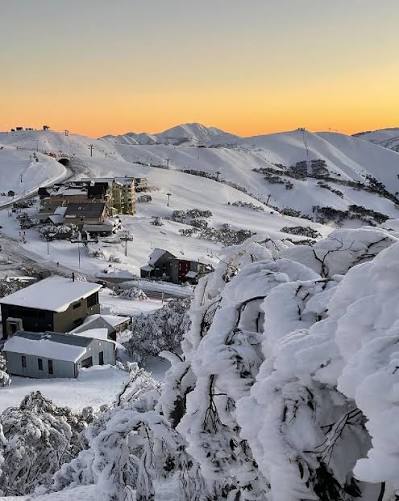
Australian Alps ski resort surrounded by snow-covered mountains at sunrise
Snow-covered alpine villages and ski resorts reveal a side of the Australian Alps that contrasts sharply with Australia's global image of beaches, deserts and tropical weather.

The Deeper Pattern: How Countries Get Reduced to One Image

The Australian Alps are a useful case study in something that happens to almost every country, which is the collapse of a complex, varied place into a single exportable idea, the same pattern explored across our wider Australia coverage. Australia became beaches, heat and wildlife in the global imagination because that image was simple, marketable and repeatable, and simple images travel further than accurate ones. The alpine region did not disappear. It was just never useful to the story being told, so it got filtered out of the version of Australia that reached the rest of the world.

This is not unique to Australia. Most countries carry a version of themselves that circulates internationally and a version that exists on the ground, and the gap between the two is usually widest in exactly the places, like alpine regions in a country known for beaches, that contradict the exported image most sharply. The interesting question is not whether the Australian Alps are impressive. It is why so much of the world has a fixed idea of a country that was never actually built from the whole picture, only from the parts that were easiest to package and sell.

Understanding this pattern changes how a traveller should approach any destination with a dominant reputation. The parts of a country that get left out of its marketing are frequently the parts worth investigating most closely, precisely because there was no commercial incentive to distort them for an audience. The Australian Alps were never built for a postcard. They exist because of geology, weather and engineering, and that is closer to the truth of the country than the version sold at the airport gift shop.

Conclusion

The Australian Alps are not a trivia answer. They are a real mountain system with their own geography, climate logic, resort culture and historical weight, sitting inside a country whose global reputation left no room for them. The Switzerland comparison is interesting precisely because it is half true, and the half that gets left out says more about how information spreads than it does about snow. Anyone planning a trip should judge the region on what it actually is rather than what it is being compared to, and anyone simply curious about the claim now has the context most articles leave out.

☕ If this article saved you a few hours of research, helped answer a lingering question, or made sense of something that wasn't entirely clear before, consider buying me a coffee. It helps keep the guides coming, the curiosity well caffeinated, and the occasional rabbit hole worth exploring.

☕ Buy Me a Coffee
Frequently Asked Questions
Do the Australian Alps really get more snow than Switzerland?

In specific, narrow comparisons of average seasonal snowfall totals at particular measurement points, parts of the Australian Alps have recorded figures comparable to or higher than some Swiss locations. This does not mean Australia has more reliable, deeper or longer-lasting snow overall. Switzerland's higher elevation and continental climate produce far more consistent snowpack across a longer season, while Australia's totals can come from intense but shorter, more variable snow events.

What is the highest point in the Australian Alps?

Mount Kosciuszko, at 2,228 metres, is the highest peak on the Australian mainland and sits within Kosciuszko National Park in New South Wales. It is a relatively accessible summit compared to peaks of similar prominence elsewhere in the world, with a well-formed walking track from Charlotte Pass or Thredbo in summer.

Which states contain the Australian Alps?

The Australian Alps extend across New South Wales, Victoria and the Australian Capital Territory, forming the highest section of the Great Dividing Range. Key areas include Kosciuszko National Park and the Snowy Mountains in NSW, the Victorian High Country, and Namadgi National Park in the ACT.

When is the best time to visit the Australian Alps for snow?

July and August generally offer the most reliable snow cover and coldest conditions within the official season, which runs from June to early October. Late June can be inconsistent as the season establishes, and September tends to bring warmer, softer spring-skiing conditions.

Can you visit the Australian Alps outside ski season?

Yes, and many travellers overlook this entirely. Summer and early autumn bring hiking, mountain biking and wildflower season across the same terrain, with significantly lower costs and crowds than the winter months, making it a genuinely separate travel experience rather than an off-season compromise.

What is the biggest ski resort in the Australian Alps?

Perisher, in Kosciuszko National Park, New South Wales, is the largest ski resort in the Southern Hemisphere by lift-served terrain, made up of several connected villages rather than a single base area.

Is climate change affecting snow in the Australian Alps?

Yes, long-term monitoring shows a gradual decline in average snow depth and season length across the region, particularly at lower elevations. Resorts have responded by expanding snowmaking capacity and building year-round tourism around hiking and mountain biking, and travellers are increasingly advised to check recent seasonal snow reports rather than assume traditional peak months guarantee reliable cover.

What is the history of the Snowy Mountains Scheme?

The Snowy Mountains Hydro-electric Scheme was built between 1949 and 1974, diverting water through tunnels and dams to generate electricity and irrigate the Murray-Darling Basin. Around a hundred thousand people worked on its construction, roughly two thirds of them migrants from more than thirty countries, making it one of the earliest large-scale multicultural workplaces in Australian history.

If something in this article stayed with you, you’ve only seen one layer. There are others, quieter and more consistent in how they shape what you notice and how you respond. Most of it is never explained, only repeated until it feels normal. The surface was never the point. The real question is whether you stop here, or begin seeing what has been shaping everything else all along.

Related Insights

What Perspective Shifted For You?

This piece stirred something in you? Share your observations below. The best insights often come from readers who live between worlds.

2 Responses

  1. Hello Neat post Theres an issue together with your site in internet explorer would check this IE still is the marketplace chief and a large element of other folks will leave out your magnificent writing due to this problem

Leave a Reply

Your email address will not be published. Required fields are marked *