Best Time to Visit the Philippines: What the Seasons Actually Change

Most travelers search for the best time to visit the Philippines as if the answer is a fixed window. Clear skies, calm seas, predictable days. They plan around dryness, avoid risk, and expect the country to hold still long enough to be experienced comfortably. It rarely works that way.

The Philippines continues at its own pace regardless of when you arrive. The season you choose does not simply change the weather. It changes how you move, how people respond, how long things take, and how much patience the environment demands from you. The best time to visit the Philippines is not about conditions. It is about alignment, between the experience you expect and the one you are willing to handle.

What begins as a weather decision becomes behavioral. The same island can feel open in one month and compressed in another. Crowds alter movement. Heat drains energy before midday. Rain interrupts plans and replaces them with something slower. The question shifts from “when is best” to something more precise. What version of this country are you prepared to meet.

The Philippines follows a tropical climate influenced by monsoon systems, with distinct wet and dry periods shaped by regional patterns. According to the Philippine weather patterns and seasonal forecasts, these shifts vary across the archipelago.

Coron town and bay view from Mount Tapyas Busuanga Island Philippines with coastal landscape and boats
he Philippines reveals itself in layers, where coastal towns, islands, and daily life intersect within a single landscape.

Philippines Climate Overview: Seasons at a Glance

The Philippines operates on a tropical pattern shaped by two monsoons. The northeast monsoon (November to February) brings cooler, drier air. The southwest monsoon (June to October) carries moisture and heavier rainfall. Between them sits a short, intense hot period from March to May.

Temperatures remain consistently high. What changes is not heat, but how that heat behaves—dry, oppressive, or carried with rain.

A simplified pattern:

SeasonMonthsTemperatureRainfallCharacter
Cool DryNov–Feb27–29°CLowStable, comfortable, crowded
Hot DryMar–May31–33°CModerateIntense heat, slower pace
RainyJun–Oct29–31°CHighUnpredictable, quieter, flexible
These are patterns, not guarantees. Across 7,000+ islands, conditions shift regionally. This table is a reference point, not a promise.

The Reality Behind the Cool Dry Season

Travelers often picture the cool dry season as the effortless Philippines. Bright skies, comfortable evenings, and islands that feel easy to move through. It is the version most people plan for, filling December and January with back-to-back island hopping and city stops, expecting each day to unfold cleanly.

In many ways, it does. The weather holds, ferries run more reliably, and the risk of disruption stays low. But the experience on the ground feels different from what most expect.

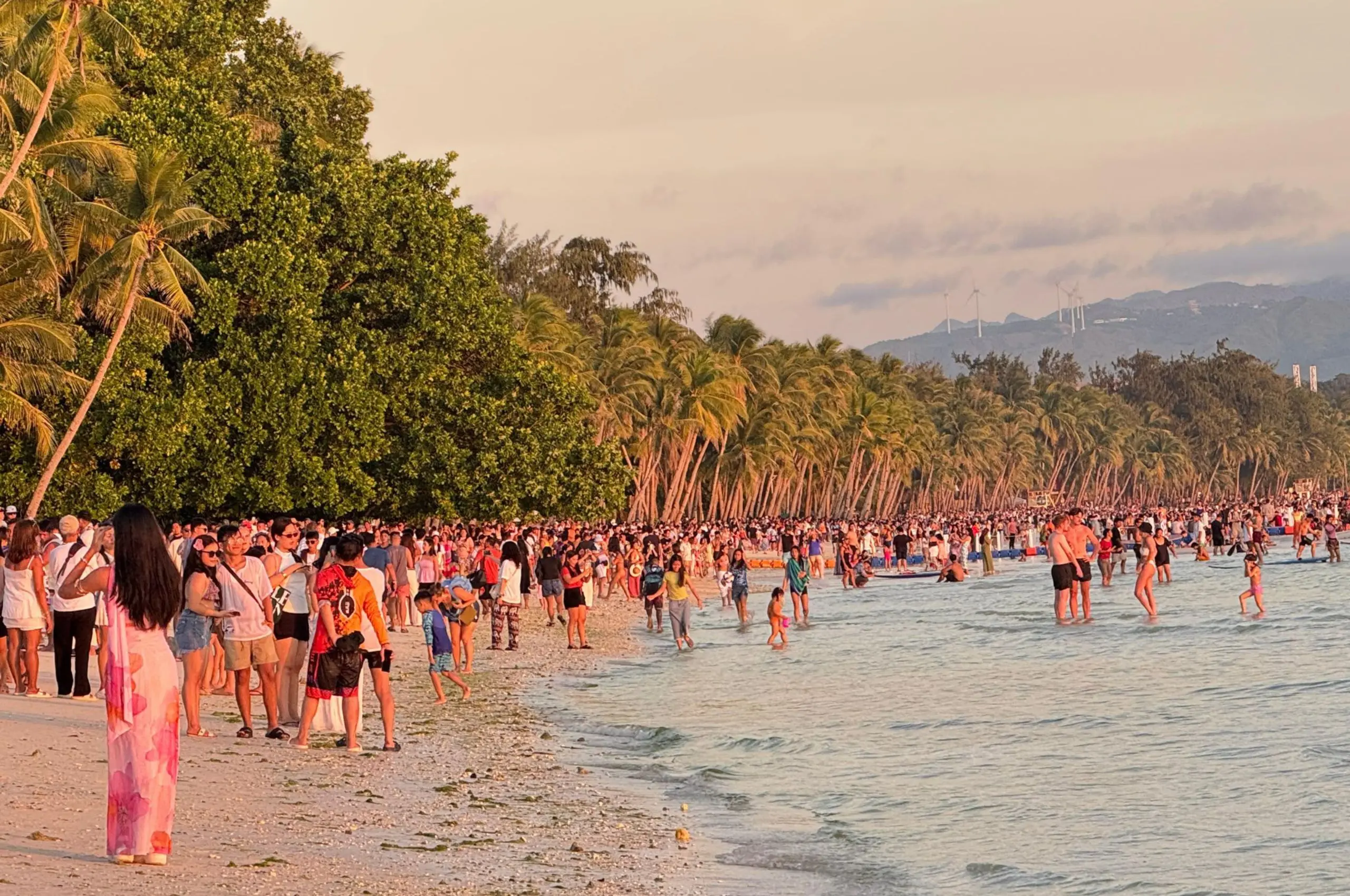
That same predictability draws volume. Beach towns that feel open in quieter months begin to fill by mid-morning. Movement becomes more structured. Tours follow tighter schedules, accommodation fills faster, and the space between moments becomes narrower. Prices rise alongside demand, not only for rooms and tours but even for short local rides. Service remains efficient, but it can feel more transactional than personal when the pace increases.

Locals adjust to the rhythm of the season. Families gather during the holidays, and public spaces carry a sense of activity that extends beyond tourism. The energy lifts, but it also shifts. Conversations tend to be shorter, not unfriendly, just shaped by volume. Visitors may notice a subtle layer in interactions where warmth is still present, but less unguarded than it is during quieter periods.

The cool dry season works well if your priority is ease of movement and reduced uncertainty. You will see more, and things tend to run as expected. But you experience the Philippines alongside many others doing the same, and that shared pace quietly shapes how much of the place you actually notice.

When Heat Starts to Dictate the Day

Expectations here lean toward endurance. Many assume the hot dry season is simply an extension of the cooler months with slightly higher temperatures, an acceptable compromise for lower crowds after Easter. In practice, the shift feels more immediate. By late March, the sun carries more weight. Pavement radiates heat that rises through sandals. Air conditioning units work overtime in guesthouses, yet the moment you step outside, the difference is clear. Energy levels drop by early afternoon. Siestas, long a practical response to climate, become difficult to ignore.

Crowds thin after the Holy Week surge, but the remaining travelers often share a quiet determination to move through the heat. Pricing eases only slightly. The real relief comes from availability rather than cost. Ferries and flights continue to run smoothly, but the effort required to move increases. A two-hour boat ride under direct sun can leave you more drained than expected. Daily rhythms adjust. Locals spend more time indoors or in shade. Street vendors appear less frequently during peak heat hours. The experience becomes one of deliberate pacing. Shorter outings, more frequent breaks, and the acceptance that afternoons may be better suited for rest than exploration.

What many do not expect is the clarity that comes with the heat. Skies stay blue for longer stretches. Visibility across bays improves. The landscape appears more exposed than lush, revealing details that greener months tend to soften. For some, this season becomes less about activity and more about awareness. It reduces the pace and leaves less room for distraction. What remains is a quieter question. What kind of traveler are you when comfort is not guaranteed.

What Changes During the Rainy Season in the Philippines

The assumption most people carry into the rainy season is disruption. Constant downpours, canceled boats, flooded streets, and a general sense that the trip will fall apart. Many avoid it outright. On the ground, it unfolds differently. Rain rarely lasts the entire day. Showers come in bursts, often in the afternoon or evening, leaving mornings and gaps in between usable. The landscape responds quickly. Rice paddies turn green, waterfalls swell, and the air feels heavier.

Crowds drop. Resorts lower their rates, sometimes noticeably. Transport feels less rushed. Drivers and boat captains have more time, and interactions shift with it. Service becomes steadier and less transactional. Pricing pressure eases. The same room or meal that felt tight in December begins to feel more open.

The pace slows, not from inefficiency, but from necessity. Filipinos have long adjusted to monsoon patterns through flexible routines and shared support. Prepared travelers move with this rhythm rather than resist it. Days become shorter and more intentional. You do less, but notice more. When the weather clears, even briefly, it changes how you experience the moment.

The season still carries risk. A typhoon path can halt movement for days. Ferry schedules shift, sometimes without warning. It requires patience and flexibility. But for those who accept that trade-off, the rainy season reveals a different version of the country. Less managed, less structured, and closer to how daily life actually runs.

Manila skyline during rainy season Philippines with dark storm clouds and city lights at dusk
Storm clouds gather over the Manila skyline as the rainy season settles in, shifting the pace of the city. Photo by Sumarie Slabber | Copyright: Sumaries@yahoo.com

Best Time to Visit the Philippines for Beaches and Island Hopping

Where Timing Matters Most

If your priority is calm seas, clear water, and reliable boat schedules, the window narrows to the dry season. Conditions are most stable from late November through April, with the clearest water and smoothest crossings between January and March. Visibility improves, swells are less frequent, and movement between islands becomes easier to plan.

There are trade-offs. Early in the dry season, the air is cooler and more comfortable for long days on the water. Later months bring stronger sun and clearer skies, but also more heat to manage. Crowds concentrate in well-known areas such as Palawan and Cebu, especially during peak periods. The experience becomes more structured, with higher demand shaping both pace and pricing.

One traveler I observed in El Nido in mid-January stepped off a bangka onto a crowded beach at 9 a.m. The water was glass-calm, the visibility underwater exceptional, but every photo he took included other boats in the background. He moved efficiently between lagoons, yet later admitted the day felt more like a well-run tour than a discovery. The same route in early June would have meant occasional rain delays, but also long stretches of empty water where the only sound was the hull cutting through the swell.

For some, that trade-off is worth it. You gain consistency and fewer disruptions. For others, shifting slightly outside peak months allows for more space, even if conditions are less predictable. The difference comes down to whether you value ease or openness.

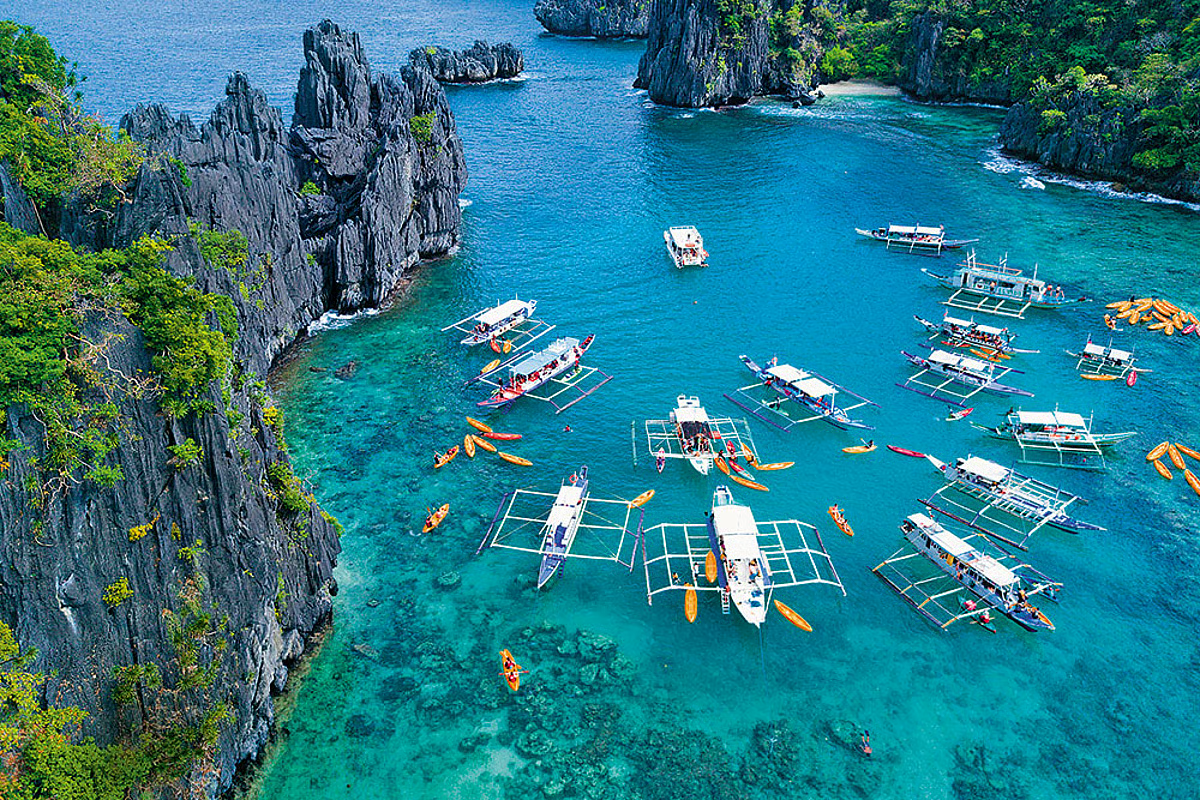
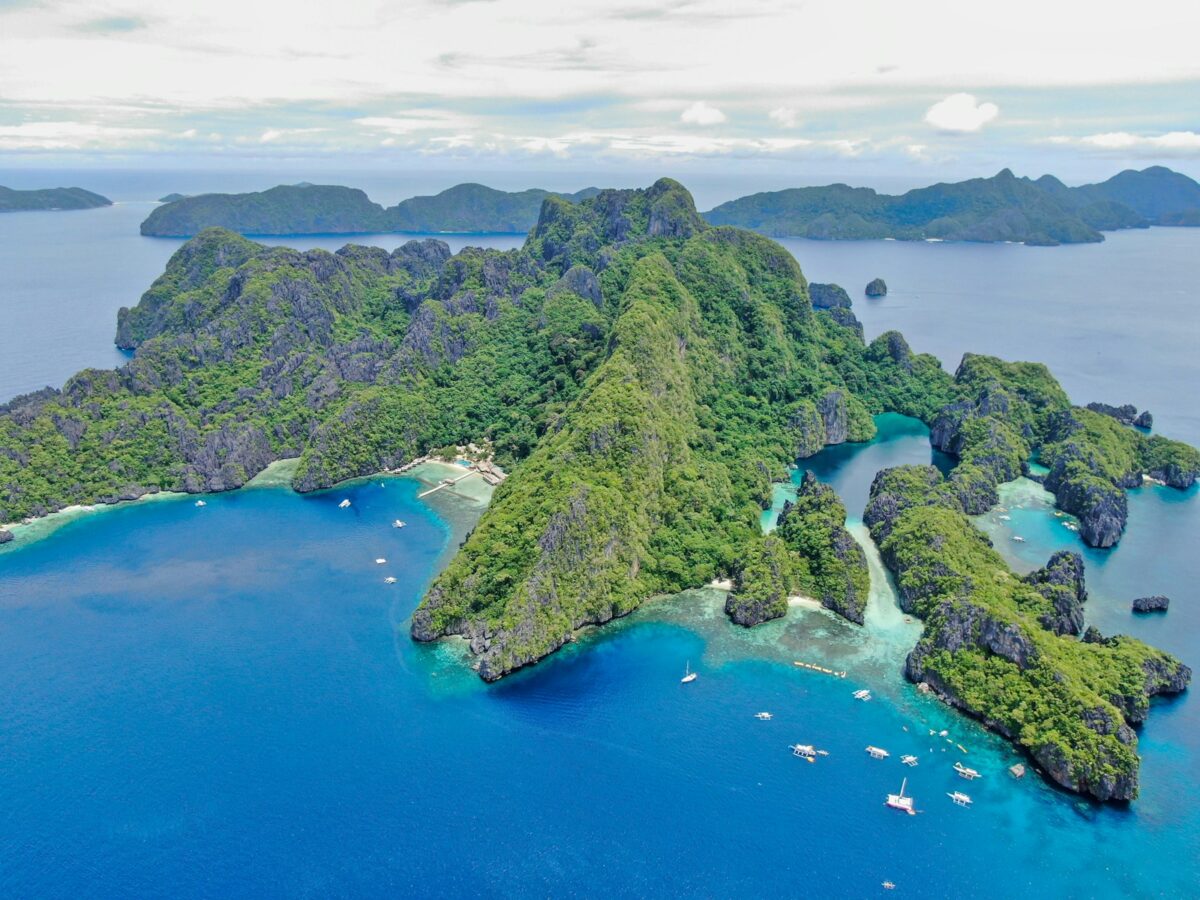
Best time to visit the Philippines beach view with clear water, island landscape, and traditional boat during dry season
Clear water, calm seas, and open skies reflect conditions during the dry season. This is when island travel becomes easier, and movement between places feels more predictable.

When the Pace Shifts

Some trips are less about covering ground and more about settling into a place. That shift begins during the shoulder and rainy months, roughly May through October, with late April and November acting as transitions.

As visitor numbers drop, the atmosphere changes. Beaches that feel busy in December begin to open up. Villages return to their own rhythm. Movement slows, not because things stop working, but because there is less pressure to keep moving. You can stay longer without feeling like you are missing something elsewhere.

This creates space for unplanned moments. Conversations last longer. Meals stretch without urgency. The experience becomes less scheduled and more responsive. Costs also ease, making longer stays more realistic. The trade-off is preparation. Rain gear, flexible plans, and a willingness to adjust when transport pauses become part of the process. For those who value space over perfection, this period offers a different kind of access.

A couple staying in a small homestay on Siquijor in late July told me they planned only two islands but ended up staying nine days. Afternoons were often spent under a tin roof listening to rain on the roof while the owner taught them how to prepare local adobo. Ferries sometimes waited an extra hour, but no one seemed bothered. They saw fewer sunsets, yet left with a clearer memory of how people actually live between the showers.

When Daily Life Is Unfiltered

Cultural depth tends to emerge when daily life is not adjusted for visitors. That happens outside peak periods, when locals are moving through their usual routines rather than accommodating constant demand.

Rainy months and hotter periods both create this condition in different ways. Festivals still take place, but they feel less staged. Markets operate for residents first. Conversations in tricycles or small shops carry a more natural rhythm, without the pressure of high tourist turnover.

What changes is not just activity, but tone. Service reflects real energy levels rather than polished consistency. Interactions feel less filtered. You are no longer moving through a version of the country designed for visitors, but one that reflects how people actually live.

For travelers willing to adjust expectations, this brings a clearer understanding of how place, climate, and routine shape everyday life in the Philippines.

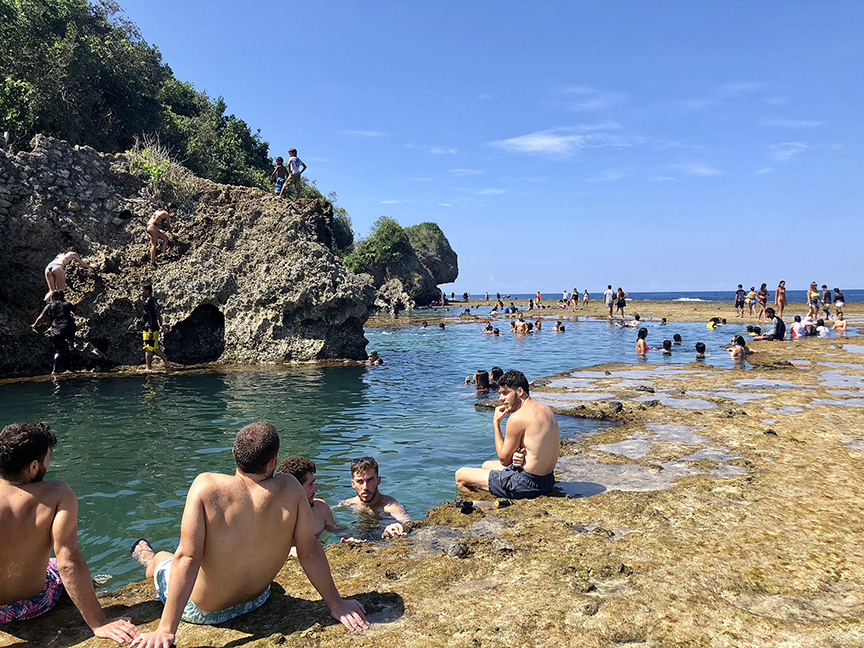
Siargao rock pools during dry season Philippines with clear water and swimmers enjoying calm conditions
Clear water and steady conditions draw people into the same spaces. In the dry season, access is easier, and movement between islands becomes predictable.

Regional Nuances: Weather Differences Across Luzon, Visayas, and Mindanao

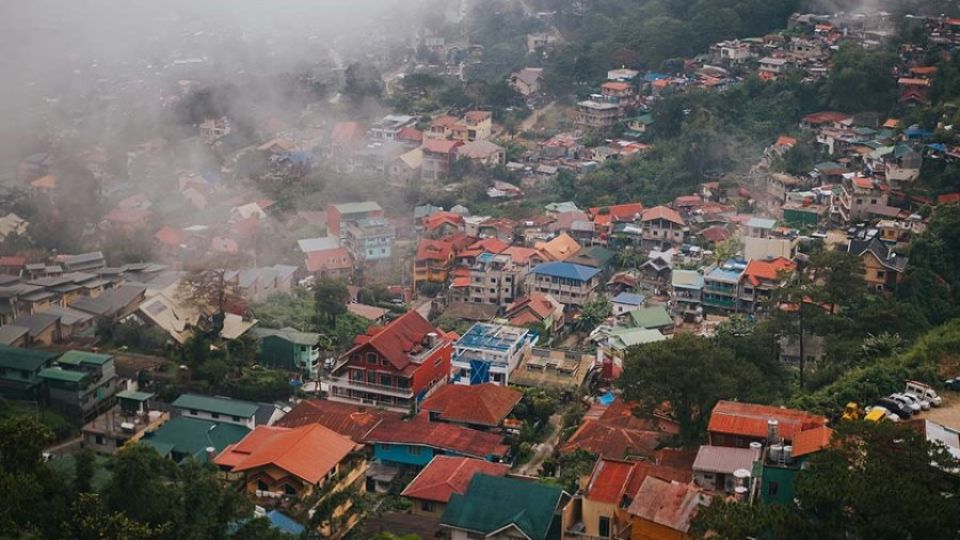
No single forecast covers the entire country. Conditions shift across regions, sometimes noticeably. Luzon, particularly its northern and eastern coasts, feels the northeast monsoon more strongly and sits closer to common typhoon paths during the rainy season. Manila and nearby areas follow the typical pattern, while mountain provinces can stay cooler and more misty even during dry months.

The Visayas sit in a more balanced position. Islands such as Cebu and Bohol often avoid the heaviest rainfall that reaches eastern coastlines. Palawan, on the western edge, is more sheltered and tends to stay drier longer into the rainy season, making it a practical choice during transitional months.

Further south, Mindanao and islands like Siargao follow a slightly different rhythm. Eastern Mindanao can receive heavier rain during the cooler months when winds push moisture toward its coast, while the western side remains more protected. Siargao’s surf season aligns with wetter periods, which means it becomes more active when other regions slow down.

These differences allow for more flexibility than most expect. Travel does not need to stop when conditions shift. It can be adjusted. Moving between regions can extend better weather or match the type of experience you want.

How the Regions Actually Differ

Understanding these patterns turns a general plan into a more precise route

  • Luzon → more exposed to typhoons and stronger seasonal shifts
  • Visayas → more balanced, fewer extremes
  • Palawan → stays drier longer, useful during shoulder months
  • Mindanao / Siargao → different rhythm, surf aligns with wetter periods

Behavioral and Cultural Insight

Weather does not sit in the background. It shapes behavior in ways that become clear over time. During the cooler months, there is a visible lift in energy. Markets stay open later. Conversations stretch. The overall mood feels more open. In tourist areas, service becomes faster because volume demands it, but the warmth remains.

As heat builds, that energy compresses. Movement slows. Siestas lengthen. Patience shortens slightly as the body adjusts. The change is not dramatic, but it is noticeable. During the rainy season, the response shifts again. Plans become flexible. When a ferry is canceled or a road floods, people adjust without visible stress. What may feel unpredictable at first is often a practiced way of adapting.

For visitors, this difference can be disorienting. Expectations of consistency meet a system that adjusts instead of forcing control. The country has not slowed for you. It has returned to its own pace. Those who observe rather than resist often find the experience becomes easier to understand. You stop trying to control the rhythm and begin to move with it.

Explore Further → Why the Philippines Feels Chaotic to Foreigners: Cultural Patterns Most Travellers Misunderstand

Everyday street scene with colorful umbrellas in a Philippine neighborhood market - deeper Philippines travel insights
People drive in heavy traffic in Manila, one of the biggest urban areas in the world with almost 30 million people.

Common Mistakes Travelers Make

The first mistake is treating the dry season as a guarantee. Conditions are more stable, but not fixed. A brief shower or a stretch of humidity is enough to disrupt a tightly planned schedule. The issue is not the weather, but the expectation that it will remain predictable.

The second is underestimating heat. A few days may feel manageable, but prolonged exposure changes how much you can realistically do. Plans that look efficient on paper can become exhausting in practice.

The third is avoiding the rainy season entirely. Many assume it means constant disruption, when in reality much of the country experiences only intermittent rain. In doing so, they miss lower costs, fewer crowds, and a different atmosphere. The result is a narrower experience shaped more by caution than understanding.

Each mistake comes from the same assumption. That the country should adjust to the traveler, rather than the other way around.

Closing Perspective

There is no single best time to visit the Philippines. There is only the season that matches the kind of experience you are prepared to have. Conditions change, but the country remains consistent in how it moves and adapts.

Some will prefer the clarity and ease of the dry months. Others will find more value in quieter periods when the pace slows and space opens up. Neither is better. They are simply different.

The decision is less about timing and more about expectation. Not when the country will be at its best, but when you are willing to meet it on its terms.

Before You Decide

Your answers will point to the timing that fits you best.

  • Are you looking for ease, or are you comfortable adjusting as you go?
  • Do you prefer predictable conditions, or are you open to a slower, less structured experience?
  • Would you rather see more in less time, or stay longer and notice more?

If something in this article stayed with you, you’ve only seen one layer. There are others, quieter and more consistent in how they shape what you notice and how you respond. Most of it is never explained, only repeated until it feels normal. The surface was never the point. The real question is whether you stop here, or begin seeing what has been shaping everything else all along.

Related Insights

What Perspective Shifted For You?

This piece stirred something in you? Share your observations below. The best insights often come from readers who live between worlds.

Leave a Reply

Your email address will not be published. Required fields are marked *