The flight attendant life reality promises the ultimate escape. Skies as office, cities as playground, elegance as uniform. Yet the moment the cabin door seals and the aircraft pushes back, that promise begins to fracture under a weight few outsiders ever witness.
The smile that greets passengers at boarding is not spontaneous warmth. It is trained behavior, sustained over hours, calibrated to conceal exhaustion, irritation, and the quiet erosion of self that begins long before the first service cart moves down the aisle. This is not a complaint about a difficult job. It is an examination of the hidden transaction at the core of the role. Composure is exchanged for compensation. Authentic response is replaced with controlled behavior. Personal equilibrium is adjusted to meet operational demand. What appears effortless on the surface is an engineered system designed to keep hundreds of passengers aligned with a sense of calm while the environment itself remains inherently unstable.Table of Contents
The Illusion of the Dream Job
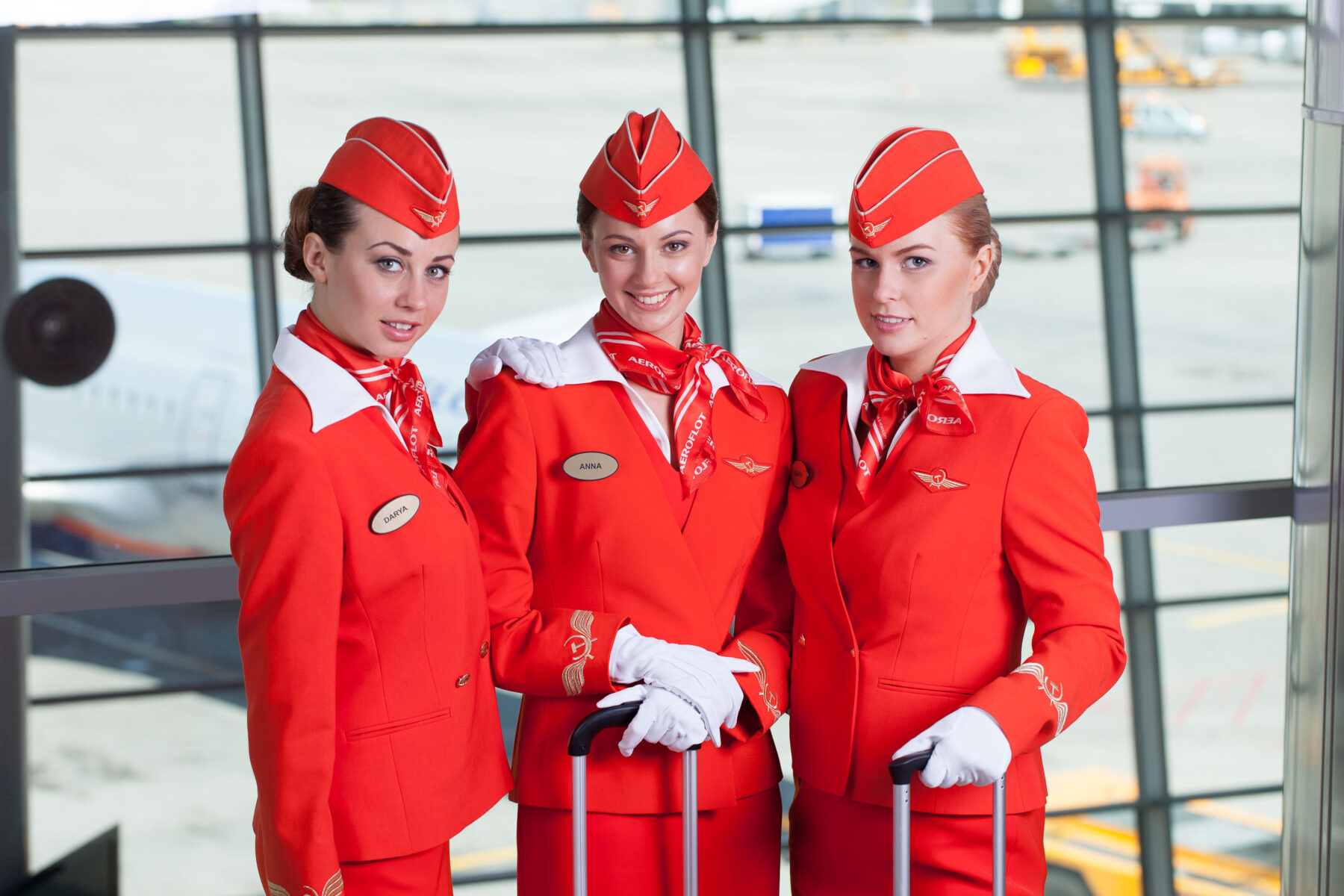
The romanticization of flight attendant life reality extends beyond marketing. Social media reinforces it continuously. Filtered sunrises above cloud lines, curated layover photos, carefully framed moments that suggest freedom, movement, and ease. Airline branding supports the same image through recruitment campaigns that present control as elegance and discipline as grace.
Cultural expectations deepen the illusion. The role sits at the intersection of beauty, travel, and service, which creates a powerful narrative. Many applicants enter the profession drawn by this image, not by an understanding of circadian disruption, emotional regulation, or the structured nature of passenger management. The cabin is imagined as a stage of effortless interaction, rather than a confined environment where behavior is monitored, adjusted, and repeated with precision.
This gap between perception and practice is not accidental. It supports recruitment, sustains passenger confidence, and allows the system to function without disruption. Magnify the focal point → What Flight Attendant Uniforms Reveals
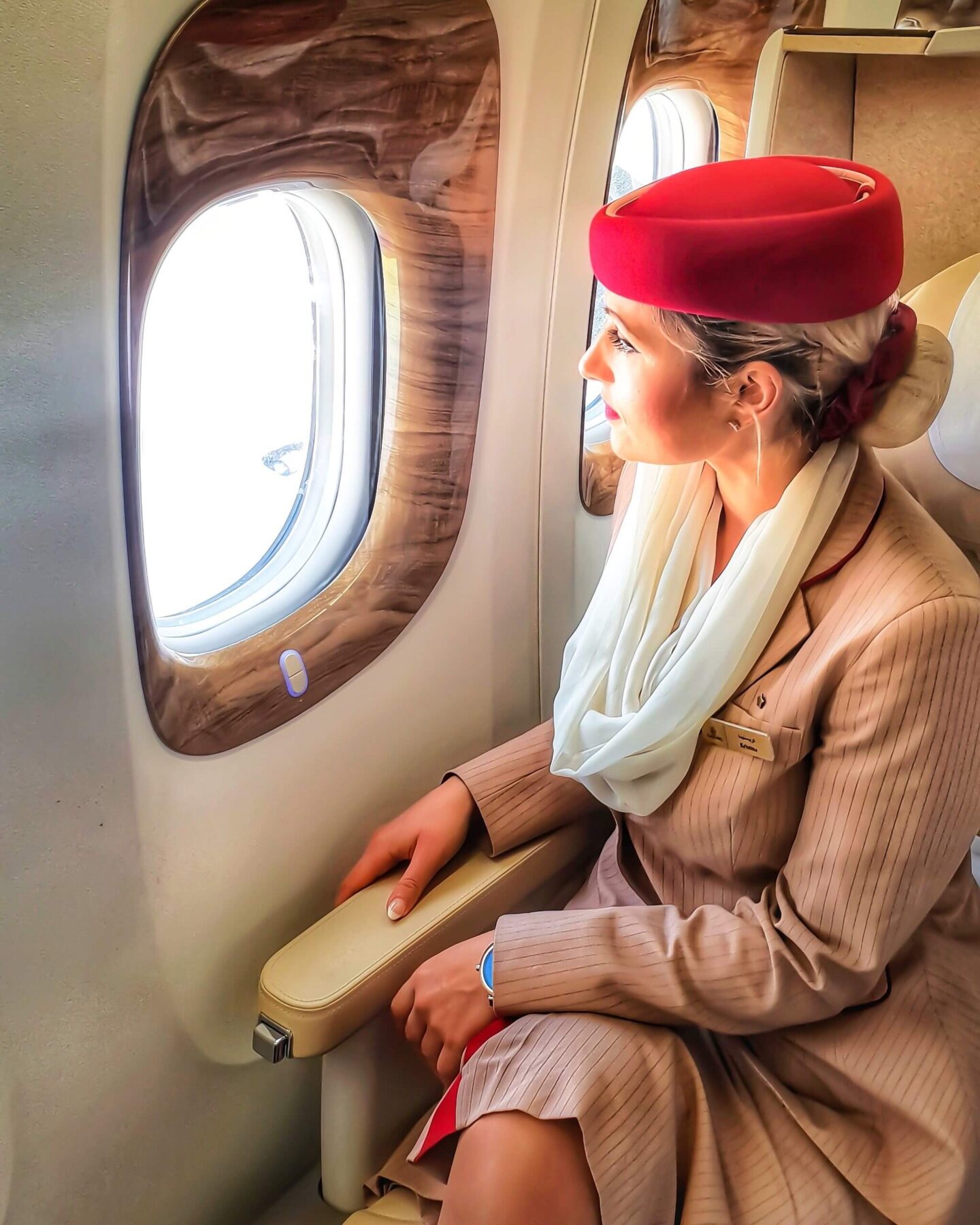
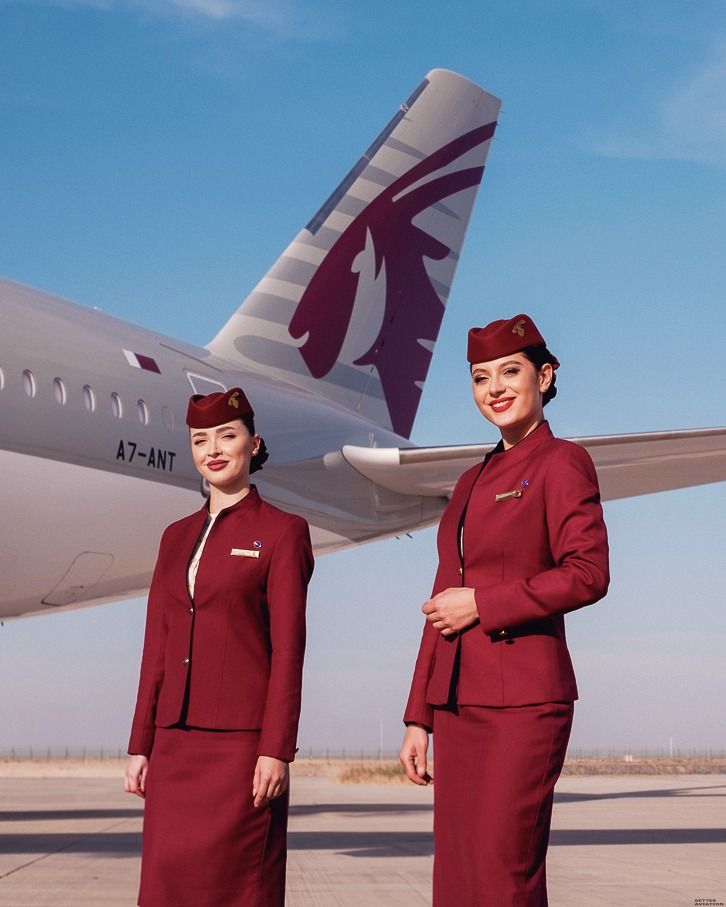
What passengers see is precision. Grooming, posture, and uniform are not style choices. They are part of a controlled system designed to shape perception.
Emotional Labor: The Real Job Behind the Smile
dissected in her 1983 study of Delta Airlines cabin crew. In The Managed Heart, Hochschild introduced the concept of emotional labor as the effort required to induce or suppress feelings in order to produce a publicly observable facial and bodily display sold for a wage.
“Flight attendants do not merely perform tasks; they manufacture emotional states in others while regulating their own”
Passengers bring anxiety, impatience, entitlement, and unpredictability into a space where variables cannot be fully controlled. The response must remain consistent. Calm must be projected during turbulence. Frustration must be absorbed without escalation. Service must feel warm even when fatigue has already set in.
This is not personality. It is performance, and it is evaluated. Visible fatigue, irritation, or deviation from expected tone can affect professional standing. The requirement is simple but demanding: maintain composure regardless of internal state.
Layovers and travel look glamorous from the outside. In reality, long stretches of isolation reshape identity and emotional connection over time.
The Mechanics of Sustained Composure
This level of control is trained systematically. Cabin crew are taught to recognize physiological signals of stress and override them through controlled breathing, posture adjustment, and cognitive reframing. Crew Resource Management (CRM) systems reinforce not only safety coordination but also behavioral consistency.
Every interaction operates within a framework. Timing, tone, distance, eye contact. Nothing is left to chance. The objective is to maintain a stable passenger experience, even when conditions are unpredictable. The system functions by reducing variation, ensuring that each crew member delivers a consistent response aligned with brand expectations.
The Physical Cost of the Job
Beneath the psychological layer is a physical baseline that is already strained. Flight attendant life reality includes chronic disruption of circadian rhythms. Sleep is shortened, fragmented, and often misaligned with natural cycles. Recovery remains incomplete, even during scheduled rest periods.
The work itself is physically demanding. Service carts are heavy. Movement is constant. Balance must be maintained in a pressurized environment that shifts unpredictably. Dehydration is common. Air quality, while controlled, contributes to long-term fatigue. Appearance standards add further pressure, requiring continuous maintenance that extends beyond working hours.
These demands do not exist in isolation. They accumulate over time, forming a baseline that crew must operate within daily. The system is optimized for aircraft efficiency, not human recovery. Where the language for this becomes coded → 22 Flight Attendant Secret Codes That Expose What They Really Think About You
Sleep Debt and Bodily Wear
Flight attendant life reality involves chronic exposure to disrupted circadian rhythms that no amount of layover hotel blackout curtains can fully correct. Studies on cabin crew sleep patterns show a measurable gap between working days and rest days, with frequent awakenings and reduced sleep efficiency on international rotations.
Long hours spent on feet in pressurized cabins add musculoskeletal strain. The physical toll compounds across several fronts at once:
These physical demands are not incidental to the role. They are the direct outcome of a scheduling system optimized for aircraft utilization rather than human recovery. (Source: IATA Publications)
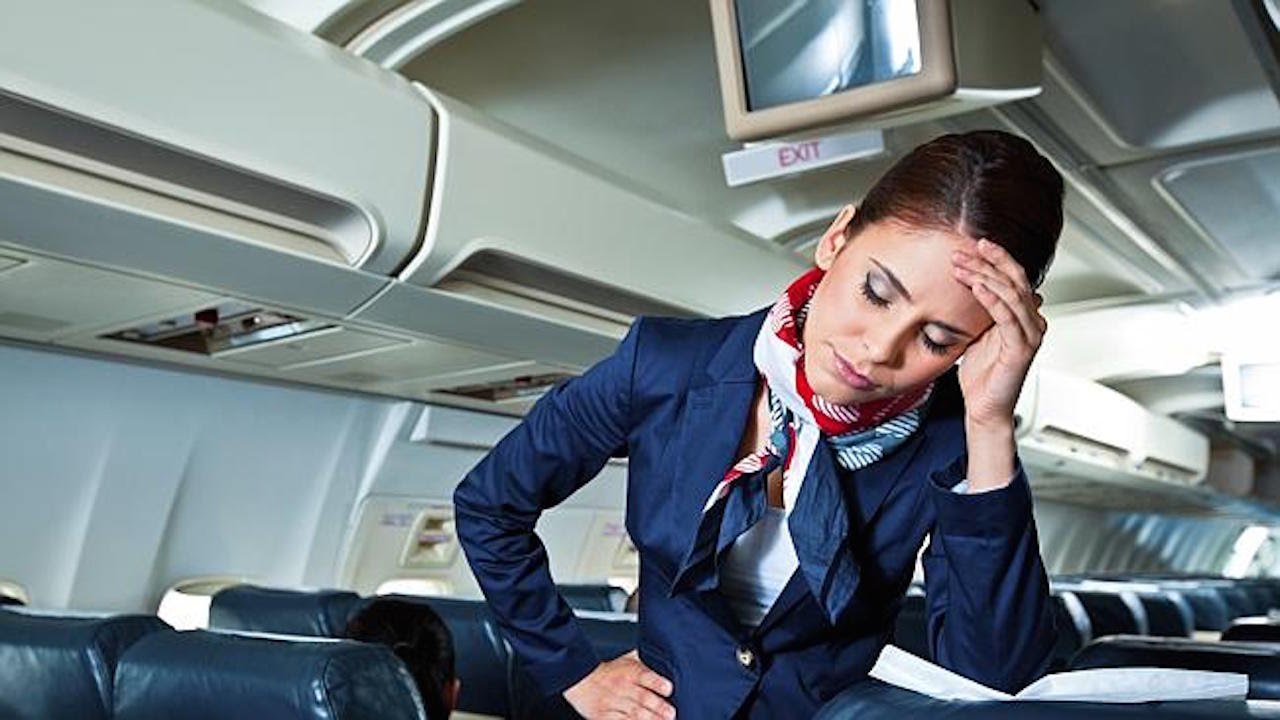
Fatigue is not occasional. It is built into flight attendant life reality through disrupted sleep cycles, long hours, and constant pressure to perform.
The Split Identity Problem
Over time, a separation begins to form. The professional persona becomes stable, controlled, and predictable. It does not fluctuate under pressure. It does not react spontaneously. It performs consistently.
The private self continues to experience fatigue, frustration, and emotional variation. However, the boundary between the two is not always clear. After extended periods of surface acting, reconnecting with genuine emotional response can become difficult. Detachment becomes functional, serving as a protective mechanism during duty while creating distance outside of it.
Loneliness in a Crowded Cabin
Loneliness permeates the flight attendant lifestyle despite near-constant exposure to people. The cabin is a transient social environment where interactions are brief, transactional, and governed by strict boundaries. Deep connections with passengers are discouraged. Relationships with colleagues are often superficial due to rotating crew pairings and seniority-based bidding systems.
The most profound isolation stems from the irregular schedule itself. Partners and family members at home struggle to synchronize with rotating days off, red-eye flights, and last-minute schedule changes. The result is a peculiar form of social disconnection: surrounded by humanity at 35,000 feet yet fundamentally detached from the rhythms that sustain intimate relationships on the ground.
Some research on cabin crew mental health points toward elevated rates of depression and anxiety relative to the general population, with longer te
The System Behind the Image
The air hostess reality, and its modern equivalent, is engineered with precision. Airlines invest significant resources in designing not only aircraft interiors but also the human elements that passengers encounter. Uniforms function as tools of visual and behavioral control. Posture requirements, scripted greetings, and prescribed service sequences transform individual personalities into interchangeable components of the brand experience.
Service is framed as structured authority rather than organic kindness. The flight attendant’s primary function, beyond safety, is to manage passenger perception of control and care within an environment that is inherently unnatural and occasionally frightening.
The International Air Transport Association (IATA) continues to project strong growth in global air travel demand. This commercial imperative drives the need to maintain high service standards even as crew face mounting operational pressures. Fatigue management guidelines exist, yet implementation varies widely by carrier and jurisdiction.
Why the Illusion Persists
The illusion persists because it works. It attracts applicants and reassures passengers at the same time. What is visible is carefully curated. What is hidden is structurally necessary. Social media amplifies the polished surface while the operational reality remains out of frame, creating a version of the role that feels aspirational but incomplete.
Economic incentives reinforce the narrative. Entry-level compensation paired with travel benefits looks appealing on paper, especially to younger applicants seeking mobility or escape. What is less visible is the structure behind it. Reserve duty, unstable schedules, physical fatigue, and emotional regulation are treated as standard conditions rather than trade-offs. The system does not hide these realities. It normalizes them.
Cultural framing adds another layer. The role is still tied to controlled elegance, discipline, and emotional warmth. These expectations are not accidental. They shape how passengers interpret safety, professionalism, and trust. Challenging that image carries professional risk, which discourages open conversations from within the industry itself.
The result is a self-sustaining loop. Airlines maintain the image. Media reinforces it. New applicants buy into it. Passengers continue to expect it. Over time, the performance becomes the identity people recognize, while the underlying demands of flight attendant life reality remain largely unexamined. Look Closer → 7 Reasons Why the “Sexy Air Hostess” Stereotype Refuses to Die
The system works because it is consistent. Branding, training, and visual discipline align to maintain the illusion passengers expect to see.
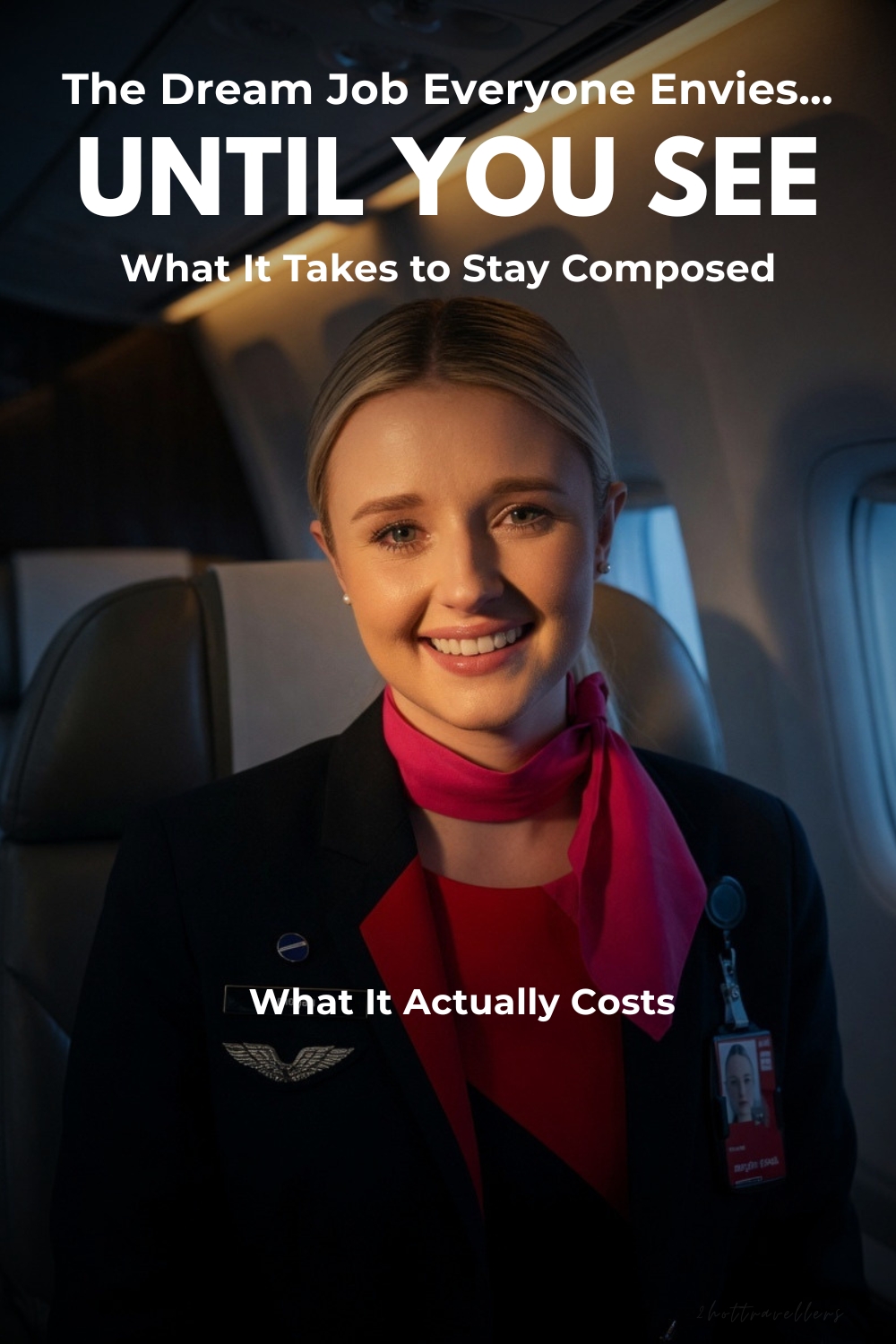
What It Really Costs to Stay Composed
What appears effortless is engineered. The composure that defines flight attendant life reality is not an inherent personality trait, but the result of sustained psychological, physical, and institutional pressure calibrated to meet both commercial demands and safety expectations simultaneously. What passengers interpret as natural warmth or calm confidence is often the outcome of training, repetition, and constant self-regulation within an environment that leaves little room for visible instability.
Every polished smile, every calm reassurance during turbulence, and every controlled response to a difficult passenger reflects a deliberate act of regulation performed under conditions that would challenge most people’s baseline tolerance. The system does not passively benefit from this performance. It is designed to extract it consistently, shaping behavior until it becomes automatic and indistinguishable from personality.
Understanding this dynamic does not erase the satisfaction some crew still find. It exposes the conditions it exists within. The costs, including psychological detachment, chronic fatigue, relational strain, and the gradual erosion of unfiltered self-expression, are not occasional side effects. They are embedded conditions of the role itself.
The realization is quiet but difficult to ignore. The composure that passengers admire is not simply a personal quality. It is the visible surface of a controlled system of training, discipline, and behavioral management sustained over thousands of flight hours. What looks natural is often the most carefully maintained part of the job.
Pause Here
- Do you think passengers actually want the truth, or just the version that makes them feel comfortable?
- If the reality was fully visible, would people still call this a dream job?
- For those who've worked in high-pressure roles, how much of what people see is real, and how much is trained behavior?
- What surprised you most about this part of flight attendant life reality?