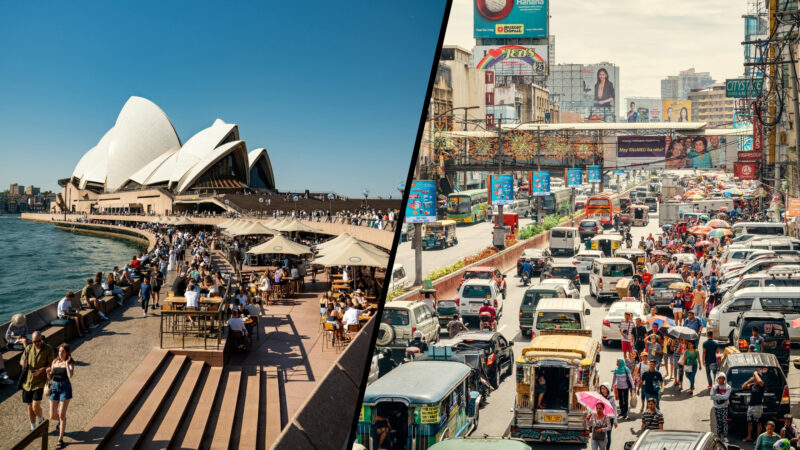
Manila does not perform for tourists. It operates. The best things to do in Manila are not just attractions; they are nodes in a 400‑year‑old machine of colonial architecture, post‑war reconstruction, elite power centers, and hyper‑dense street commerce crammed into a single metro area of 14 million people. Most visitors expect either a chaotic third‑world capital or a sanitized “tropical city.” They are surprised by how much serious history, institutional weight, and raw social texture exists within a few square kilometers.
This guide cuts through the generic lists. It focuses on attractions that actually deliver information density, cultural access, and psychological insight into how Manila works and how it feels to move through it as an outsider.
NOTE: This article was just updated in 2026 from its original version. All information below reflects current conditions, verified facts, and updated practical details as of this revision.
Table of Contents
Before You Go: Manila’s Operational Realities
Traffic is not an inconvenience. It is the city’s primary architecture. An 8‑kilometer drive can take 90 minutes. Plan by geographic cluster, not by distance. The same trip at 6 am takes 20 minutes. At 5 pm, two hours. Do not trust Google Maps time estimates without adding a 40 percent buffer. The only reliable windows are 6 am to 9 am and 8 pm to 5 am.
Heat, humidity, and pollution will exhaust you faster than walking. Average high is 32°C (90°F) with 80 percent humidity. Your body cannot cool itself efficiently. Carry one liter of water per two hours of outdoor activity. Wear light cotton or linen. Synthetics trap heat. Accept that you will sweat through your shirt before noon. So will everyone else. No one cares.
Cash is king outside malls. Small bills (₱20, ₱50, ₱100) are essential for jeepneys, tricycles, pedicabs, street food, and small sari‑sari stores. Credit cards work at SM MOA, most Intramuros restaurants, hotels, and larger grocery chains like SM Supermarket or Robinson’s. ATMs dispense ₱500 and ₱1000 notes. Break a ₱1000 at any fast food counter or drugstore (Mercury Drug). Do not expect change from a ₱1000 at a street vendor.
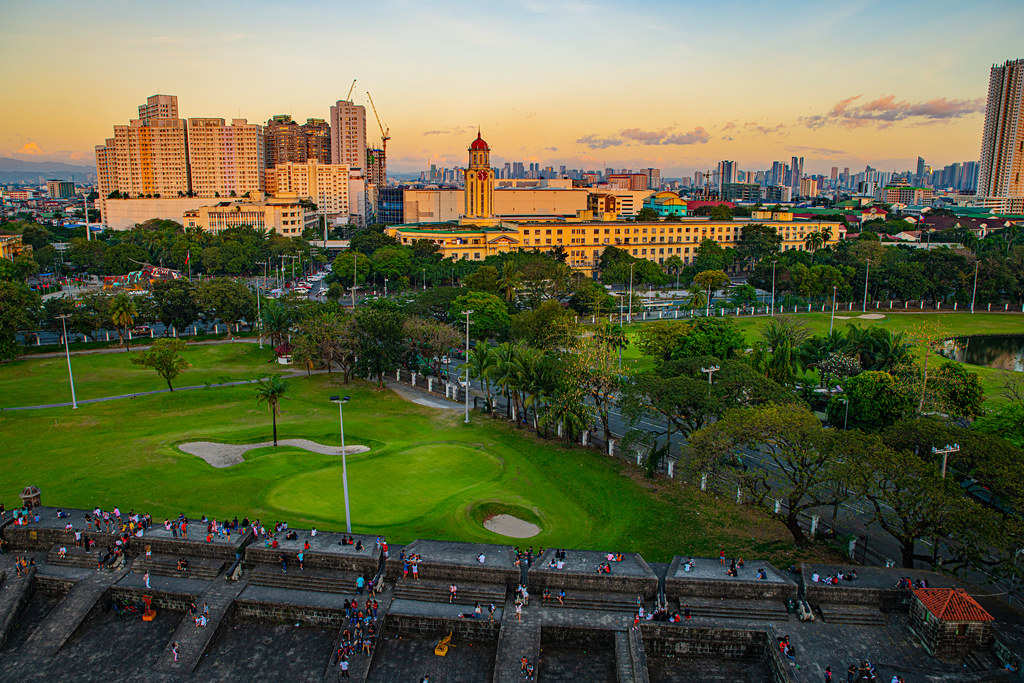
Intramuros at golden hour. The historic city walls, clock tower, and Manila skyline perfectly capture the layered character of the walled city . Photo by CamelKW on Flick
Learn two phrases. “Paano po pumunta sa…” (How do I get to…). “Magkano po?” (How much?). Add “Po” for respect, especially with older Filipinos. A nod and a quiet “Salamat” (Thank you) goes further than loud English. If you smile and look confused, someone will help. If you look angry, no one will.
Safety rhythm. Daytime in tourist zones (Intramuros, Rizal Park, MOA, Binondo, Paco Park) is fine. After dark, stick to well‑lit main roads. Do not walk alone in Rizal Park edges or the Baywalk south end. The area around Divisoria is safe in early morning but becomes overwhelmingly crowded and disorienting by 11 am. Pickpocketing exists but is not epidemic. Keep your phone in a front pocket or crossbody bag. Do not hold it out on a jeepney near a door.
Jeepney etiquette. Pay as you enter or pass your fare forward with a polite “Bayad po.” Say “Para po” loudly when you want to get off. The driver will stop anywhere that is not an intersection. Do not sit near the exit if you have a large backpack. Do not argue over ₱1‑₱2 overcharges. It is not worth the friction.
Air conditioning is a commodity. Malls, hotels, and most fast food restaurants are air‑conditioned. Public markets, jeepneys, and sidewalks are not. If you feel lightheaded or nauseous from heat, walk into any Jollibee or 7‑Eleven for 10 minutes. No one will mind. Manila residents do this constantly.
Quick Reference: 20 Manila Attractions
The complete list of things to do in Manila, grouped by location and experience type. Start with Intramuros, then move outward through history, bay, commerce, and quiet corners.
Intramuros: Manila’s Walled Historic Core
Intramuros remains the single most concentrated historical zone in the Philippines. Built by the Spanish in 1571 and repeatedly rebuilt after earthquakes and war, the district functions less as a museum and more as a living archive of power, religion, and national myth-making.
The 1.6-kilometer walls once separated Spanish elites from the native population. Today they separate tourists from traffic. Inside, the layout still follows the original grid, and the atmosphere shifts the moment you pass through any of the gates. The air feels heavier, the acoustics change, and the sense of enclosure is immediate.
Key sites inside the Intramuros Walls
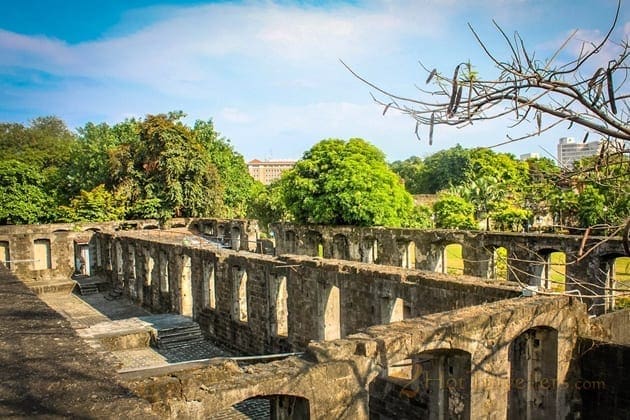
The 1571 gate of Fort Santiago. The dungeon and marble mass grave for 600 executed civilians are inside.
Fort Santiago The 1571 citadel where José Rizal was held before execution. The dungeon section opened to the public in 2020 and is stark and effective. The marble cross marking the mass grave of 600 people executed during the Japanese occupation adds a layer most visitors miss. Go before 10 am to avoid the heaviest crowds.
San Agustin Church The only building inside Intramuros to survive the 1945 battle for Manila. A UNESCO World Heritage site since 1993. The interior is deliberately theatrical: high baroque altars, trompe‑l’œil ceilings, and a crypt containing the remains of Spanish governors‑general. Even non‑religious visitors notice the psychological effect. It was designed to make power feel eternal.
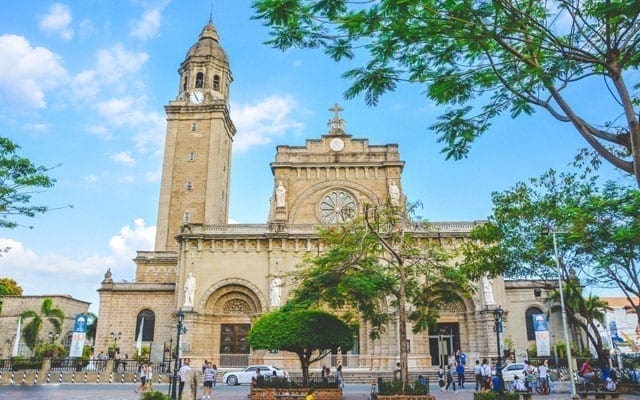
Manila Cathedral The fifth iteration of the structure, built in 1958 on the exact site of the original 1581 church. The facade is neoclassical; the interior is cool, dark, and acoustically perfect for the regular masses that still draw thousands. It is the seat of the Catholic Church in the Philippines, an institution that still shapes national politics and family life more than most outsiders realize.
Baluarte de Santiago A quieter defensive bastion inside Intramuros with cannons and clear views of Manila Bay. Fewer crowds than Fort Santiago. A good place to sit and watch how locals use the walls as a shortcut between neighborhoods. No entrance fee.
Expat observation: Locals treat Intramuros as both sacred ground and convenient shortcut. Government workers cut through on lunch break. School groups recite Rizal quotes by rote. This is not a theme park. It is the physical memory of the Philippine state.
he neoclassical facade of Manila Cathedral (1958). The seat of the Catholic Church in the Philippines.
Rizal Park and the National Museums
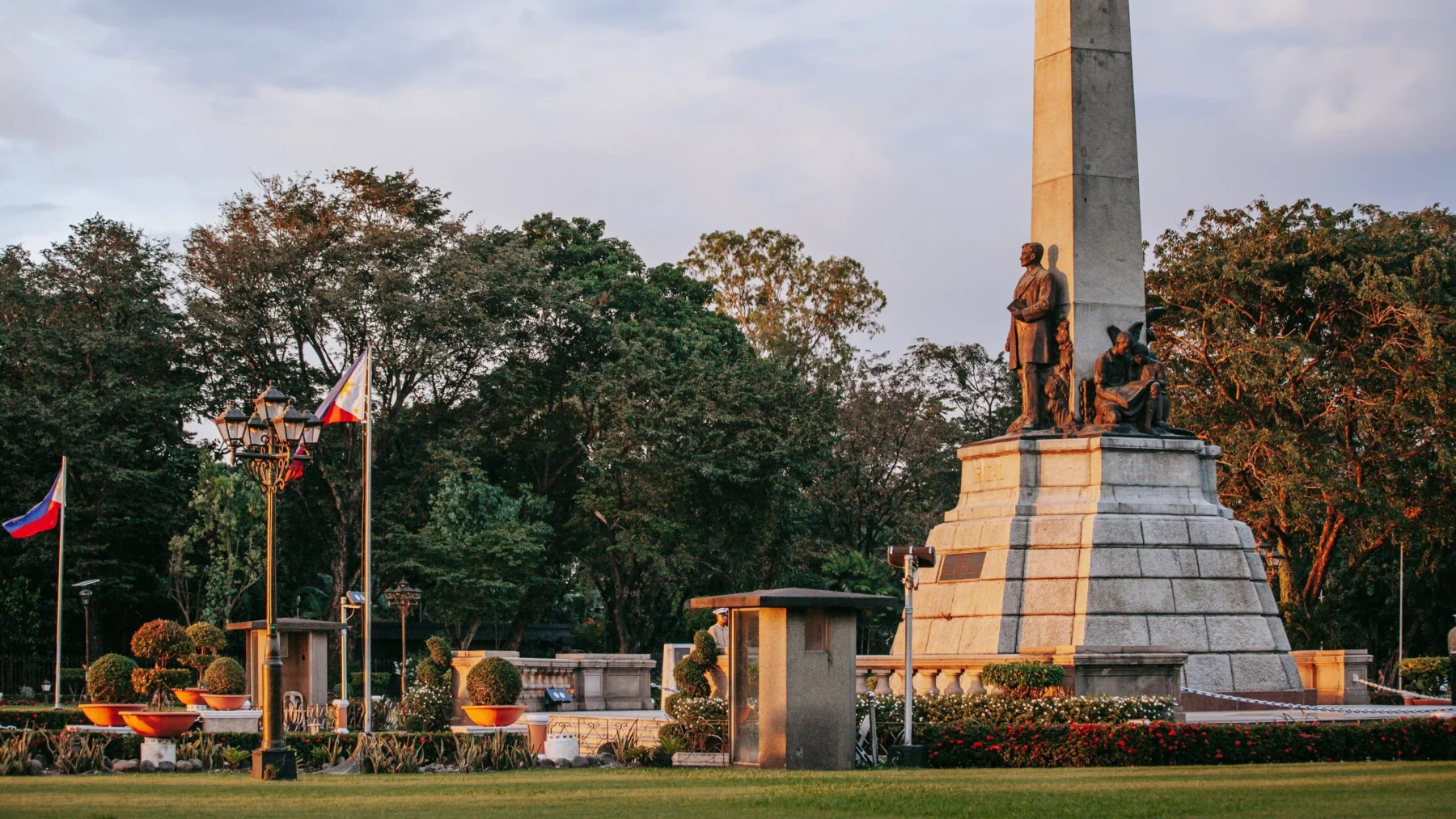
Rizal Park (Luneta) The 58‑hectare green space where José Rizal was executed on 30 December 1896. The exact spot is marked by a 12‑meter obelisk guarded 24/7. At sunset the flag‑lowering ceremony still draws small crowds of locals who treat it with quiet seriousness, not tourist spectacle.
Avoid the edges after dark. On weekends the open fields fill with families, street photographers, and couples. The contrast between the solemn monument and everyday leisure is the point.
The park is open daily and there is no general admission fee, although the children’s playground has a small charge. Performance times and prices for the sound and light presentations are published on the National Parks Development Committee website.
The towering obelisk and surrounding gardens in Rizal Park remain one of the most powerful symbols of Philippine history and national identity.
National Museum of Fine Arts. One of Manila’s most impressive neoclassical buildings, home to the country’s most important art collections and a must-visit for anyone wanting to understand Philippine cultural identity.
National Museum of Fine Arts Houses Juan Luna’s Spoliarium, a massive painting that changed Philippine art and nationalism in one frame. The museum is inside the old Legislative Building. Entry is free for Philippine citizens; foreigners pay a small fee (around ₱150). Give yourself at least 90 minutes.
National Museum of Anthropology Pre‑colonial gold, indigenous ceramics, and the “Tabon Man” skull cap. This is the best context for Manila’s pre‑Spanish past. The building itself is a restored 1918 neoclassical structure. Combine with the Fine Arts museum in a single morning.
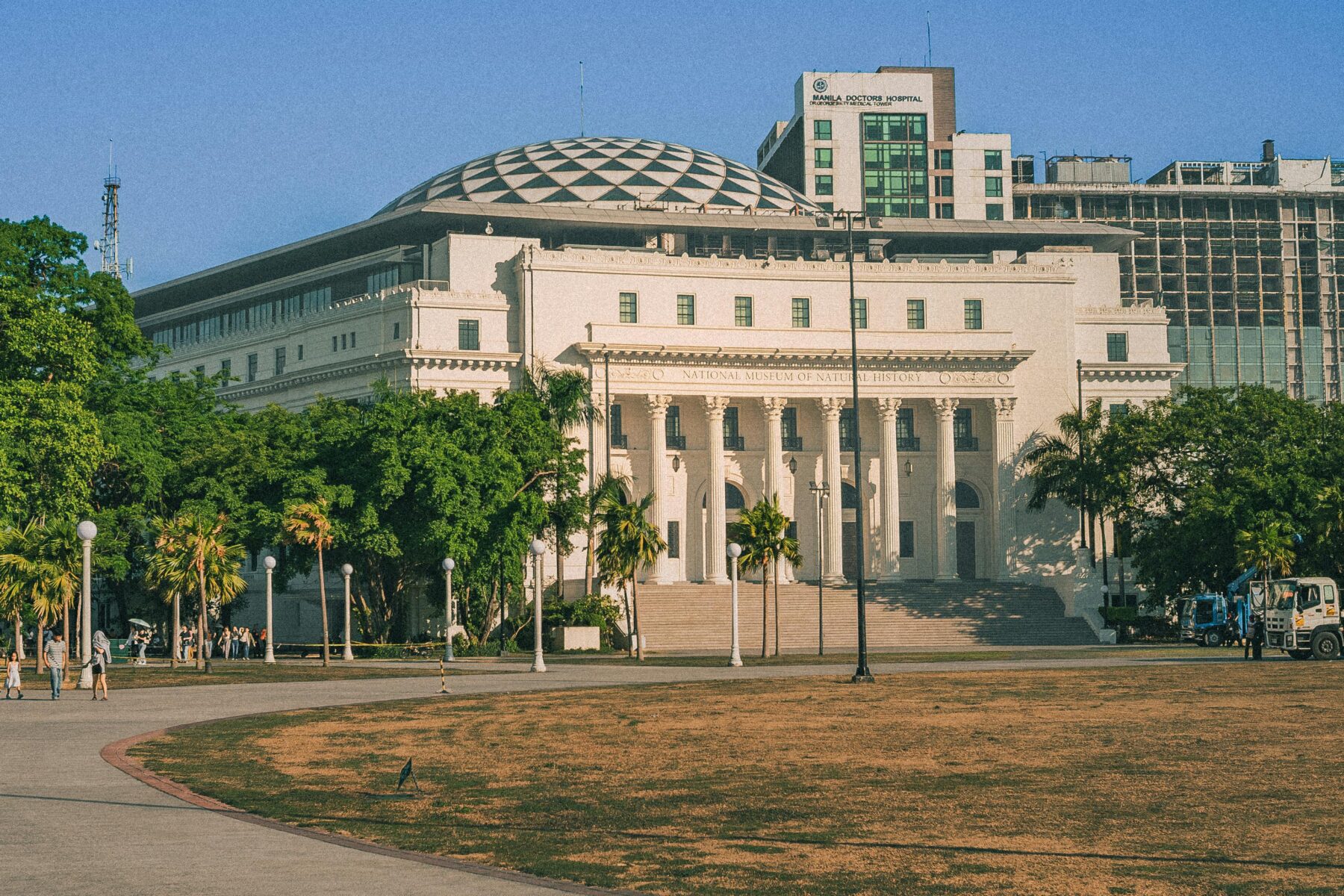
National Museum of Natural History Opened in 2018 inside a neoclassical building. The “Tree of Life” double helix elevator is the centerpiece. Contains the skeleton of “Lolong,” the largest captive crocodile ever recorded. Free admission with valid ID. Open Tuesday to Sunday, 9 am to 6 pm. Allow two hours.
Manila Baywalk: The City’s Daily Sunset Ritual
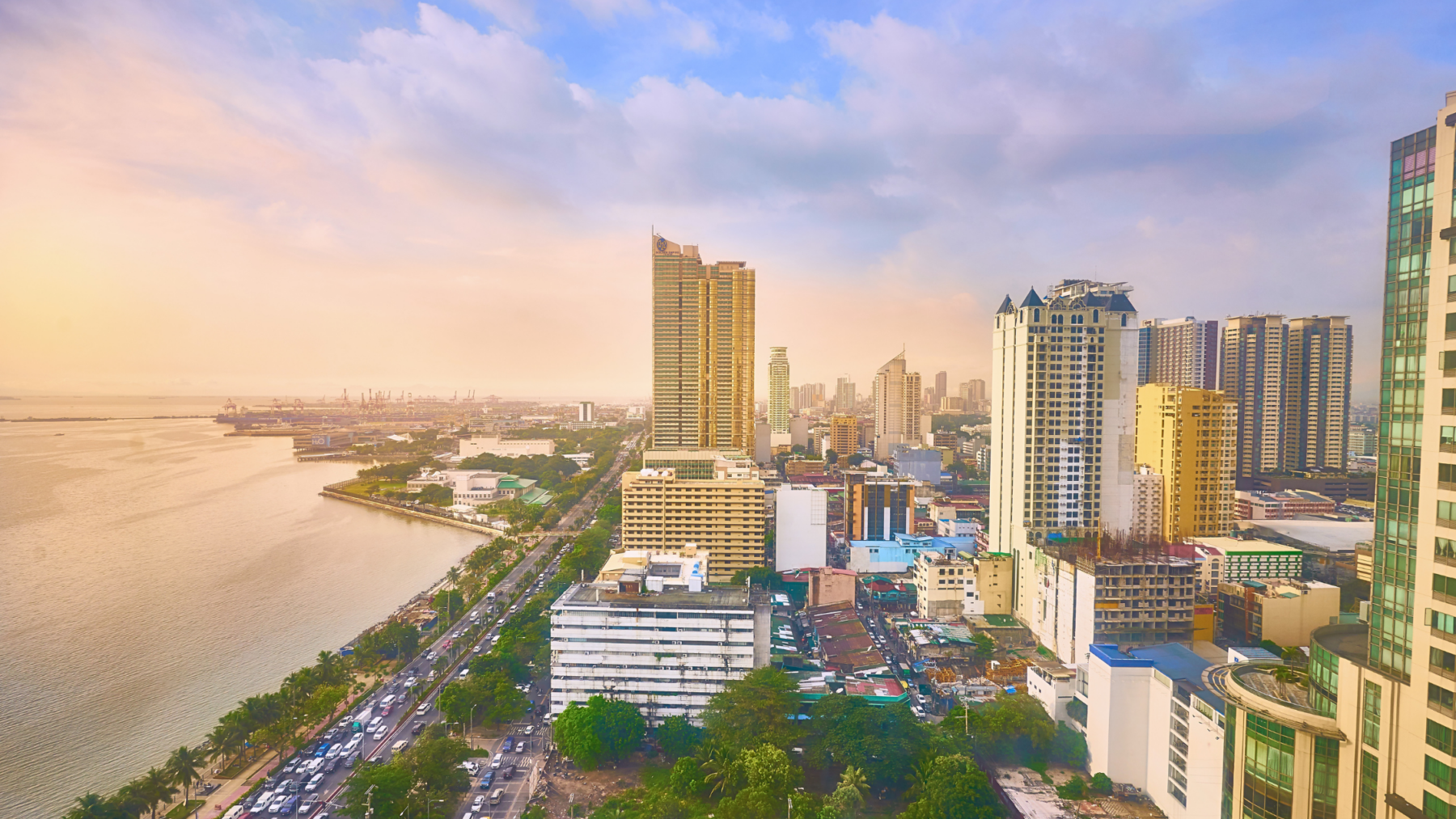
Manila Baywalk The 2.5‑kilometer Roxas Boulevard promenade was once notorious for crime and pollution. Its transformation into a functioning public space is one of the more successful urban interventions in recent Philippine history. Every evening between 5:30 pm and 7:30 pm, the bay fills with color: not just the famous sunset, but layered lights of the skyline, passing ships, and hundreds of food vendors. After 7:30 pm, crowds thin and the mood shifts to young‑couple territory.
Insight: The wealthy sit in air‑conditioned restaurants. The middle class walk the promenade. The working class occupy the seawall benches. Everyone watches the same sunset. Class boundaries soften without disappearing.
Manila Bay at golden hour. The dramatic contrast between the calm waters and the dense, chaotic skyline perfectly captures Manila’s dual personality.
SM Mall of Asia Complex: Modern Manila’s Front Door
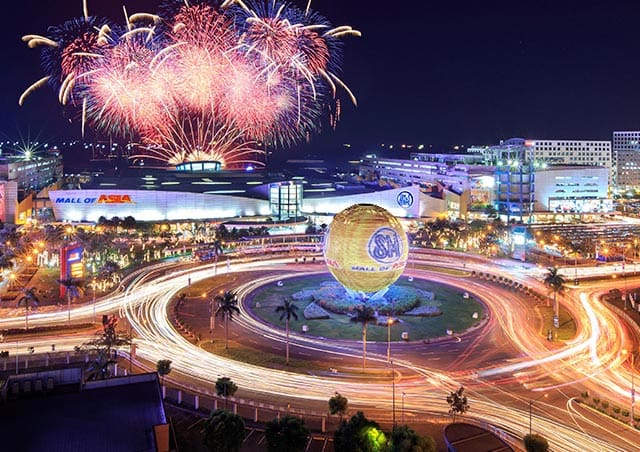
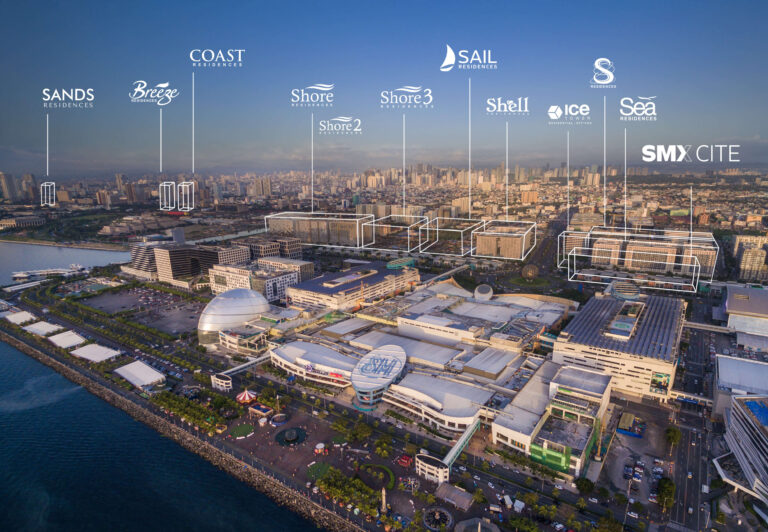
SM Mall of Asia (MOA) The third largest mall in the Philippines and tenth in the world by gross area. It features an Olympic‑sized ice skating rink, an IMAX theatre, an indoor arena (MOA Arena), and a convention center (SMX). This is not just shopping. It is a self‑contained city district on reclaimed land with its own transport hub.
MOA Eye A 180‑foot Ferris wheel at the bayfront. The most reliable romantic sunset move in Manila. Ride it between 5:45 pm and 6:15 pm for the transition from daylight to city lights. Tickets are under ₱200.
SM By The Bay Weekend live music, street performers, food trucks, and open promenades. This is where provincial Filipinos come to experience “modern Manila.” The air‑conditioning, international brands, and sheer scale function as status consumption. For many visitors from outside Metro Manila, a full day here is the trip’s highlight.
MOA is so massive you could spend two days there and still need a map and a snack break to find your way back to the parking lot.
The SM Mall of Asia complex: self‑contained city district with arena, convention center, ice rink, and bayfront promenade.
Manila Ocean Park
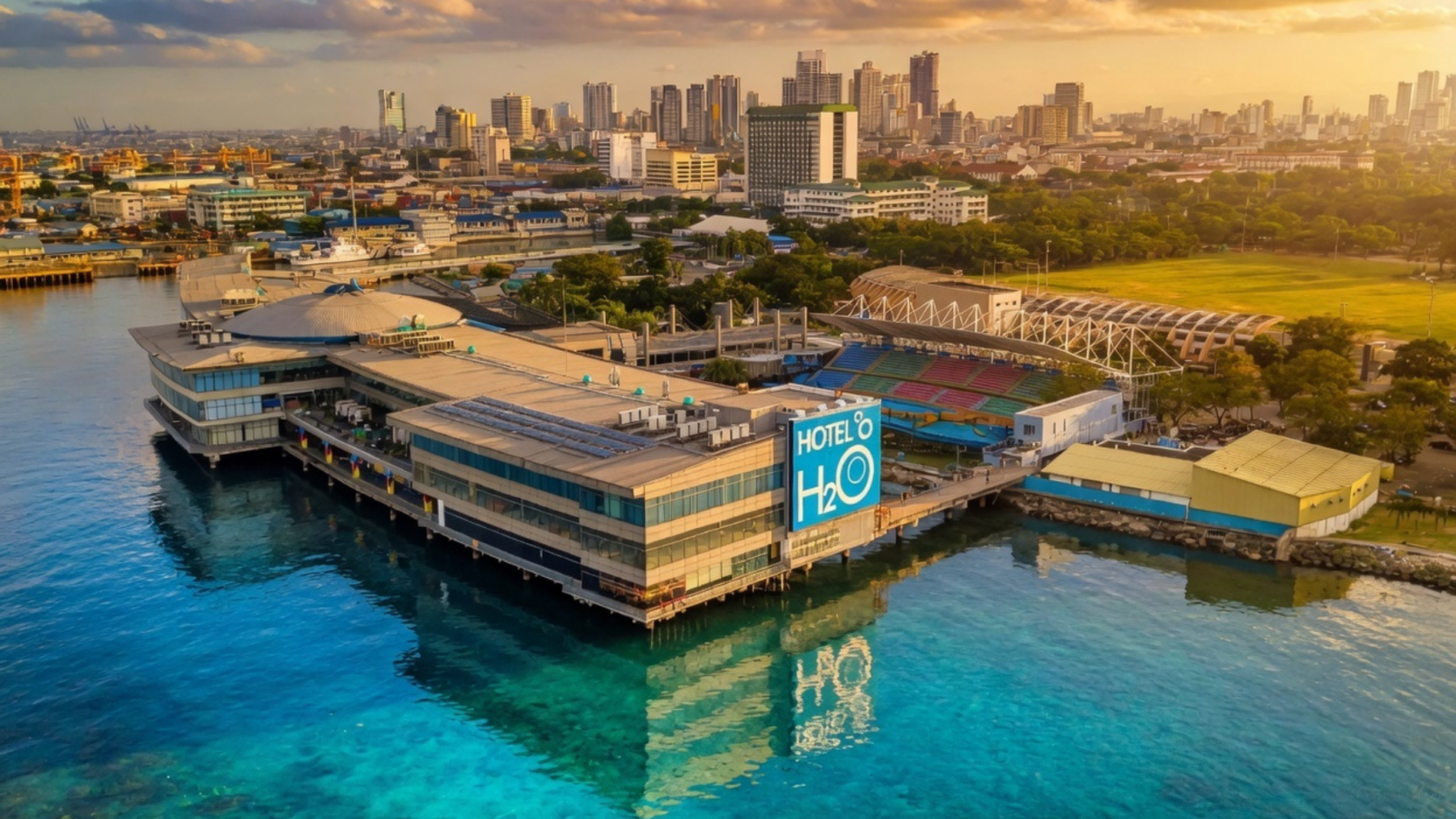
A clean, air‑conditioned aquarium with a 25‑meter acrylic underwater tunnel, a large collection of marine animals, and regular shows. It is the strongest family‑oriented attraction in central Manila and one of the few places where children can engage with science without leaving the city.
The Oceanarium is home to 14,000 marine creatures from around 277 species, all indigenous to the Philippines and Southeast Asia.
Peak hours are 10 am to 2 pm on weekends. Weekday mornings are noticeably quieter and better for photography. Avoid the “extra” add‑ons unless you have young children. Expect to spend at least 3 hours exploring all the attractions.
Hotel H2O at Manila Ocean Park. This waterfront landmark sits directly on the bay and serves as both a hotel and gateway to the ocean park attractions.
Entertainment Districts: Star City & City of Dreams
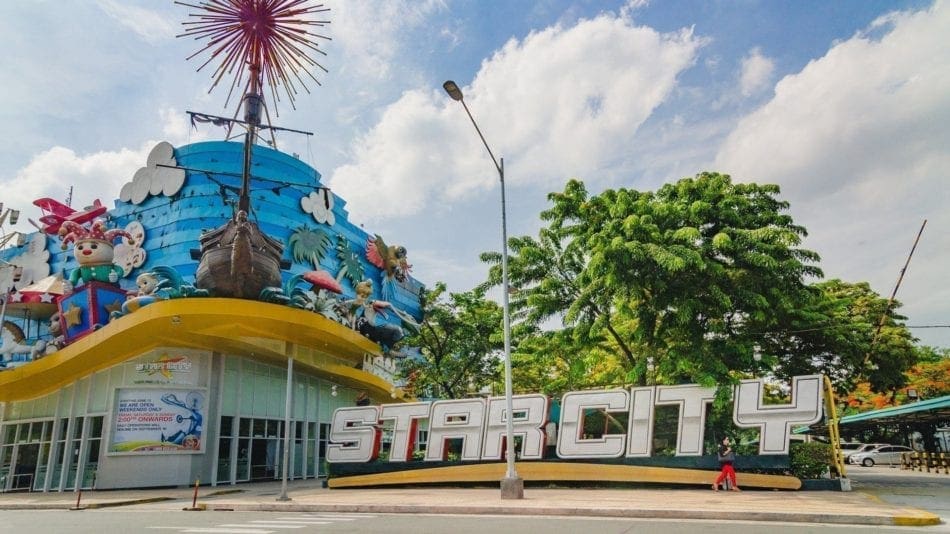
Star City remains the classic Filipino amusement park. Mid-tier rides, strong family focus, and significantly more affordable than Enchanted Kingdom. Go on a weekday evening for shorter queues. Admission is pay‑per‑ride or a single pas. Do not expect luxury. Expect children running everywhere and loud videoke music from nearby stalls.
City of Dreams Manila is the higher-end integrated resort with casino, multiple hotels, and upscale dining. It sits just five minutes from the airport with free shuttles to major malls.
The casino requires a passport for entry and enforces a dress code (no shorts, no slippers, no sleeveless shirts for men). Even if you do not gamble, the architecture and people‑watching are worth a brief visit.
Star City: where Manila’s middle class takes its kids for cheap thrills and loud nostalgia.
Palaces of Power: Malacañang & Coconut Palace
These two sites reveal how the Philippine elite has historically presented itself.
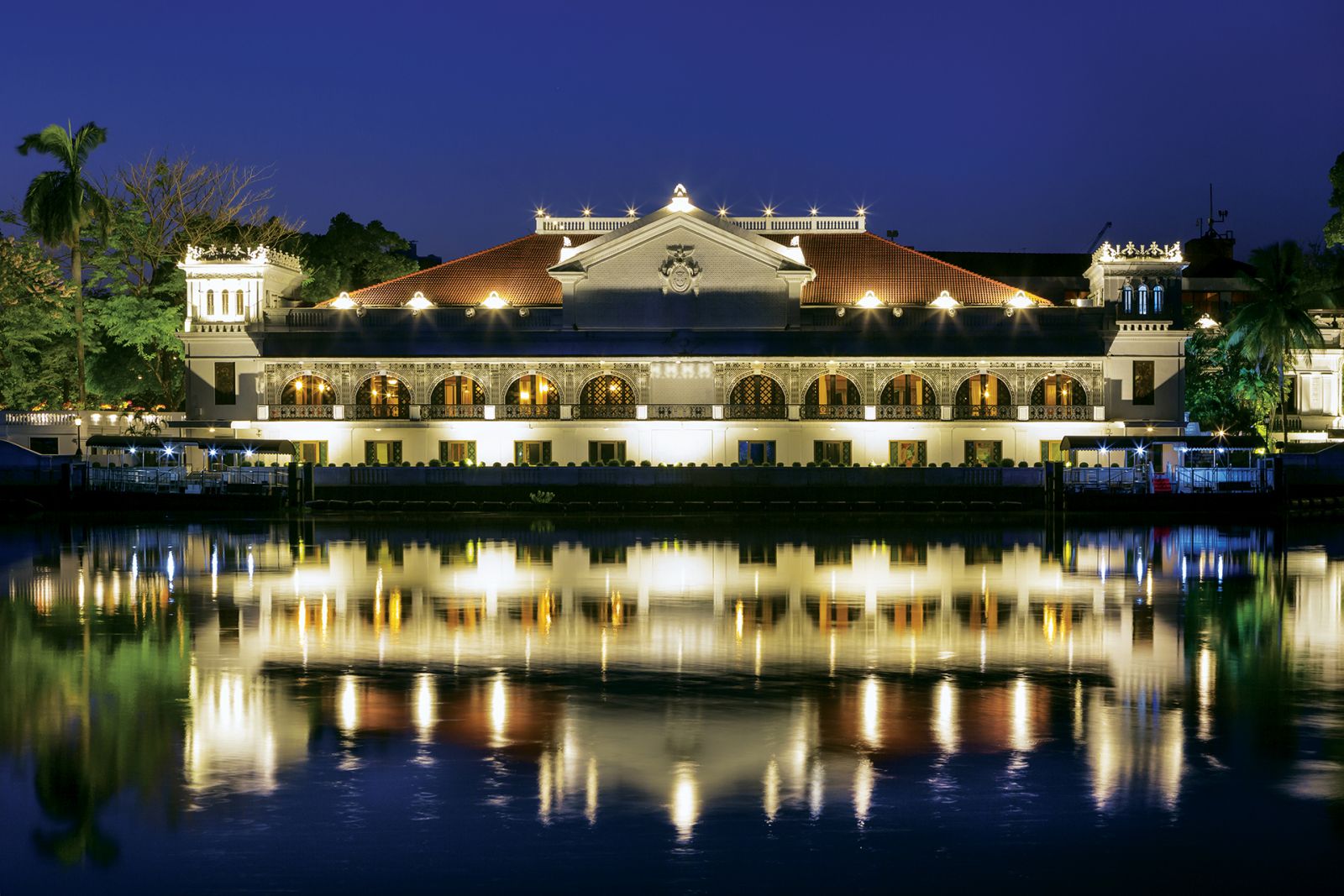
Malacañang Palace — Official residence of the President since 1863. Guided tours walk visitors through the evolution of executive power. book well in advance through the palace’s official tour office. No photography inside. Allow two hours.
Coconut Palace — Built in 1978–1981 as a showcase of Philippine materials and craftsmanship. Now the official residence of the Vice President resident. The Vice President’s residence. Tours are possible but inconsistent. Check availability before going.
Both reward visitors who understand they are viewing the physical expression of political legitimacy.
Malacañang Palace at night. The official residence of the President since 1863, one of the most powerful visual symbols of the nation’s political history.
Markets and Street Life: Divisoria and Binondo
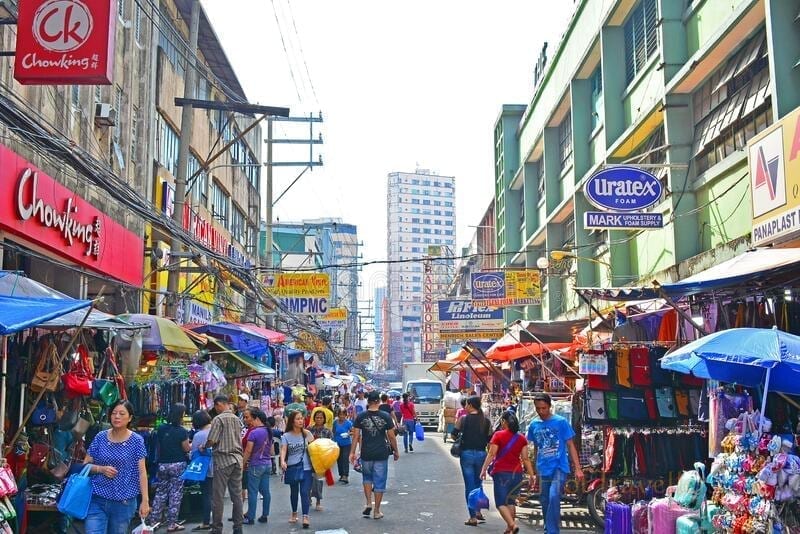
Divisoria Market The wholesale heart of Manila. The 168 Shopping Mall and surrounding streets move an astonishing volume of goods at prices that make visitors from high‑income countries stare. This is not tourist shopping. It is where sari‑sari store owners, small retailers, and event organizers source inventory. Go early, between 7 and 10 am, to see the market at full intensity. By 11 am it becomes overwhelmingly crowded and disorienting. Keep your wallet in a front pocket.
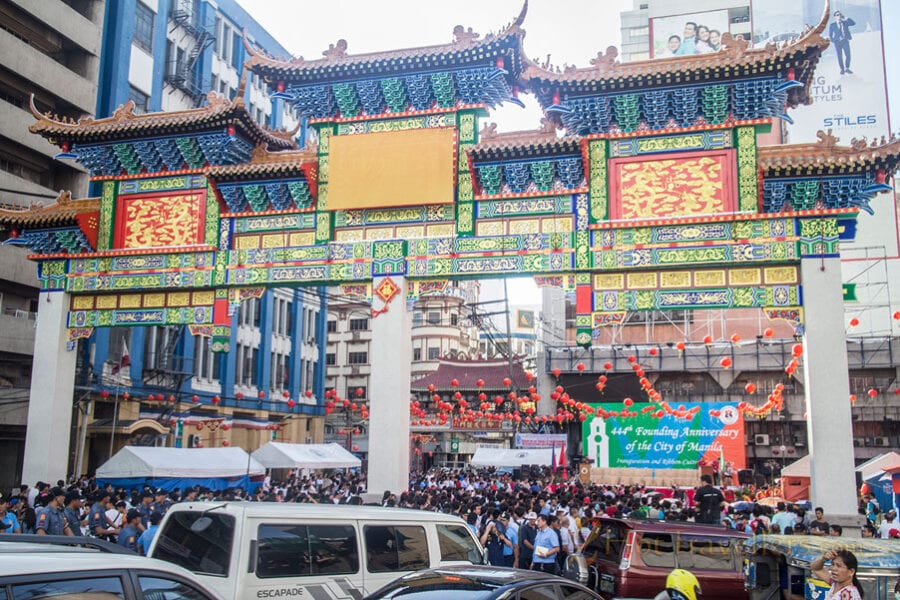
Binondo (Chinatown) The oldest Chinatown in the world, operating continuously since the 1590s. Walk it or take a jeepney between old temples, gold shops, and food stalls. The district is noisy, dense, and commercially aggressive, exactly as it has been for four centuries. Best experienced on foot with a full morning. Try the hopia (bean filled pastry) at Eng Bee Tin. Do not drive into Binondo. Park at a nearby mall and walk.
Divisoria Market. The wholesale heart of Manila where locals source everything from clothes to household goods at the lowest prices in the city
The oldest Chinatown in the world, continuously operating since the 1590s, commercially aggressive district that has remained unchanged in spirit for over four centuries.
Quiet Gems: Paco Park and Pasig Rainforest Park
Paco Park Originally a 19th‑century cemetery, now a peaceful circular garden where José Rizal was first buried after his execution in 1896. The wall niches are still visible. On weekends it fills with local families and amateur photographers. It offers one of the calmest atmospheres in central Manila, an excellent place to sit and process the intensity of the rest of the city. Free entry. Best in late afternoon.
Pasig Rainforest Park A small protected forest along the Pasig River, often overlooked by tourists. It is not a major attraction, but it provides a genuine quiet zone for locals who know where to escape the concrete. A short nature trail, a river view, and a surprising absence of crowds. Go only in daylight. Combine with a visit to the nearby St. John the Baptist Church in Pinaglabanan. Where This Leads →RAVE Pasig Rainforest Park
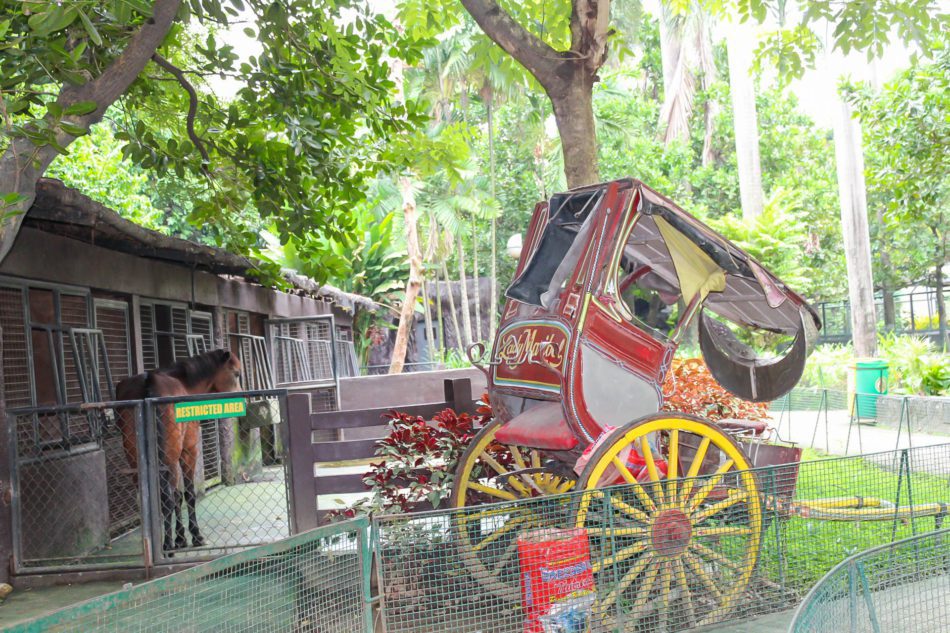
RAVE Kalesa
My Observation & What Most Miss
Manila does not owe you a good time. That expectation comes from a tourist mindset trained on cities that perform for foreign comfort. Manila does not perform. It functions.
The friction you feel (heat, traffic, noise, stares) is not failure. It is the city operating for 14 million residents. The question is not whether Manila meets your standards. It is whether you can adjust your standards to meet Manila.
Most people cannot. They leave calling it “chaos.” A few return home with a quieter realization: their discomfort was not a problem to solve, but a signal that their old way of moving through the world stopped working.
Two questions most visitors never ask themselves:
Are you collecting photos or decoding a system?
What happens when you stop looking for entertainment and start watching power, memory, and class perform themselves in real time?
The tick‑box tourist sees Fort Santiago as a photo op. The paying attention visitor sees a dungeon where 600 people were executed and a nation still rehearsing its trauma. The first person congratulates themselves on “surviving Manila.” The second person understands why the city refuses to be a theme park.
For the practical mechanics of moving between these sites (traffic patterns, transport options, timing), see our companion guide: Getting Around Manila.
📥 Want a deeper cultural navigation blueprint? Our Manila First‑Timer Toolkit (PDF, 47 protocols) covers everything from saying “no” politely to handling institutional friction. $9 – Download here.
If something in this article stayed with you, you’ve only seen one layer. There are others, quieter and more consistent in how they shape what you notice and how you respond. Most of it is never explained, only repeated until it feels normal. The surface was never the point. The real question is whether you stop here, or begin seeing what has been shaping everything else all along.